
Juggling a demanding career, your own family, and the growing needs of an aging parent can feel overwhelming. You want to be there for them, but it’s impossible to be everywhere at once. This is a common challenge for so many adult children, and the solution often lies in finding professional, trustworthy support. A full time home health aide is a dedicated professional who provides the consistent, one-on-one care your loved one deserves. They handle the day-to-day responsibilities—from personal care and meal prep to companionship—allowing you to focus on spending quality time with your parent, confident that their daily needs are in capable hands.
Key Takeaways
- It’s a role of comprehensive support: A home health aide provides a full spectrum of care, from personal assistance and health monitoring to household tasks and companionship, ensuring your loved one’s total well-being at home.
- The right caregiver has both skill and compassion: Look for a professional who combines formal training in safety and personal care with essential soft skills like patience and empathy to build a trusting, supportive relationship.
- Understand the different types of caregivers: Knowing the distinction between a Home Health Aide (HHA), a Personal Care Assistant (PCA), and a Certified Nursing Assistant (CNA) helps you choose the correct level of support for your family’s specific needs.
What Does a Full-Time Home Health Aide Do?
A full-time home health aide (HHA) is a dedicated professional who provides essential support to help seniors live safely and comfortably in their own homes. More than just a caregiver, an HHA becomes a trusted partner in daily life, handling a wide range of tasks that support a person’s physical and emotional well-being. Their role is incredibly versatile, adapting to the unique needs of each individual they care for. From assisting with personal routines to managing the household and offering a friendly ear, a home health aide ensures your loved one receives consistent, compassionate, and comprehensive support right where they feel most at ease.
Providing Personal Care
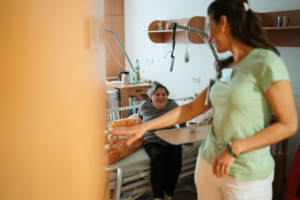
One of the primary responsibilities of a home health aide is to assist with personal care and activities of daily living (ADLs). This hands-on support helps seniors maintain their personal hygiene and dignity, which is fundamental to their overall quality of life. An aide can provide respectful assistance with tasks like bathing, dressing, grooming, and using the restroom. For individuals with mobility challenges, this support is crucial for safety and comfort. By handling these sensitive tasks with professionalism and compassion, a home caregiver helps your loved one feel confident and cared for while continuing to live independently at home.
Monitoring Health and Wellness
While not medical professionals, home health aides play a key role in monitoring a client’s health. They are trained to observe and report any changes in physical or mental condition to the family and supervising nurse. This can include checking vital signs like temperature and blood pressure, reminding clients to take their medications on schedule, and assisting with prescribed exercises. This consistent oversight is especially important for those managing chronic conditions or recovering from an illness. For clients with specific needs, such as those requiring dementia and Alzheimer’s care, an aide’s watchful eye provides an essential layer of safety and proactive support.
Managing Household Tasks
Maintaining a clean, safe, and organized home is another area where a home health aide provides invaluable help. Their duties often include light housekeeping tasks such as laundry, tidying up living spaces, and washing dishes. They also assist with meal planning and preparation, ensuring your loved one receives nutritious and enjoyable meals tailored to their dietary needs and preferences. By managing these daily chores, an aide helps create a comfortable and stress-free environment. This support not only makes life easier for the senior but also contributes significantly to injury and fall prevention by keeping the home clear of hazards.
Offering Companionship and Support
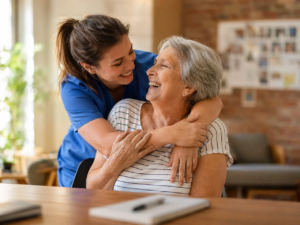
Beyond the physical tasks, a home health aide offers something just as important: companionship. Loneliness and social isolation can have a significant impact on a senior’s mental and emotional health. An aide provides a friendly, familiar face for daily conversation, sharing hobbies, playing games, or going for walks. This consistent social interaction can brighten their day and keep them mentally engaged. This aspect of companion care also provides immense peace of mind for family members, knowing their loved one has a trusted companion by their side, reducing stress for everyone involved.
What Qualifications Do You Need to Become a Home Health Aide?
Becoming a home health aide is a path that blends compassion with practical skills. While the role is incredibly accessible, it requires a solid foundation of training and personal integrity to provide the best possible care. Think of it less as a list of checkboxes and more as a commitment to being a trustworthy and capable presence in someone’s home. Reputable agencies look for dedicated individuals who are not only qualified on paper but also have a genuine desire to support others. If you’re considering this career, here’s a clear look at the qualifications you’ll need to get started and build a career you can be proud of.
Meeting Education Requirements
You don’t need a college degree to become a home health aide, which makes it a great career choice for many people. Most agencies and positions will ask for a high school diploma or a GED as a baseline educational requirement. This shows you have a foundational level of learning and commitment. While some employers might be flexible, having that diploma in hand will open up more opportunities for you. The focus in this field is less on advanced academics and more on your ability to learn practical skills, communicate effectively, and show empathy—qualities that can’t always be measured by a transcript.
Completing State-Required Training and Certification
This is where you’ll build the essential, hands-on skills for the job. Most home health aides receive on-the-job training that covers everything from personal hygiene and checking vital signs to basic nutrition and infection control. If you plan to work for a certified home health agency that receives federal funding, you’ll need to complete a formal training program. These programs typically require between 75 and 120 hours of instruction and conclude with a competency exam. This ensures all home caregivers meet a consistent standard of excellence and are fully prepared to handle their clients’ needs safely and professionally.
Passing Background and Health Screenings
Trust is the cornerstone of home care, so expect to complete a few important screenings before you start. Nearly all states and agencies require a thorough criminal background check to ensure the safety and well-being of clients. This is a non-negotiable step that protects vulnerable adults and gives families peace of mind. You will also likely need to pass a health screening, which may include a physical exam and tests for communicable diseases. These measures are standard practice in the healthcare industry and demonstrate a professional commitment to providing safe and responsible senior care.
How Much Can You Earn as a Full-Time Home Health Aide?
Choosing a career is a big decision, and compensation is a huge part of that. As a full-time home health aide, your earnings can provide a stable foundation, but it’s helpful to know that your salary isn’t just one fixed number. It can vary based on where you work, your experience, and the type of care you provide. Let’s break down what you can expect to earn and the factors that play a role in your pay.
Understanding Average Salaries
On average, a full-time home health aide in the U.S. earns around $34,990 per year, which comes out to about $16.82 an hour. Think of this as a baseline. It’s a solid starting point for understanding the financial landscape of the role. Depending on where you live and work, this number can be higher or lower. It’s always a good idea to research the typical pay rates in your specific city or state to get a more accurate picture of what to expect as you begin your job search.
What Factors Influence Your Pay?
Your salary isn’t set in stone. Several key factors can influence how much you earn. Location is a big one; states like Washington, Oregon, and Massachusetts often have higher pay rates due to demand. Your level of experience also matters—the more skilled you become, the more valuable you are. The agency you work for plays a role, too. Furthermore, the complexity of care you provide can impact your earnings. For instance, providing specialized dementia and Alzheimer’s care often requires advanced skills and can lead to higher compensation. It’s all about the unique value you bring to your clients.
Exploring Benefits and Job Security
Beyond your hourly wage, it’s important to consider the full picture, including benefits and job security. The great news is that the job outlook for home health aides is incredibly strong. The field is expected to grow by 17% over the next decade, which is much faster than the average for all other jobs. This growth is driven by the increasing need for in-home care, meaning you can count on a high degree of job security. When you’re interviewing with agencies, be sure to ask about their benefits packages, which can include health insurance, paid time off, and retirement plans, adding significant value to your overall compensation.
What Is the Job Outlook for Home Health Aides?
If you’re looking for a career with long-term stability and a positive future, you’re in the right place. The field of home health care is not just growing; it’s expanding rapidly, creating a wealth of opportunities for compassionate and dedicated individuals. This isn’t a temporary trend—it’s a fundamental shift in how we approach senior care, driven by an aging population that prefers the comfort and dignity of staying in their own homes. For those entering the field, this means strong job security and clear pathways for professional growth.
A Look at the Growing Demand
The need for skilled home health aides is surging. As the baby boomer generation ages, more families are seeking professional in-home support for their loved ones. The U.S. Bureau of Labor Statistics projects that jobs for home health and personal care aides will grow by 17% over the next decade, which is much faster than the average for all other occupations. This translates to roughly 765,800 job openings expected each year. This high demand means that qualified aides are incredibly valuable, giving you more choices and stability in your career.
Opportunities for Career Advancement
Working as a home health aide is often the first step in a long and rewarding healthcare career. While it’s a fulfilling role on its own, it also provides invaluable hands-on experience that can open doors to other medical professions. Many aides use this position as a foundation to pursue further education and certifications. In fact, this career can be a great starting point for becoming a Registered Nurse (RN), a Licensed Practical Nurse (LPN), or even a case manager or social worker. With additional training, you can specialize in areas like dementia care or post-surgery support, increasing both your skills and your earning potential.
How Do Home Health Aides Differ from Other Caregivers?
When you start looking for in-home support for a loved one, you’ll quickly notice there are many different titles for caregivers. It can be confusing, but understanding the distinctions between roles like Home Health Aide (HHA), Certified Nursing Assistant (CNA), and Personal Care Assistant (PCA) is key to finding the right level of support. Each role comes with different training, responsibilities, and skills.
While all these professionals share the goal of helping people live safely and comfortably, their duties can vary significantly. One might focus on companionship and household tasks, while another is trained to monitor vital signs and assist with basic medical needs. Knowing what sets them apart will help you make an informed decision and ensure your family member receives the exact care they need to thrive at home. Let’s break down the main differences.
HHA vs. Certified Nursing Assistant (CNA)
At first glance, HHAs and CNAs seem very similar, as both help people who can’t fully care for themselves. The main difference lies in their training and the focus of their work. CNAs typically undergo more extensive, state-approved training that is medically focused. They learn about anatomy, infection control, and patient care in a clinical context. Because of this, you’ll often find CNAs working in hospitals and nursing homes, where they handle medical equipment and closely monitor a patient’s health.
An HHA, on the other hand, specializes in providing care within a person’s home. Their training centers on personal care, comfort, and assistance with daily living tasks like bathing, meal prep, and light housekeeping. While they can perform some basic health-related tasks, their primary role is to support a client’s well-being and independence in a familiar, non-clinical environment.
HHA vs. Personal Care Assistant (PCA)
The line between a Home Health Aide and a Personal Care Assistant (often called a caregiver or companion) is defined by medical training. A PCA provides essential non-medical support. Their focus is on companion care, helping with daily activities like dressing, meal preparation, running errands, and providing a friendly, supportive presence. They are a wonderful option for seniors who need help around the house and want to avoid social isolation but don’t have significant health concerns.
A certified HHA can do everything a PCA does, but they also have the training to provide basic medical support. This includes tasks like monitoring vital signs, assisting with medication reminders, and providing care for clients with specific health conditions. If your loved one needs more than just companionship and help with daily tasks, an HHA offers that next level of skilled support.
Key Differences in Duties and Work Settings
The work environment is a major differentiator between these roles. CNAs are most often found in clinical settings like hospitals, rehabilitation centers, and nursing homes. PCAs and HHAs, as their names suggest, primarily work in a client’s private residence, providing one-on-one support. This allows them to build a strong, personal relationship with the individual they care for. Our certified home caregivers are dedicated to creating a safe and nurturing atmosphere right at home.
The job itself can be physically and emotionally demanding, requiring a great deal of patience, empathy, and resilience. Whether it’s helping someone move safely around their home or offering a listening ear, these professionals are dedicated to improving their clients’ quality of life. This is especially true for those providing 24/7 around-the-clock care, which requires a unique commitment to a client’s continuous well-being.
What Are the Working Conditions Like?
Being a home health aide means your workplace isn’t a typical office or clinical setting. It’s someone’s home—a space filled with personal history, routines, and memories. This unique environment shapes every part of the job, from your daily schedule to the relationships you build with clients and their families. Understanding the environment and the demands of the role is key to finding fulfillment and success as a caregiver. It’s a career that asks for a lot of heart and resilience, but it also offers the profound reward of making a direct, positive impact on someone’s life every single day. This work requires a unique blend of professionalism and compassion, as you become a trusted, supportive presence in a client’s personal space.
A Typical Work Schedule
As a home health aide, your schedule is built entirely around your client’s needs, so flexibility is essential. While many aides work full-time, part-time positions are also common, with schedules that can include evenings, weekends, and holidays. Some clients may need assistance for just a few hours each day, while others require more comprehensive support. For example, clients who need continuous supervision and assistance rely on 24/7 around-the-clock care, which often involves working in shifts to ensure someone is always there. Being open about your availability allows your agency to match you with a client whose needs align with your schedule.
The Physical and Emotional Demands of the Job
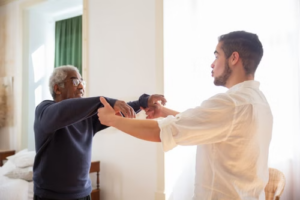
This role is both physically and emotionally demanding, and it’s important to be prepared for that. Physically, you might assist clients with mobility, which can involve helping them move from a bed to a chair or supporting them as they walk. A crucial part of the job is creating a safe environment that focuses on injury and fall prevention. Emotionally, you will be supporting individuals who may be dealing with illness, loneliness, or cognitive challenges. Providing compassionate Dementia & Alzheimer’s Care requires immense patience and empathy, but helping your client feel safe and understood is one of the most rewarding parts of the job.
What to Expect in the Work Environment
Your primary work environment is the client’s home. This isn’t a sterile hospital room; it’s a living space where you are both a guest and a professional caregiver. Your role is to respect their home and privacy while providing the highest standard of care. You’ll often work independently, so self-motivation and strong problem-solving skills are essential. The ultimate goal is to help clients maintain their independence and quality of life in the place where they are most comfortable. The one-on-one nature of the work allows you to build a strong, trusting relationship, making the care you provide deeply personal and impactful.
What Skills Lead to Success as a Home Health Aide?
Being an exceptional home health aide goes far beyond simply checking tasks off a list. While technical abilities are certainly important, the most successful caregivers are those who blend practical skills with a genuine sense of empathy and strong interpersonal abilities. It’s a role that requires a unique combination of heart and know-how. Success isn’t just about what you do; it’s about how you make someone feel. The right skills ensure that clients not only receive the physical support they need but also feel respected, safe, and understood in their own homes. This balance is what transforms standard care into a truly supportive partnership for seniors and their families.
The Soft Skills You’ll Need to Succeed
To truly connect with clients and provide outstanding care, you’ll need a strong set of soft skills. Compassion is at the top of the list—the ability to empathize with what a client is going through is the foundation of a trusting relationship. Patience is just as critical, especially when assisting individuals who may be dealing with cognitive decline or physical limitations. The job also requires physical stamina for tasks like helping clients with mobility.
Beyond that, great aides are excellent problem-solvers who can adapt to unexpected situations with a calm and reassuring attitude. Strong time management helps you balance various responsibilities without ever making a client feel rushed. These qualities are the bedrock of excellent companion care, ensuring your presence is a source of comfort and stability.
Essential Technical Skills
While soft skills build relationships, technical skills ensure a client’s health and safety. Most professional agencies provide comprehensive on-the-job training that covers the fundamentals of caregiving. This includes learning how to properly assist with personal hygiene, check vital signs like blood pressure and temperature, and follow protocols to prevent infections. You’ll also learn about basic nutrition and how to prepare meals that meet a client’s specific dietary needs.
For caregivers working with certified agencies, formal training and passing a state-approved test are often required. This ensures you are fully prepared to handle a wide range of situations and provide a high standard of care. These skills are especially vital when providing specialized support, such as dementia and Alzheimer’s care, where specific techniques are needed to manage symptoms and ensure safety.
Mastering Communication and Interpersonal Skills
Effective communication is the glue that holds everything together. As a home health aide, you need to be an attentive listener to understand a client’s needs, preferences, and concerns. You also need to communicate clearly and respectfully, whether you’re explaining a care task or simply having a conversation. This skill extends to interacting with the client’s family and other healthcare professionals, ensuring everyone is on the same page about the care plan.
Building a strong, trusting relationship is the ultimate goal. When clients trust you, they feel more comfortable and secure. This positive connection is essential for their emotional well-being and can significantly improve their overall quality of life. Professional home caregivers understand that these interpersonal skills are just as important as any technical task they perform throughout the day.
What Are the Common Challenges of the Role?
Being a home health aide is an incredibly fulfilling career, but it’s also one that comes with its own unique set of challenges. The work is deeply personal, and the most successful aides are those who come prepared for the realities of the job. Understanding these hurdles ahead of time allows you to develop strategies to manage them effectively, ensuring you can provide the best possible care while also taking care of yourself. The main challenges you’ll encounter fall into three key areas: the physical demands of the job, the emotional investment it requires, and the constant effort to maintain a healthy work-life balance. Facing these challenges with awareness is the key to a long and rewarding career in home care.
Managing Physical Demands
This is not a desk job. The role of a home health aide is physically active and requires a good amount of stamina. Your day will involve a lot of standing, walking, bending, and lifting as you help clients with mobility, bathing, and light household chores. These tasks are essential for your client’s well-being and independence. To protect your own health, it’s crucial to use proper body mechanics, especially when lifting or providing mobility support. This not only prevents injury to yourself but also ensures you can provide safe and effective injury and fall prevention for your clients.
Handling Emotional Strain
Caring for someone in their home creates a strong, personal connection. While this bond is one of the most rewarding parts of the job, it can also be emotionally taxing. You’ll be supporting clients through good days and bad, and they may sometimes be confused or upset due to their health conditions. Providing compassionate dementia and Alzheimer’s care, for example, requires immense patience and emotional resilience. It’s important to develop healthy coping mechanisms and recognize the signs of burnout. Having a strong support system gives you a safe space to share your experiences and recharge your emotional batteries.
Finding a Healthy Work-Life Balance
When you care deeply about your clients, it can be difficult to leave work at the door, especially in a live-in care setting. Establishing clear boundaries is essential for maintaining your own well-being and preventing caregiver burnout. You have to prioritize your own rest and personal time so you can show up for your clients as your best self. Remember that you can’t do it alone. Leaning on your support network and making time for hobbies are not luxuries—they are necessities. A healthy work-life balance ensures you have the energy needed to provide consistent, high-quality 24/7 around-the-clock care.
How Can You Prevent Burnout as a Caregiver?
Being a caregiver is one of the most meaningful careers you can have, but it’s also demanding. The emotional and physical investment required can lead to burnout if you don’t take active steps to protect your own well-being. It’s important to remember that burnout isn’t a sign of weakness or that you’re not cut out for the job. Instead, think of it as a signal from your body and mind that you need to recharge and rebalance. The good news is that burnout is preventable, and you have the power to keep it at bay.
You can manage stress and maintain your passion for this work by building healthy, sustainable habits into your daily routine. It’s not about making drastic changes overnight, but about incorporating small, consistent practices that add up over time. By focusing on practical stress management, prioritizing your own self-care, and leaning on a strong support system, you can build a long and fulfilling career while providing the compassionate care your clients deserve. These aren’t just nice ideas; they are essential tools for professional success and personal health in the caregiving field. Let’s look at how you can put these into practice.
Practice Stress Management Techniques
The daily challenges of caregiving can be stressful, which is why having go-to stress management techniques is so important. You don’t need an hour-long yoga class to feel the benefits. Simple practices like mindfulness and deep breathing exercises can be done in just a few minutes throughout your day—whether it’s before starting a shift or during a quiet moment. These techniques help ground you in the present and calm your nervous system, giving you the clarity needed to handle difficult situations with compassion. Making these small practices a consistent part of your routine can make a huge difference in your overall well-being.
Prioritize Your Own Self-Care
It’s easy to put the needs of others before your own in this line of work, but sustained caregiving requires you to be at your best. Prioritizing self-care means actively tending to your own physical, mental, and emotional health. This looks like scheduling and keeping your own doctor’s appointments, getting enough sleep, and eating nourishing meals. It also means learning to recognize your limits and setting healthy boundaries. Taking care of yourself isn’t selfish; it’s a professional necessity that allows you to provide the best possible care for your clients and build a long-lasting career by using strategies to prevent burnout.
Build a Strong Support Network
You should never feel like you’re handling the challenges of caregiving alone. Building a strong support network is essential for your emotional resilience. This network includes your friends and family, but it’s also incredibly helpful to connect with fellow home caregivers who understand your daily experiences. Sharing challenges and successes with peers can reduce feelings of isolation and provide fresh perspectives. A supportive employer will also foster a team environment where you feel heard and valued. Leaning on your network for encouragement and advice is a sign of strength and a key part of staying grounded in this rewarding field.
How to Start Your Career as a Home Health Aide
Ready to turn your passion for helping others into a fulfilling career? Becoming a home health aide is a straightforward process, but it requires dedication and the right preparation. By following a clear path, you can gain the skills and confidence needed to provide exceptional care and build a career you love. Here are the essential steps to get you started on your journey.
Find an Accredited Training Program
First things first, you’ll need to complete a state-approved training program. While requirements vary, most states mandate that you finish a program that includes a set number of training hours—often between 75 and 120. These courses are designed to give you a solid foundation in the essentials. You’ll learn everything from basic medical terminology and nutrition to how to properly take vital signs and use assistive devices safely.
These programs are your entry point into the field, equipping you with the practical skills to support clients with confidence. A quality training program ensures you’re prepared for the daily responsibilities of the job and ready to join a team of professional home caregivers.
Sharpen Your Job Search and Application
Once you have your certification, it’s time to find the right role. Home health aides work in a variety of settings, most commonly providing care for seniors or individuals with disabilities right in their own homes. One of the great things about this field is its accessibility; you often don’t need a high school diploma or previous work experience to get started.
As you search for openings, look for agencies that value their caregivers and offer a supportive team environment. When you write your application, highlight your training and any personal experiences that demonstrate your compassion and reliability. Focus on what makes you a great fit for providing one-on-one care.
Prepare for Your Interview
A successful interview is all about showing your understanding of the role and your genuine desire to help. Be ready to discuss why you want to be a home health aide and what skills you bring to the table. Interviewers will be looking for qualities like patience, empathy, strong communication, and good judgment. It’s also helpful to understand the differences between caregiving roles. For instance, an HHA focuses on in-home support, while a Certified Nursing Assistant (CNA) often works in a clinical facility and has more medical training.
Think about specific examples of how you’ve handled challenges or shown compassion in the past. This will help you demonstrate that you’re prepared for the unique needs of clients, including those who require specialized dementia and Alzheimer’s care.
Related Articles
- VA Homemaker Home Health Aide Handbook: Your Guide
- Your Guide to VA Homemaker & Home Health Aide Care
- Live-In Caregiver Duties and Responsibilities
Frequently Asked Questions
Do I need a medical background to become a home health aide? Not at all. While you will learn basic health monitoring skills, you don’t need any prior medical experience to start. The role is focused on providing personal support, assistance with daily activities, and companionship. Reputable agencies provide all the necessary training to ensure you are confident and capable of handling your responsibilities, from personal care routines to medication reminders.
What does a typical day actually look like for an HHA? There really is no “typical” day, as your schedule is tailored to your client’s specific needs. However, a day often begins with helping your client get up, dressed, and ready for the day. You might prepare breakfast, remind them to take their morning medications, and do some light housekeeping. The afternoon could involve running errands, accompanying them to an appointment, or simply sharing a conversation over a cup of tea. The focus is always on providing consistent support and companionship that makes their day safer and more enjoyable.
Is being a home health aide a good stepping stone to becoming a nurse? Absolutely. Many people find that working as a home health aide is the perfect foundation for a nursing career. You gain invaluable hands-on experience in a real-world care setting and develop the essential soft skills, like compassion and patience, that are crucial for any healthcare role. The daily interactions and responsibilities give you a clear understanding of patient needs, which can be a huge advantage when you decide to pursue further education for a nursing degree.
How do you handle difficult situations, like a client who is confused or uncooperative? Patience and compassion are your most important tools in these moments. Professional training, especially for dementia care, provides specific techniques for redirecting and de-escalating challenging situations. The key is to remain calm, speak clearly, and offer reassurance rather than arguing. It’s about understanding the root cause of their behavior—often fear or confusion—and responding with empathy to help them feel safe and supported.
Can I choose to work with specific types of clients, like veterans or those recovering from surgery? Yes, there is often an opportunity to work with clients who have specific needs that match your skills and interests. Agencies work hard to create a good match between caregivers and clients. If you have a particular passion for helping veterans or enjoy the focused nature of post-surgery care, you can express that preference. Specializing in a certain area of care can make your work even more rewarding and allows you to build deep expertise.