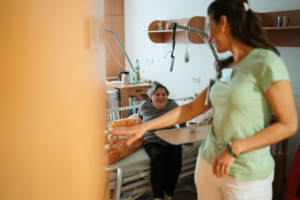

Planning for long-term care often brings up financial concerns, as the cost of quality support can be substantial. For veterans and their families, there are earned benefits that can significantly ease this burden. The VA Homemaker and Home Health Aide Care program is a key resource that provides funding for professional caregivers to assist with daily living, often with little to no out-of-pocket cost for eligible veterans. This allows you to arrange for compassionate, reliable support without depleting your savings. In this guide, we’ll break down the financial aspects of the program, explaining what’s covered, how copayments work, and how it can create a sustainable care plan for your family.
Need Help Accessing VA Home Care Benefits?
Our team helps veterans and their families understand and access Homemaker and Home Health Aide services, ensuring the right care and support at home.
- Guidance on VA benefits
- Personalized care planning
- Support for daily living needs
Key Takeaways
- Receive comprehensive in-home support: This VA program provides a wide range of non-medical services, from personal care and meal preparation to companionship, all designed to help veterans maintain their independence and quality of life at home.
- Focus on clinical need for eligibility: Qualification is primarily based on a documented need for help with daily activities, not necessarily a service-connected disability. A VA assessment is the key to determining your eligibility for this support.
- Partner with the VA and a trusted provider: The process is straightforward: start with a VA assessment to create a personalized care plan, then choose a VA-approved local agency to deliver consistent, professional care in your home.
What Is the VA Homemaker and Home Health Aide Program?
The VA offers a fantastic program designed to help veterans live safely and comfortably in their own homes. It’s called the Homemaker and Home Health Aide (H/HHA) Program, and it provides hands-on support for those who need a little extra help with daily activities. Think of it as a way for the VA to bring compassionate care directly to your doorstep. This program is a key part of the VA’s commitment to helping veterans maintain their independence for as long as possible. Let’s break down exactly how it works and what it means for you and your family.
How It Works and Who It Helps
At its core, the Homemaker and Home Health Aide Program connects veterans with trained and qualified caregivers. These professionals come to a veteran’s home to assist with daily tasks that may have become difficult due to age, illness, or injury. The primary goal is to help veterans continue living independently in a familiar, comfortable setting. This program is specifically for those who need support with activities of daily living, like getting dressed or preparing meals. It’s a practical solution that provides reliable home care for veterans, ensuring they receive the personalized attention they need right where they want to be—at home.
Key Benefits for Veterans
One of the biggest advantages of this program is the peace of mind it offers, not just for the veteran but for the entire family. Knowing a trusted professional is there to help can relieve a great deal of stress for family caregivers, giving them a much-needed break. This support makes it possible for many veterans to avoid or delay moving into a nursing home, allowing them to age in place with dignity. By providing consistent, one-on-one assistance, the program helps maintain a high quality of life and ensures a safe home environment. It’s a compassionate alternative that prioritizes the veteran’s comfort and well-being.
Clearing Up Common Misconceptions
It’s easy to get the terms “Homemaker” and “Home Health Aide” mixed up, but they play distinct roles. A Homemaker focuses on household tasks—think light cleaning, doing laundry, running errands, and preparing meals. They also provide wonderful companion care, offering a friendly face and conversation. A Home Health Aide, on the other hand, can do all of that plus provide hands-on personal care. This includes help with bathing, dressing, grooming, and moving around safely. Understanding this difference is key to ensuring your loved one gets the exact level of support they need to thrive at home.
What Services Are Included?
The VA Homemaker and Home Health Aide program is designed to provide comprehensive support that touches on nearly every aspect of a veteran’s daily life. It’s not just about checking off a list of tasks; it’s about creating a supportive environment where veterans can live with dignity and comfort in their own homes. The services are flexible and tailored to individual needs, focusing on everything from personal routines to maintaining a safe and happy home. This approach ensures that care feels personal and respectful, addressing the unique challenges each veteran may face.
Think of it as a partnership. A professional caregiver comes into the home not to take over, but to assist in a way that empowers the veteran to maintain their independence for as long as possible. This program recognizes that well-being is multifaceted—it involves physical health, emotional connection, and a sense of security in one’s own space. The services are broken down into key areas to ensure every need is met thoughtfully. From hands-on help with daily routines to simply sharing a conversation, the goal is to provide holistic support that enhances quality of life. Let’s look at the four main pillars of care this program offers.
Personal Care
Personal care is all about helping with the essential activities of daily living, often called ADLs. A home health aide provides respectful, hands-on assistance with tasks like bathing, dressing, grooming, and using the toilet. This support ensures veterans can maintain their personal hygiene and feel their best every day. Aides also help with mobility, making it safer to move around the house, get in and out of bed, and perform prescribed exercises. This focus on safe movement is a key part of injury and fall prevention, giving both veterans and their families incredible peace of mind. The goal is to support independence while ensuring safety and well-being.
Homemaker Services
A clean, organized, and comfortable home environment plays a huge role in overall health. Homemaker services handle the practical tasks that can become difficult to manage alone. This includes light housekeeping, doing laundry, preparing nutritious meals, and washing dishes. An aide can also run errands like grocery shopping or picking up prescriptions, which is a core part of our personal concierge approach to care. By taking care of these household chores, homemaker services relieve a significant burden, allowing veterans to save their energy for the people and activities they enjoy most. It’s about making home a place of rest and relaxation, not a source of stress.
Health Support
While home health aides are not nurses, they provide vital health-related support under the supervision of a registered nurse. The RN assesses the veteran’s needs and creates a personalized care plan that the aide follows. The aide can help with medication reminders, monitor vital signs, and assist with medical equipment. They are trained to observe any changes in a veteran’s condition and report them to their supervisor, acting as an important set of eyes and ears in the home. Our certified home caregivers are trained to provide this exact level of attentive, non-medical support, ensuring that your loved one’s daily health needs are consistently met.
Companionship
Living at home can sometimes feel isolating, which is why companionship is such a fundamental part of this program. An aide offers more than just physical assistance; they provide a friendly face, a listening ear, and genuine emotional support. They can share in conversations, play games, read aloud, or simply be a comforting presence in the house. This consistent social interaction helps reduce feelings of loneliness and improves mental well-being. For family caregivers, this companion care provides much-needed respite, allowing them to take time for themselves with the confidence that their loved one is in good hands and enjoying meaningful company.
Do You Qualify for VA Home Health Care?
Figuring out eligibility for any benefit program can feel like a puzzle, but the VA’s requirements for home health care are more straightforward than you might think. The key is to understand the main criteria and how your personal circumstances fit in. Whether you’re planning for yourself or a loved one, knowing these details can help you access the support you’ve earned. It’s all about confirming a few key pieces of information with the VA to see if their Homemaker and Home Health Aide program is the right fit for your needs.
Core Eligibility Requirements
To get started, there are three fundamental requirements you’ll need to meet. First, you must be enrolled in the VA health care system. For most veterans who served on active duty and received an honorable discharge, this is a standard step. Second, you need to be eligible for community care services, which the VA uses when they can’t provide the specific care you need directly. Finally, a VA doctor or another VA clinician must determine that you need assistance with daily activities and write an order for home care. This assessment confirms that professional support is medically necessary for your health and well-being at home.
Service-Connected Conditions
If you have a disability or condition that was caused or made worse by your active-duty service, you have what’s called a service-connected condition. The VA prioritizes veterans with these conditions when it comes to providing care. Having a service-connected disability rating of 10% or more often comes with an added financial benefit: you typically won’t have to pay copays for your care. This can make a significant difference in managing the costs of long-term support, especially for specialized services like dementia and Alzheimer’s care. It’s the VA’s way of recognizing the direct impact your service has had on your health.
Non-Service-Connected Conditions
What if your need for care isn’t related to your military service? You shouldn’t assume you’re not eligible. Many veterans qualify for home health aide services based on a clear clinical need, even without a service-connected disability. The VA will assess your overall health and ability to handle daily tasks like bathing, dressing, and meal preparation. If they determine you need this support to live safely at home, you can still be approved for the program. The goal is to provide care to veterans who need it, so don’t hesitate to apply just because your condition isn’t officially linked to your time in the service.
How Priority Groups Work
The VA uses a system of “priority groups” to manage how it provides care to millions of veterans. Your assigned group is based on several factors, including your service-connected disability rating, income level, and other benefits you might be receiving, like Medicaid. This ranking helps determine how quickly you can get an appointment and what, if any, copayments you’ll have. For instance, veterans in the highest priority groups—such as those with a disability rating of 50% or more—generally do not pay copays for any of their care. Understanding your priority group can give you a clearer picture of your potential costs and help you plan for your 24/7 around-the-clock care.
Understanding the Costs and Coverage
Figuring out the financial side of home care can feel like a puzzle, but understanding how VA benefits work is the first step toward peace of mind. The VA offers significant support to help veterans live comfortably and safely at home. The key is knowing what the programs cover, what your potential out-of-pocket costs might be, and how to access additional financial assistance. This way, you can create a sustainable care plan that meets your loved one’s needs without adding unnecessary financial stress. Let’s break down what you can expect when it comes to costs and coverage for VA home health services.
What the VA Covers
The VA’s Homemaker and Home Health Aide program is designed to provide practical, hands-on support. It covers a range of non-medical services that help veterans with the activities of daily living. This includes personal care like bathing, dressing, and grooming, as well as homemaker services such as meal preparation and light housekeeping. The goal is to offer the support needed for a veteran to remain independent in their own home. These services are provided by a professional caregiver, ensuring your loved one receives compassionate and reliable assistance tailored to their specific needs.
Explaining Copayments
A common question is whether these services come at a cost. The answer really depends on the veteran’s individual circumstances. Many veterans do not have to pay a copay for home health care. Generally, if a veteran has a service-connected disability rated at 10% or higher, they are exempt from copayments for most types of VA care. For extended care services, the VA may cover the full cost for the first 21 days within a 12-month period. It’s always best to confirm your specific copay responsibility with your VA case manager, as it can vary based on your priority group and income level.
Finding Financial Assistance
Beyond the standard home health program, the VA offers other benefits that can help cover the cost of care. One of the most significant is the Aid and Attendance benefit, which provides a monthly pension supplement to eligible veterans and survivors. This benefit is for those who require assistance with daily activities, are bedridden, or reside in a nursing home. These funds are paid directly to you and can be used to hire a caregiver for home care for veterans, giving you the flexibility to choose a provider that best fits your family’s needs.
Coordinating with Other Benefits
You don’t have to figure all of this out on your own. Your VA social worker or case manager is there to help you connect with approved local providers. If you have a preferred agency, the VA may even be able to add them to their network. At Live Easy Home Care, our team is experienced in working with veterans and their families. We can help you understand how your VA benefits can be used to create a comprehensive care plan, ensuring a smooth and supportive experience as you arrange for trusted 24/7 around-the-clock care.
How to Access VA Home Health Services
Getting started with VA home health services might seem like a lot of steps, but it’s a straightforward process designed to get you the exact support you need. Think of it as a clear path with four main milestones: an initial check-in, getting your papers in order, creating a plan, and choosing your care team. Let’s walk through each one so you know exactly what to expect.
Your Initial Assessment
The first step is a comprehensive assessment with a VA healthcare professional. This isn’t just a formality; it’s a crucial conversation to understand your specific health needs. A doctor, social worker, or nurse will evaluate what kind of support would make the biggest difference in your daily life, from help with mobility to managing medications. This evaluation forms the foundation for your care, ensuring that the services you receive are perfectly matched to your situation. It’s all about making sure you get the right level of senior care to help you live comfortably and safely at home.
Gathering the Right Documents
Once your needs are assessed, you’ll need to formally apply for benefits. This involves gathering some key paperwork. You should be prepared to provide information about your military service (your DD214 is essential here), current health status, and income. Having these documents organized and ready will make the application process much smoother and faster. While it can feel like a bit of homework, getting everything in order upfront is one of the best things you can do to avoid delays. The VA provides a detailed checklist of what you’ll need to apply for benefits.
Creating Your Personalized Care Plan
After your application is approved, the VA will work with you to create a personalized care plan. This isn’t a one-size-fits-all document; it’s a detailed roadmap tailored just for you. The plan will outline exactly which services you’ll receive—like assistance with bathing and dressing, meal preparation, or companion care—and how often a caregiver will visit. You and your family will be part of this process, ensuring the plan aligns with your goals and preferences. This collaborative approach guarantees that the support you receive truly helps you maintain your independence at home.
Working with a VA-Approved Provider
The VA partners with trusted, local agencies through its Community Care Network (CCN) to deliver your care. This means you get to choose a VA-approved provider in your community to work with. It gives you the flexibility to select an agency that feels like the right fit for your family. As a trusted provider of home care for veterans in New Jersey, we work with families to implement their VA care plans, delivering the compassionate and professional support they deserve. Choosing the right provider is key to ensuring you receive consistent, high-quality care from certified caregivers you can rely on.
Ensuring Quality Care and Support
When you invite a caregiver into your loved one’s home, trust is everything. You need to know that the person providing care is qualified, compassionate, and reliable. The VA understands this and has built a system of checks and balances to ensure every veteran receives high-quality, professional support. From caregiver qualifications to program oversight, the process is designed to give you and your family peace of mind. Let’s walk through how the VA maintains its standards and supports families like yours every step of the way.
Caregiver Qualifications
The Homemakers and Home Health Aides (HHAs) who assist veterans are trained professionals focused on providing support with daily activities. While they are not nurses, their work is directly supervised by a registered nurse (RN) from the contracted home care agency. This RN plays a crucial role in assessing the veteran’s needs and ensuring the care plan is followed correctly. This two-tiered approach means you get the daily, hands-on support of a dedicated aide along with the clinical oversight of a nursing professional. At Live Easy Home Care, we believe in this model of teamwork and ensure our certified local caregivers have the supervision they need to provide exceptional service.
How the Program Is Overseen
The VA doesn’t work with just any home care agency. To ensure consistent quality, it partners with a national network of trusted agencies through its Community Care Network (CCN). Every agency in this network must be licensed by the state or certified by the Centers for Medicare & Medicaid Services (CMS). This vetting process means that any provider you work with has already met strict standards for safety, training, and professional conduct. This system is designed to connect you with reliable senior care providers in your community, so you can feel confident in the quality of care your loved one receives.
Support for Family Caregivers
This program isn’t just for veterans—it’s also a vital resource for the family members who support them. Juggling your own career, family, and a parent’s needs can be incredibly demanding. The Homemaker and Home Health Aide program provides consistent, reliable help that gives family caregivers valuable time off to rest and recharge. Knowing a professional is there to help with daily tasks can reduce stress and prevent caregiver burnout. It allows you to focus on spending quality time with your loved one, strengthening your relationship while ensuring their needs are met. This support can also be the key to helping a veteran remain safely at home, avoiding a move to a nursing facility.
Coordinating Your Care
Your loved one’s care journey begins with a thorough assessment from a VA healthcare professional. This expert will work with you and the veteran to understand their specific challenges and daily needs. Based on this evaluation, they create a personalized care plan that details exactly which services are needed and how often the aide will visit. This tailored approach ensures the support is a perfect fit, whether it’s a few hours of help each week or more comprehensive daily assistance. The plan acts as a clear roadmap for the caregiver, the veteran, and the family, so everyone understands the goals and expectations from day one.
Get the Most from Your VA Benefits
Once you’ve confirmed your eligibility, the next step is to make sure you’re using your benefits to their full potential. It’s about more than just getting help; it’s about creating a support system that truly enhances your quality of life. By taking a proactive approach, you can ensure the care you receive is tailored to your specific needs and goals. Here’s how you can make that happen.
Build an Effective Care Team
You don’t have to figure this out alone. The VA works with a national network of trusted home care agencies, known as the Community Care Network (CCN), to provide these services. This means you can work with a licensed, local agency to build your care team. The VA will even try to accommodate your preferred agency if possible. Choosing the right partner is key to a positive experience. Look for providers who understand the unique needs of veterans and can help you coordinate everything seamlessly. A great agency acts as your advocate, ensuring your care plan is followed and your expectations are met every step of the way.
Maintain Your Independence at Home
The primary goal of the Homemaker and Home Health Aide program is to help you continue living safely and comfortably in your own home. This isn’t about losing independence—it’s about gaining the support you need to maintain it. A trained caregiver can assist with personal care and daily tasks that have become challenging, from meal preparation to mobility support. This extra help reduces the risk of accidents and provides peace of mind for you and your family. It also offers valuable companionship and gives family caregivers a much-needed break, allowing them to focus on quality time together.
Plan for Long-Term Care
This program is designed to be a long-term solution, not a temporary fix. After your initial assessment, a VA healthcare expert will work with you to create a personalized care plan. This plan is a detailed roadmap that outlines exactly what services you’ll receive and how often a caregiver will visit. It’s tailored to your specific health needs and is designed to adapt as your circumstances change. Thinking about long-term care can feel overwhelming, but having a clear, documented plan provides structure and predictability, ensuring you receive consistent and reliable support for as long as you need it.
Discover Additional VA Resources
The Homemaker and Home Health Aide program is just one of many resources the VA offers to support veterans. It’s always a good idea to explore all the benefits you’ve earned. The official VA website is the best place to find comprehensive information on everything from healthcare to housing assistance. You can learn more about Homemaker and Home Health Aide Care directly from the source and discover other programs that might be a good fit for you. Staying informed helps you advocate for yourself and make the most of the support available to you.
Related Articles
Access VA Home Care Services with Confidence
Get expert guidance on Homemaker and Home Health Aide programs, helping veterans receive the in-home support they deserve with ease and clarity.
- VA benefits assistance
- Customized care plans
- Reliable in-home support
Frequently Asked Questions
What’s the main difference between a “Homemaker” and a “Home Health Aide”? Think of it this way: a Homemaker helps maintain the home and provides companionship. They can prepare meals, do laundry, and run errands. A Home Health Aide can do all of those things, plus they provide hands-on personal care. This includes respectful assistance with tasks like bathing, dressing, and moving around the house safely. The right choice depends on whether your loved one needs help around the house or help with their personal daily routine.
Can my parent still qualify if their health issues aren’t related to their military service? Yes, absolutely. While veterans with service-connected conditions are often prioritized, eligibility is primarily based on a clinical need for assistance with daily activities. If a VA doctor determines that your parent needs this type of support to live safely at home, they can be approved for the program regardless of whether their condition is officially linked to their military service.
Do we get to choose the caregiver or the agency that provides the care? You have a significant say in the process. The VA works with a network of approved local home care agencies to deliver these services. You and your family can select a provider from this network that you feel is the best fit. This gives you the flexibility to choose an agency whose values and approach to care align with your own, ensuring you feel comfortable and confident with the team coming into the home.
Will we have to pay anything out of pocket for these services? It depends on the veteran’s specific circumstances. Many veterans, particularly those with a service-connected disability rating of 10% or more, receive these services with no copayment. For others, a small copay might be required. The final determination is based on the veteran’s assigned VA priority group and income level. Your VA social worker or case manager can give you a clear answer based on your parent’s individual situation.
Is this care meant for temporary help or can it be a long-term arrangement? This program is designed to be a lasting solution that helps veterans remain in their homes for as long as possible. It is not just for short-term recovery. After the initial assessment, a VA professional creates a personalized care plan that can be adjusted over time as your loved one’s needs change. The goal is to provide consistent, reliable support that adapts to their life, ensuring they have the help they need for the long haul.