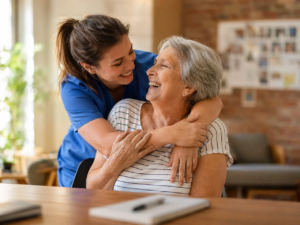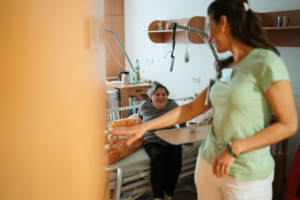

When people hear “live-in caregiver,” they might picture someone who simply keeps an eye on things. But the reality is so much more comprehensive and skilled. A professional caregiver is a cornerstone of a senior’s ability to live independently and with dignity. Their role is a carefully balanced blend of practical help, health oversight, and emotional support. Understanding the full spectrum of live in caregiver duties and responsibilities reveals the true value they bring into a home. From specialized dementia support and post-surgery care to managing daily routines and ensuring a safe living space, their work is multifaceted. This article will give you a clear, detailed look at what these dedicated professionals do to enhance your loved one’s quality of life.
Not Sure What a Live-In Caregiver Can Do?
Learn how a live-in caregiver can support your loved one’s daily needs, safety, and overall well-being with personalized, around-the-clock care.
- Clear role and duty breakdown
- Personalized care plans
- 24/7 in-home support
Key Takeaways
- A caregiver provides whole-person support: Their responsibilities go beyond daily tasks to create a safe, comfortable, and emotionally supportive environment that nurtures your loved one’s overall well-being.
- They are an active partner in health management: A professional caregiver serves as a crucial link between your family and the healthcare team by monitoring vital signs, managing appointments, and providing detailed updates to ensure proactive and informed care.
- A successful partnership is built on trust and communication: The foundation of effective live-in care is a professional relationship grounded in clear communication, mutual respect, and established boundaries, ensuring a stable and positive experience for everyone.
What Does a Live-in Caregiver Really Do?
When you’re considering bringing a professional into your loved one’s home, it’s natural to wonder what their day-to-day life will actually look like. A live-in caregiver is so much more than just a helper; they become a trusted partner in your family member’s daily life, offering consistent support, safety, and friendship. Their role is to make living at home a comfortable and dignified experience, adapting to the unique needs and rhythms of the person they’re caring for. This isn’t about taking over, but about empowering your loved one to live as independently as possible, with a safety net always in place.
The goal is to provide a seamless blend of professional assistance and genuine human connection. From helping with morning routines to sharing a quiet evening conversation, a caregiver’s presence ensures your loved one is never alone and always has the support they need. This around-the-clock care provides peace of mind for the entire family, knowing someone dedicated and compassionate is always there. It’s about creating an environment where your parent or relative can thrive in the familiar comfort of their own home, surrounded by their memories. It’s a personalized alternative that honors their desire to age in place, offering stability and reassurance when you can’t be there.
A Look at Their Core Responsibilities
A live-in caregiver’s duties are centered around your loved one’s well-being. This starts with personal care, which includes assistance with bathing, dressing, and grooming to help them start their day feeling their best. They also prepare nutritious meals tailored to specific dietary needs and handle light household tasks like laundry and tidying up to maintain a safe, clean space.
Beyond the practical, they provide warm companion care, engaging in conversation, hobbies, and activities to keep spirits high. A caregiver also helps with mobility, medication reminders, and transportation to appointments, ensuring health and safety are always the top priority.
What a Typical Day Looks Like
While every day is unique, it generally follows a familiar and comforting rhythm. The morning might begin with helping your loved one get out of bed, get dressed, and enjoy a healthy breakfast. Midday could involve a walk, a trip to a doctor’s appointment, or simply working on a puzzle together. The caregiver prepares lunch and handles light chores while ensuring medications are taken on time.
In the evening, they’ll cook dinner, help your family member wind down for the night, and make sure they are settled safely in bed. The beauty of live-in home care is that this support is constant, providing security and companionship around the clock.
Essential Qualifications and Training
Trust is everything, which is why professional caregivers must meet high standards. At a minimum, they have certifications in CPR and First Aid and a solid background of hands-on experience. Many pursue specialized training to better support clients with specific conditions, such as our dedicated dementia and Alzheimer’s care.
Beyond credentials, the best home caregivers possess deep compassion, patience, and excellent communication skills. They are professionals who understand the importance of dignity and respect, and they are committed to creating a safe and nurturing environment for your loved one. This combination of skill and heart is what truly makes a difference.
How Caregivers Help with Personal Care
Personal care is fundamental to health, dignity, and overall well-being. For many seniors, daily tasks that were once simple can become challenging due to mobility issues, illness, or cognitive changes. This is where a professional caregiver provides essential, hands-on support. Their role goes far beyond just completing tasks; it’s about creating a routine that is respectful, empowering, and tailored to your loved one’s comfort level. A caregiver’s assistance with personal hygiene and daily routines helps seniors feel their best, maintain their sense of self, and continue living with confidence in their own homes.
This one-on-one support is a cornerstone of quality senior care, ensuring that your family member’s needs are met with compassion and professionalism. From starting the day feeling fresh and clean to moving safely around the house, these acts of care make a significant difference in a person’s quality of life. It allows them to conserve energy for the activities they enjoy, like spending time with family or pursuing hobbies. By handling these essential duties, a caregiver not only supports physical health but also provides invaluable peace of mind for the entire family, knowing your loved one is safe, comfortable, and treated with the utmost respect.
Assisting with Bathing and Grooming
A warm bath or a fresh shave can completely change how a person feels, both physically and mentally. Caregivers provide sensitive and respectful assistance with bathing, showering, and grooming routines. They ensure the bathroom is a safe space, helping to prevent slips and falls while maintaining your loved one’s privacy and dignity. This support includes everything from washing hair and brushing teeth to helping with skincare and getting ready for the day. By handling these tasks with a gentle touch, caregivers help seniors maintain personal hygiene, which is crucial for preventing skin infections and feeling refreshed and confident every single day.
Supporting Mobility and Safe Transfers
For seniors who have difficulty moving around, a caregiver’s support is vital for safety and confidence. Caregivers are trained to provide steady assistance as your loved one gets in and out of bed, stands up from a chair, or moves through the home. This hands-on help significantly reduces the risk of accidents and is a key part of our injury and fall prevention services. By ensuring safe transfers, caregivers also encourage mobility, helping your family member stay as active as possible. This consistent support allows them to move with greater ease and security, preserving their independence at home.
Managing Medications
Keeping track of multiple prescriptions can be overwhelming, but it’s critical for managing health conditions. A caregiver helps ensure your loved one takes the right medications at the right times and in the correct doses. While they don’t administer medication, they provide reliable reminders, open pill bottles, and keep a careful log to share with family and healthcare providers. This simple but organized approach prevents missed doses or accidental errors, which is essential for maintaining your loved one’s health and giving you peace of mind that their treatment plan is being followed correctly.
Aiding with Toileting and Personal Hygiene
We understand that asking for help with toileting and incontinence care can be difficult. Our caregivers approach these needs with the utmost sensitivity, discretion, and professionalism to ensure your loved one feels comfortable and respected. They provide gentle assistance with getting to and from the bathroom, managing incontinence products, and maintaining personal cleanliness. This dedicated support is a core part of providing effective 24/7 around-the-clock care, as it helps prevent skin irritation and infections while upholding your family member’s dignity. It’s about ensuring they are always clean, comfortable, and cared for with compassion.
Helping with Dressing
The simple act of getting dressed can be a real challenge for seniors with limited mobility, arthritis, or cognitive decline. A caregiver can make this daily routine much easier and more comfortable. They can help choose appropriate outfits for the day’s weather or activities, assist with difficult buttons or zippers, and ensure your loved one is comfortable from head to toe. This support not only saves physical strain but also helps your family member feel put-together and ready to face the day. It’s a small detail that makes a big impact on their self-esteem and daily outlook.
Keeping the Home Safe and Comfortable
A caregiver’s role goes far beyond personal assistance; it’s about creating a true sanctuary where your loved one feels secure, comfortable, and cared for. This means tending to the environment with the same attention and dedication they give to the person. From preparing delicious, healthy meals to ensuring every room is free of hazards, a professional caregiver transforms a house into a safe and nurturing home. This holistic approach is fundamental to maintaining independence and quality of life, giving you peace of mind knowing that every detail is being managed with expertise and compassion.
Planning and Preparing Nutritious Meals
Consistent, healthy eating is a cornerstone of senior wellness, but managing it can be a challenge. A live-in caregiver takes the stress out of mealtime by handling everything from planning and grocery shopping to cooking and cleanup. They work with your loved one’s dietary needs and preferences, whether that means managing a low-sodium diet, preparing soft foods, or simply making their favorite comfort meals. This dedicated support ensures your family member receives balanced, delicious nutrition every day, which is vital for maintaining energy, strength, and overall health. It’s one less thing for you to worry about, knowing they are eating well.
Maintaining a Tidy Living Space
A clean and organized home has a powerful impact on both mental and physical well-being. Caregivers help maintain a pleasant living environment by handling light housekeeping tasks like dusting, vacuuming, laundry, and keeping the kitchen and bathrooms tidy. This isn’t just about cleanliness; it’s about creating a comfortable, stress-free space where your loved one can relax and feel at ease. A well-kept home reduces clutter, which can be a safety hazard, and contributes to a more positive and peaceful atmosphere. This consistent support ensures the home remains a welcoming and orderly sanctuary.
Creating a Fall-Proof Home
For many families, the fear of a parent falling is a constant worry. A key responsibility for a caregiver is proactive injury and fall prevention. They are trained to assess a home for potential dangers and make simple but effective adjustments. This includes securing loose rugs, clearing pathways of clutter, ensuring rooms are well-lit, and checking that bathrooms have necessary safety features like grab bars. By identifying and addressing these risks, a caregiver helps create a secure environment where your loved one can move about with confidence. This constant vigilance is essential for preventing accidents and supporting safe independence at home.
Responding to Emergencies
Having a professional caregiver in the home provides an invaluable layer of security, especially in an emergency. They are trained to monitor for subtle changes in a client’s health, such as shifts in breathing, blood pressure, or alertness, which can be early indicators of a problem. With 24/7 around-the-clock care, someone is always present to respond swiftly and appropriately, whether it’s contacting emergency services or communicating with the family and healthcare team. This immediate response capability is critical for ensuring safety and can make all the difference in a health crisis, offering families profound peace of mind.
Performing Regular Home Safety Checks
A safe home is an ongoing project, not a one-time fix. Caregivers perform regular safety checks to ensure the living environment remains secure day in and day out. This includes simple but important tasks like testing smoke detectors, making sure the thermostat is set to a comfortable and safe temperature, and confirming that all safety equipment is in good working order. They also keep an eye out for new potential hazards that may arise. This diligent, routine oversight ensures that the home isn’t just safe today, but remains a secure and stable environment for your loved one long-term.
Monitoring Health and Keeping Records
One of the most significant benefits of having a professional live-in caregiver is the consistent health monitoring they provide. It’s about having a trained pair of eyes and a steady hand available at all times to observe, track, and communicate any changes in your loved one’s condition. This proactive approach is fundamental to preventing complications and ensuring your family member receives the best possible care. For adult children juggling their own responsibilities, this detailed oversight provides invaluable peace of mind, knowing that a dedicated professional is focused on their parent’s well-being. This system of careful observation and documentation ensures that everyone involved—from family members to physicians—has a clear and current picture of your loved one’s health, allowing for timely and informed decisions.
Tracking Vital Signs
A key part of a caregiver’s role is consistently monitoring vital signs like blood pressure, heart rate, and temperature. This isn’t just about recording numbers; it’s about understanding what’s normal for your loved one and recognizing subtle shifts that could indicate a developing health issue. By keeping a close watch on these essential indicators, a caregiver can spot potential problems before they become serious, allowing for early intervention. This regular tracking is a cornerstone of preventative care, helping to manage chronic conditions and reduce the risk of emergencies. It’s a simple yet powerful way our home caregivers provide a safer environment at home.
Coordinating Medical Appointments
Managing a calendar full of doctor’s visits can be a full-time job in itself. A live-in caregiver takes this burden off your shoulders by handling the logistics of medical appointments. They will plan and accompany clients to their appointments, ensuring they arrive safely and on time with all the necessary documents and medications. The caregiver can also serve as an extra set of ears in the exam room, helping to listen to the doctor’s instructions and ask clarifying questions. This support ensures that medical advice is understood and followed correctly, leading to better health outcomes and greater peace of mind for the entire family.
Keeping Detailed Daily Care Notes
Clear and consistent documentation is essential for high-quality care. Caregivers are trained in keeping detailed daily care notes, creating a comprehensive log of your loved one’s health and daily activities. These notes include observations on their physical and emotional state, medication administration times, meal intake, and any changes in behavior. This record is invaluable for providing continuity of care, especially when multiple family members or healthcare professionals are involved. For those receiving specialized Dementia & Alzheimer’s Care, these notes are crucial for tracking cognitive changes and adjusting the care plan accordingly.
Communicating with the Healthcare Team
A live-in caregiver acts as a vital link between your loved one, your family, and the broader healthcare team. Effective communication is at the heart of this role. By sharing their daily observations and notes with doctors, nurses, and therapists, the caregiver ensures that everyone has the most current information. This collaborative approach helps medical professionals make more informed decisions about treatment and support. For the family, it means you have a trusted advocate on the ground who can relay important updates, giving you confidence that your loved one’s care is being managed seamlessly and professionally.
Nurturing Emotional and Mental Health
A live-in caregiver’s role extends far beyond physical assistance; it’s about fostering a positive and enriching environment that supports a senior’s emotional and mental well-being. Loneliness and isolation can have a significant impact on health, which is why a caregiver’s presence is so vital. They become a trusted friend and confidant, offering consistent social interaction and emotional support right in the comfort of home. This focus on whole-person wellness is a cornerstone of quality care.
For families, knowing a compassionate professional is there not just to manage tasks but to share a laugh, listen to stories, and offer a comforting presence provides incredible peace of mind. It transforms the concept of care from a simple service into a meaningful human connection. By engaging in thoughtful conversation, encouraging hobbies, and simply being a compassionate listener, a caregiver helps keep a senior’s mind active and their spirits high. This consistent companionship can make all the difference, transforming daily life from a series of tasks into a time of connection and contentment. It’s about ensuring your loved one feels seen, heard, and valued every single day.
Practicing Active Listening
One of the most powerful things a caregiver can offer is a listening ear. Active listening is more than just hearing words; it’s about giving someone your full attention, showing empathy, and making them feel understood. For many seniors, having someone to talk to about their day, share memories with, or voice concerns to can be incredibly therapeutic. This dedicated companion care helps combat feelings of loneliness and validates their experiences. A caregiver who truly listens can pick up on subtle changes in mood or health, providing a crucial link between your loved one and their family or healthcare team.
Engaging in Meaningful Conversation
Meaningful conversation is a key part of keeping the mind sharp and engaged. A caregiver does more than just make small talk; they learn about your loved one’s interests, life experiences, and passions. They might discuss current events, reminisce over old photos, or talk about a favorite book or movie. This daily interaction provides mental stimulation and a powerful sense of connection, preventing the social isolation that many seniors face. It turns routine moments into opportunities for genuine friendship and shared enjoyment, which is essential for maintaining a positive outlook on life and feeling connected to the world.
Encouraging Social Activities
Staying socially active is vital for mental and emotional health. A live-in caregiver can be instrumental in helping your loved one maintain connections with friends, family, and their community. This might involve helping them make phone calls, write emails, or even use video chat to connect with relatives who live far away. They can also accompany your parent on outings, whether it’s a trip to a local senior center, a lunch date with a friend, or a community event. By facilitating these social interactions, a caregiver helps your loved one continue to be a part of the world around them.
Helping Manage Mood Changes
It’s natural for seniors to experience shifts in mood, especially when dealing with health challenges or life changes. A compassionate caregiver is trained to be attuned to these emotional fluctuations. They provide a stable, reassuring presence and can offer comfort during difficult moments. More importantly, they carefully observe and document any significant changes in behavior or mood, communicating these observations to the family and healthcare team. This proactive approach is especially critical in Dementia & Alzheimer’s care, where tracking these changes can inform the overall care plan and ensure your loved one receives the right support.
Providing Compassionate Memory Support
For seniors facing memory loss, a caregiver’s role is to create a safe, structured, and supportive environment. This involves more than just medication reminders; it’s about using gentle cues, establishing predictable routines, and engaging in activities that can stimulate memory, like looking through photo albums or listening to familiar music. A caregiver provides patient and compassionate assistance, reducing frustration and anxiety for your loved one. This specialized support helps preserve a sense of dignity and independence, making it possible for seniors with cognitive challenges to continue living comfortably and securely in their own homes.
Handling Specialized Care Needs
When a loved one requires more than just a helping hand with daily chores, the scope of caregiving expands. Many families find themselves facing complex health challenges that demand specialized knowledge and a steady, experienced presence. This is where the role of a professional live-in caregiver becomes truly invaluable. They are trained to handle specific medical conditions and situations with skill and compassion, providing a level of support that goes far beyond basic assistance.
Whether your parent is navigating the cognitive changes of dementia, recovering from a major surgery, or managing a chronic illness, a dedicated caregiver provides consistent, one-on-one attention. They are equipped to monitor symptoms, manage medications, and create a safe environment tailored to your loved one’s unique needs. This specialized support not only ensures your parent’s physical well-being but also offers incredible peace of mind for the entire family. Knowing someone is there around the clock, prepared for any situation, allows you to focus on simply being a son or daughter again. This is the core of exceptional senior care: providing expert help where it’s needed most, so your family can cherish your time together.
Specialized Care for Dementia and Alzheimer’s
Caring for someone with dementia or Alzheimer’s requires a unique blend of patience, structure, and expertise. A caregiver trained in dementia and Alzheimer’s care does more than assist with bathing and dressing; they create a calm and predictable environment that helps minimize confusion and anxiety. They are skilled at recognizing changes in health or behavior and can adapt their approach to meet the evolving needs of your loved one. By engaging them in familiar activities and providing gentle redirection, caregivers help maintain a sense of purpose and dignity. This consistent, compassionate support is essential for managing the day-to-day realities of memory loss and ensuring your parent feels safe and understood at home.
Assisting with Post-Surgery Recovery
The transition from hospital to home can be a critical time in the healing process. A live-in caregiver plays a vital role in ensuring a safe and successful recovery. They provide essential post-surgery care by making sure medications are taken correctly and on schedule, which is crucial for pain management and preventing infection. They also offer support with mobility, helping your loved one move safely to reduce the risk of falls or re-injury. From preparing nutritious meals that aid healing to assisting with personal hygiene when movement is difficult, a caregiver’s support allows your parent to rest and recover without the stress of managing household tasks.
Managing Chronic Conditions
Living with a chronic condition like heart disease, diabetes, or arthritis often requires careful daily management. A professional caregiver can be an essential partner in maintaining your loved one’s health and stability. They pay close attention to any new or changing symptoms, communicating promptly with doctors to ensure issues are addressed quickly. This proactive monitoring can prevent complications and unnecessary hospital visits. Caregivers also provide practical support by preparing diet-appropriate meals, assisting with prescribed exercises, and ensuring medications are taken properly. This consistent, attentive 24/7 around-the-clock care helps manage the condition effectively, allowing your parent to maintain the best possible quality of life at home.
Providing Comfort and End-of-Life Support
During the final stages of life, the focus of care often shifts from treatment to comfort, dignity, and emotional peace. In these moments, a caregiver’s role becomes one of profound compassion and support. They provide gentle personal care to ensure your loved one is always comfortable and clean. More than that, they offer a comforting presence through meaningful companion care. By spending time talking, listening, or simply sitting quietly with your parent, they help ease feelings of loneliness and anxiety. This dedicated support provides a sense of peace not only for your loved one but for the entire family, allowing you to make the most of your precious time together.
Why Professional Boundaries and Self-Care Matter
Live-in care is a deeply personal and demanding role. For a caregiver to provide consistent, compassionate, and effective support, they must also prioritize their own well-being. This isn’t a luxury; it’s a fundamental part of a sustainable caregiving relationship. When a caregiver is rested, respected, and supported, they can bring their best selves to their work, offering the patience and attentiveness your loved one deserves.
Recognizing the importance of boundaries and self-care is a hallmark of a professional caregiver. It ensures they can manage the emotional and physical demands of the job without becoming overwhelmed. For families, this means greater peace of mind, knowing that their loved one is in the hands of someone who is not only skilled but also emotionally and physically prepared for the responsibilities at hand. A supported caregiver is better equipped to build a positive, long-lasting relationship built on trust and mutual respect.
Setting Healthy and Respectful Limits
Setting clear boundaries is essential for maintaining a healthy and professional caregiving relationship. This starts with a detailed care plan that outlines the caregiver’s specific duties, work hours, and expectations. In a live-in arrangement, it’s especially important to define when a caregiver is “on duty” and when they have personal time. This structure helps prevent misunderstandings and ensures the relationship remains focused on providing excellent senior care. It’s not about creating distance; it’s about establishing a respectful framework that protects both your loved one and the caregiver, allowing for a professional and caring dynamic to flourish.
Preventing Caregiver Burnout
Caregiver burnout is a state of physical, emotional, and mental exhaustion that can occur from the prolonged stress of caring for someone. It can lead to fatigue, irritability, and a reduced ability to provide compassionate care. The best way to prevent burnout is to be proactive. Professional caregivers are trained to recognize the early signs and understand the importance of taking regular breaks to rest and recharge. At Live Easy Home Care, we ensure our caregivers have the support they need to avoid burnout, which is crucial for providing consistent and high-quality 24/7 around-the-clock care. This approach helps maintain a positive and healthy environment for everyone.
Ensuring a Healthy Work-Life Balance
Even when a caregiver lives in the home, they need a healthy work-life balance to thrive. This means having dedicated personal time to pursue hobbies, connect with friends and family, and simply unwind. A caregiver who has opportunities to recharge is more engaged, patient, and present during their working hours. Encouraging this balance is a key part of a successful long-term care arrangement. It allows the caregiver to manage stress effectively and return to their duties feeling refreshed and focused. This balance is vital for their well-being and directly impacts the quality of care your loved one receives.
Providing Support Resources for Caregivers
The best caregivers don’t work in isolation. They are backed by a strong support system that provides guidance, resources, and encouragement. Reputable agencies offer access to supervisors for professional advice, continuing education to sharpen skills, and a network of peers. They also provide respite care, which allows a primary caregiver to take a vacation or handle personal matters while a qualified replacement steps in. This ensures seamless care for your loved one and gives the primary caregiver a necessary break. Investing in our home caregivers means we are also investing in your family’s peace of mind.
Building a Strong and Trusting Relationship
The connection between a caregiver and your loved one is the heart of quality home care. It’s a professional relationship built on a foundation of mutual respect, open communication, and genuine compassion. When your family member feels safe, heard, and understood, they can truly thrive at home. This bond doesn’t happen by accident; it’s intentionally nurtured by dedicated caregivers who understand that their role goes far beyond a simple checklist of tasks. It’s about creating a supportive partnership that honors your loved one’s dignity and brings your family peace of mind.
How to Establish Trust
Trust is the cornerstone of any caregiving relationship, especially when it involves personal and sensitive tasks. A professional caregiver helps with many things a person may no longer be able to do alone, from bathing and grooming to dressing. We understand that inviting someone into your home to assist with these intimate aspects of life requires immense trust. Our home caregivers build this trust through consistency, reliability, and a gentle, respectful approach. By showing up on time, communicating clearly, and handling every task with professionalism and empathy, they create a safe environment where your loved one feels comfortable and secure.
Maintaining Open Communication with Your Family
Clear and consistent communication is vital for keeping everyone on the same page. A caregiver does more than just provide physical support; they offer meaningful companionship by talking, listening, and sharing in daily activities. This helps combat the loneliness many seniors experience. Just as importantly, our caregivers act as a vital link to the rest of the family. They provide regular updates on your loved one’s well-being, from their mood and appetite to any changes they observe. This open dialogue ensures you’re always informed and confident in the care your family member is receiving, making our Companion Care a source of comfort for everyone.
Upholding Professional Ethics
A truly great caregiver embodies a unique blend of compassion and professionalism. Key qualities like kindness, patience, and strong problem-solving skills are essential, as is the flexibility to adapt to your loved one’s changing needs. Upholding professional ethics means respecting boundaries, maintaining confidentiality, and always prioritizing the client’s safety and well-being. It’s about being a dependable and responsible presence in the home—someone your family can count on. At Live Easy Home Care, we ensure our caregivers are not only highly skilled but also committed to the highest ethical standards in every aspect of their work.
Respecting Cultural and Personal Preferences
Every person has a unique life story, with their own routines, traditions, and preferences that make them who they are. A respectful caregiver takes the time to learn and honor these individual details, whether it’s preparing a meal a certain way or understanding cultural customs. This personalized approach ensures your loved one feels seen and valued as an individual. It’s also why our caregivers are trained to be observant, watching for subtle changes in health, like signs of poor nutrition. This is especially critical in Dementia & Alzheimer’s Care, where respecting established routines can provide comfort and stability.
Our Commitment to Professional Growth
Providing exceptional care isn’t a one-time achievement; it’s an ongoing promise. We believe that the best care comes from caregivers who are supported, knowledgeable, and always learning. That’s why our commitment to professional growth is at the heart of everything we do. When a caregiver feels confident and competent, it directly translates into a safer, more reassuring experience for your loved one. This dedication ensures that the support your family receives is not only compassionate but also informed by the latest standards and techniques in senior care. Our home caregivers are more than just helpers; they are skilled professionals prepared to provide the highest quality of life for those they serve, whether they need specialized dementia care or simple companionship.
Our High Standards for Certification
We start by setting a high bar. Every caregiver on our team must hold a professional certification, such as a Home Health Aide (HHA) or Certified Nursing Assistant (CNA). This isn’t just a piece of paper; it’s proof that they have a foundational understanding of essential care practices. This initial training covers everything from personal hygiene and safety protocols to basic medical knowledge. By requiring these credentials, we ensure that every member of our team arrives at your door with a professional skill set, ready to provide competent and reliable support from day one.
Investing in Continuing Education
Great caregiving requires a commitment to lifelong learning. The needs of seniors can change, and best practices in the field are always evolving. We support our caregivers by providing access to ongoing training and educational resources. This includes advanced courses that cover critical topics like behavior management for clients with dementia, nutrition planning, and effective communication strategies. This investment in continuing education helps our team refine their skills and stay motivated, ensuring they can adapt to any situation with confidence and provide the most effective care possible for your loved one.
Enhancing Skills for Better Care
Beyond certifications, we focus on honing the practical, hands-on skills that make a real difference every day. Our training programs emphasize core duties that are vital for a senior’s well-being. This includes mastering safe techniques for promoting and maintaining mobility to prevent falls, implementing strict infection control procedures, and providing basic first aid. By continuously enhancing these skills, our caregivers are better prepared to create a secure environment and handle the daily tasks of personal care with precision and gentleness, ensuring your loved one is always in capable hands.
Staying Current Through Professional Networks
No caregiver works in a vacuum. We believe it’s essential for our team to be part of a larger professional community. We encourage our caregivers to connect with networks and access free resources from respected organizations in the elder care field. This connection provides them with a valuable support system and keeps them informed about emerging trends, new research, and shared wisdom from other professionals. By staying current, our team can bring fresh perspectives and proven strategies into your home, ensuring the care they provide is not only compassionate but also aligned with the highest industry standards.
Related Articles
- Your Guide to Parent Care Home Care
- Preparing Your Home For Live-In Care: A Quick Guide – Live Easy Cares
- How Ongoing Live-In Care Preserves Routine And Independence – Live Easy Cares
- Live-In Care Home Preparation: Safety, Comfort & Tips | Live Easy Home Care
- What Is Elderly Companion Care? A Complete Guide
Understand Live-In Caregiver Support with Confidence
Explore the full scope of live-in caregiver duties and find the right level of care to ensure comfort, safety, and independence at home.
- Detailed care responsibilities
- Experienced caregivers
- Tailored support plans
Frequently Asked Questions
How is a professional live-in caregiver different from a companion or housekeeper? While a live-in caregiver certainly provides companionship and helps with light housekeeping, their role is much more comprehensive. They are certified professionals trained to provide hands-on personal care, monitor health conditions, manage medication schedules, and ensure home safety. Their primary focus is the holistic well-being of your loved one, combining skilled assistance with genuine emotional support to create a secure and nurturing environment.
What are the living arrangements for a live-in caregiver, and do they get breaks? Yes, absolutely. To provide the best possible care, a caregiver needs their own private space for rest and personal time. They also have scheduled breaks during the day and designated days off, just like any other professional. This structure is essential for preventing burnout and ensuring they remain refreshed, focused, and able to provide the attentive support your loved one deserves around the clock.
Can a caregiver manage my parent’s more advanced needs, like Alzheimer’s or recovery from an injury? Yes, this is a key part of what we do. Our caregivers receive specialized training to support clients with specific conditions, including dementia, Alzheimer’s, and post-surgery recovery. They understand how to create a safe, structured environment for someone with memory loss and are skilled in assisting with mobility and other challenges during a healing period to prevent falls and promote a smooth recovery.
How do you make sure the caregiver is a good match for my family? Finding the right fit is crucial, and we take it very seriously. The process involves more than just matching skills to needs; we focus on personality, communication style, and temperament. We get to know your family and your loved one’s preferences to find a caregiver who can build a strong, trusting, and respectful relationship. The goal is to find someone who feels like a supportive partner in your loved one’s care.
What happens if our regular caregiver needs time off or gets sick? This is one of the most important benefits of working with a professional agency. We have a team of qualified caregivers ready to step in whenever needed, ensuring there are never any gaps in your loved one’s care. If your primary caregiver needs a vacation or is unwell, we arrange for a skilled replacement to provide seamless support, giving you complete peace of mind that your family member is always in capable hands.