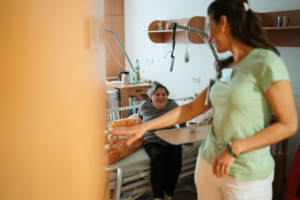

Hearing that your parent needs surgery brings a wave of concern, but that worry can intensify when you live far away or have commitments that prevent you from being there 24/7. Your parent might be stoic, but you both may be thinking, “There is no one to stay with me after surgery.” This situation can leave families feeling helpless, caught between wanting to provide care and the reality of distance and daily responsibilities. This guide is for you. It provides a clear roadmap for arranging professional, reliable support that ensures your loved one is safe, comfortable, and never truly alone during their recovery. We’ll explore how to coordinate everything from post-operative care to daily assistance, giving you the peace of mind that they are in capable and compassionate hands.
Key Takeaways
- Understand the Real Risks of Solo Recovery: Healing alone isn’t just about being lonely; it’s about safety. The effects of anesthesia and pain medication increase your risk of falls, medication mistakes, and missing the early signs of complications.
- Prepare Your Home for a Safe Recovery: A little planning goes a long way. Create a “recovery station” with everything you need within reach, clear pathways to prevent trips, and stock your kitchen and medicine cabinet before your procedure to eliminate stress.
- Arrange for Support Before You Need It: Don’t wait until you’re overwhelmed to ask for help. Professional post-surgery care provides a reliable safety net, handling daily tasks and monitoring your well-being so you can focus entirely on healing.
Recovering Alone After Surgery: What Are the Risks?
Facing surgery is one thing; managing the recovery on your own is another challenge entirely. While your independence is important, it’s critical to understand that even minor procedures carry risks once you’re back home. The effects of anesthesia, pain medication, and limited mobility can create a perfect storm of potential problems. In fact, most surgical centers won’t even discharge you unless you have someone to drive you home and stay with you for at least the first 24 hours, because they know how crucial that initial support is for your safety.
Going through recovery alone means you are the sole person responsible for monitoring your condition, managing your pain, and handling daily needs—all while your body is in a vulnerable state. This can put your physical health at risk and take a significant emotional toll. A successful recovery isn’t just about letting your incisions heal; it’s about creating a safe and supportive environment where your body and mind can rest and recuperate without added stress. Understanding the specific risks involved is the first step in creating a solid plan that ensures your recovery is as smooth and safe as possible.
Physical Safety and Complications
The first 24 to 72 hours after surgery are the most critical. Anesthesia and pain medications can leave you feeling groggy, dizzy, and unsteady on your feet, which significantly increases the risk of a fall. A simple trip to the bathroom can become a hazardous journey. Without someone there to help, you also run the risk of missing medication doses or taking them incorrectly, which can lead to unmanaged pain or dangerous side effects.
Beyond immediate safety, there’s the risk of not recognizing post-operative complications. Signs of infection, blood clots, or adverse reactions to medication can be subtle at first. Having another person present provides a second set of eyes to notice changes you might miss. Professional post-surgery care is designed to manage these risks by providing support with mobility, medication reminders, and monitoring for warning signs.
Emotional Well-being and Isolation
Healing is not just a physical process; it’s an emotional one, too. Recovering alone can feel incredibly isolating, especially when you’re feeling unwell or anxious about your progress. It’s common to feel vulnerable and overwhelmed after a medical procedure, and the lack of immediate support can amplify these emotions. The stress of managing everything by yourself—from preparing meals to simply getting a glass of water—can hinder your body’s ability to heal effectively.
This sense of isolation can sometimes lead to feelings of depression or anxiety. Having someone to talk to, offer encouragement, or just be present in the house can make a world of difference for your mental state. This is where companion care can be so valuable, providing not just practical help but also the emotional reassurance that helps you feel safe and cared for during a vulnerable time.
Limits on Daily Activities
After surgery, your doctor will give you a list of restrictions that often includes no driving, no heavy lifting, and limited bending or stretching. These limitations can make everyday life feel impossible to manage on your own. How will you get to your follow-up appointments? Who will pick up your prescriptions or buy groceries? Simple tasks like cooking, cleaning, and even personal hygiene can become exhausting and potentially dangerous.
Trying to do too much, too soon is one of the biggest mistakes people make during recovery, often leading to setbacks or new injuries. Planning for these limitations is essential. Arranging for transportation, meal delivery, and help with household chores ahead of time removes a massive layer of stress. For those needing more comprehensive support, 24/7 around-the-clock care ensures every need is met, allowing you to focus completely on healing.
How to Prepare Your Home for a Solo Recovery
Thinking ahead is the single most important thing you can do to ensure your solo recovery is safe and comfortable. A little preparation can make a world of difference, turning your home into a healing sanctuary rather than an obstacle course. Before your surgery, take some time to walk through your space and think about your daily routines. What will be difficult when your mobility is limited? Where might you need extra support?
The goal is to minimize physical strain and create an environment where you can focus entirely on getting better. This means setting up a dedicated recovery zone, stocking up on essentials so you don’t have to worry about errands, and establishing a clear communication plan for peace of mind. By addressing these key areas, you can reduce the risk of falls and other complications. Thoughtful planning also helps ease the mental stress of recovering alone, allowing you to rest with the confidence that everything you need is within reach. Professional services can also play a crucial role in injury and fall prevention during this vulnerable time.
Create a Safe Recovery Space
Your first step is to designate a “recovery station.” This will be your home base for the first few days or weeks. Choose a comfortable, firm chair with armrests—something that’s easy to get in and out of. Avoid soft, deep couches or chairs with wheels. Next, gather everything you’ll need and place it within arm’s reach: your phone and charger, medications, a pitcher of water, tissues, the TV remote, and some books or magazines. Clear the pathways throughout your home by removing throw rugs, electrical cords, and any other clutter that could become a tripping hazard. It’s also wise to move frequently used items in the kitchen and bathroom from high shelves or low cabinets to waist-level for easy access.
Stock Your Supplies and Medications
Before your procedure, make a trip to the pharmacy to pick up all prescribed medications, including pain relievers, as well as any over-the-counter items you might need. Managing pain effectively is key to a smoother recovery, so you’ll want to have everything on hand from day one. You should also stock your pantry and freezer. Prepare and freeze some simple, nutritious meals ahead of time, focusing on protein, vegetables, and whole grains. If cooking isn’t an option, look into local meal delivery services. Having your meals and medications sorted out beforehand eliminates major sources of stress, letting you rest without worrying about your next meal or a trip to the store. For extra help, companion care can assist with meal preparation and errands.
Set Up Communication and Emergency Plans
When you’re recovering alone, a solid communication plan is non-negotiable. Create a list of important contacts—including your doctor, pharmacy, and a few trusted neighbors or friends—and post it somewhere visible, like on the refrigerator. Always keep your phone fully charged and within reach of your recovery station. For an added layer of security, you might consider a medical alert system, especially for the first week. It’s also important to know who to call if you feel you’re not managing well on your own. Your surgeon’s office should be your first point of contact for any medical concerns. If you find that you need more help with daily tasks than you anticipated, professional post-surgery care can provide the support you need to heal safely at home.
What Professional Care Is Available for Solo Recovery?
Facing surgery without a dedicated support person can feel overwhelming, but you don’t have to manage it all on your own. Professional home care is a reliable and effective way to ensure you have the support you need to heal safely and comfortably. Bringing in a professional caregiver gives you peace of mind, allowing you to focus entirely on your recovery without the stress of managing daily tasks.
These services are designed to bridge the gap when family or friends aren’t available. A trained caregiver can assist with everything from personal care and meal preparation to simply being a reassuring presence in your home. This kind of support is not just about physical assistance; it’s about creating a safe, healing environment where you can rest and recuperate with confidence. Exploring professional post-surgery care can transform your recovery from a source of anxiety into a structured, supported process. It’s a practical step toward protecting your health and maintaining your independence.
Post-Surgery Care with Live Easy
If you’re recovering alone, arranging for professional support can make all the difference. Our dedicated caregivers provide essential assistance right in the comfort of your home. They can help with medication reminders, prepare nutritious meals, and assist with personal tasks like bathing and dressing that may be difficult after a procedure. More importantly, having a compassionate professional by your side reduces the risk of falls or complications. This support allows you to rest and heal properly, knowing that someone is there to manage the day-to-day details and ensure you’re safe and comfortable throughout your recovery.
Hiring a Home Health Aide
A home health aide, or caregiver, is a professional who provides non-medical support to help you live safely at home. While some services may be covered by insurance if deemed medically necessary by a doctor, many families choose private-pay options for more personalized and flexible care. These home caregivers can help with a wide range of daily activities, including light housekeeping, running errands, and providing transportation to follow-up appointments. Hiring an aide ensures you have consistent, one-on-one support tailored to your specific needs, which is invaluable when you’re focused on getting back on your feet.
Using Medical Alert Systems
For an added layer of security, especially during the night or when your caregiver is not present, a medical alert system is an excellent tool. These systems allow you to call for help with the simple push of a button, providing immediate access to emergency services. This can be incredibly reassuring when you’re feeling vulnerable after surgery. Combining a medical alert system with a professional caregiver is a key part of a comprehensive injury and fall prevention strategy. It ensures that even when you’re alone, you’re never without a direct line to the help you need.
How to Manage Daily Life While You Heal
Once you’re home, the real work of recovery begins. Juggling daily tasks like cooking, cleaning, and personal care can feel like a monumental effort when you’re focused on healing. But with a bit of forward-thinking, you can create a supportive environment that makes managing these activities much easier. The goal is to simplify your routine so you can dedicate your energy to getting better.
Thinking through your daily needs ahead of time helps you maintain your independence and safety. From planning your meals to making your home easier to get around in, these small adjustments can make a huge difference in your comfort and confidence during recovery. Let’s walk through some practical steps you can take to handle daily life while you heal.
Plan Your Meals and Nutrition
Good nutrition is a cornerstone of a strong recovery, but cooking is often the last thing you feel like doing after surgery. Before your procedure, spend some time preparing meals you can freeze in single-serving portions. Focus on dishes rich in protein, vegetables, and whole grains to help your body heal. Stock your pantry with easy-to-grab items like canned soups, fruits, crackers, and snack bars. Having these options on hand means you won’t have to worry about cooking when your energy is low. You can also explore local meal delivery services for a convenient way to get fresh, healthy food brought right to your door.
Handle Personal Hygiene Safely
Personal care tasks like bathing and dressing can be challenging and even risky when you’re recovering alone. It’s essential to have someone with you, especially for the first 24 to 48 hours post-surgery. If family or friends aren’t available, arranging for professional post-surgery care can provide the support you need for these critical first few days. A caregiver can assist with hygiene, help you get dressed, and handle simple household chores like taking out the trash or getting the mail. This support ensures you can focus on resting without compromising your safety or comfort.
Move Around with Confidence
Your home should be your sanctuary, not an obstacle course. Before your surgery, take a walk through your house and look for potential hazards. Create clear, wide pathways by moving furniture, and be sure to remove throw rugs and secure loose electrical cords to prevent tripping. Keep frequently used items—like medications, your phone, and the TV remote—on a nightstand or table that’s easily within reach. Placing walking aids like a cane or walker next to your bed and in the bathroom ensures they’re available right when you need them. Taking these steps to improve home safety is a key part of injury and fall prevention.
How to Arrange for Transportation and Essentials
Once you’re home, the world doesn’t stop. You’ll still have follow-up appointments to attend and household essentials to manage. Thinking through these logistics before your surgery can make a world of difference in reducing stress and allowing you to focus completely on healing. A little planning ensures you have a steady supply of what you need, from medication to nutritious food, without ever having to put your recovery at risk by overexerting yourself.
With the right systems in place, you can create a seamless support network that operates quietly in the background. This allows you to rest easy, knowing that your transportation is scheduled, your pantry is stocked, and your prescriptions are filled. For many, this level of coordination is where professional post-surgery care provides the most immediate relief, as a caregiver can handle all these errands, allowing you to stay comfortably at home.
Get to Your Medical Appointments
You won’t be able to drive for a period after your surgery, but follow-up appointments with your doctor are non-negotiable. It’s critical to arrange your transportation well in advance. Look into local medical transport services, which are equipped to handle mobility challenges, or consider standard rideshare apps if you feel steady enough. Some community organizations also offer volunteer driver programs for seniors.
The most reliable option is to have a dedicated person responsible for getting you there and back safely. A professional caregiver can manage your appointment schedule, provide transportation, and even take notes during your visit to ensure you remember all of the doctor’s instructions. This level of personal concierge service removes any uncertainty and helps you stay on track with your recovery plan.
Schedule Grocery and Pharmacy Deliveries
Good nutrition is a cornerstone of a speedy recovery, but the last thing you should be doing is walking through grocery store aisles. Before your procedure, take time to cook and freeze some simple, protein-rich meals. Once you’re home, lean on grocery and pharmacy delivery services to bring everything you need right to your door. Most major supermarkets and pharmacies offer this service, making it easy to get fresh food, toiletries, and prescription refills without leaving home.
This is another area where a caregiver can be incredibly helpful. They can manage all the shopping, pick up prescriptions, and prepare fresh, healthy meals tailored to your dietary needs. This ensures you’re well-nourished throughout your recovery without having to coordinate deliveries or cook for yourself.
Find Community Support Resources
Even with transportation and deliveries sorted, you may need an extra hand. Don’t hesitate to build a wider support network. Before your surgery, speak with the hospital’s social services department; they often have a list of local resources that can help. Your local senior center, community groups, or faith-based organizations may also offer assistance, from friendly check-in calls to help with small tasks.
While these community programs are valuable, they may not always be available exactly when you need them. For consistent and dependable help, professional companion care offers a structured solution. A dedicated caregiver provides not just practical help with daily tasks but also the reassuring presence of someone who is there specifically for you, ensuring you never feel truly alone during your recovery.
How to Safely Manage Pain and Medication on Your Own
Managing your medications and pain levels is one of the most critical parts of a successful recovery, and it can feel like a full-time job when you’re on your own. Staying on schedule with pain medicine not only keeps you comfortable but also helps you move, participate in physical therapy, and heal more effectively. The key is to be organized and prepared before you even leave for your procedure. By setting up a simple system, you can reduce stress and focus on what matters most: getting better.
While these tips can make a huge difference, remember that you don’t have to do everything by yourself. Having a professional caregiver assist with medication reminders and other daily tasks can provide immense peace of mind. Professional post-surgery care is designed to handle these details so you can rest and recover without worry. A little planning and the right support system can make your solo recovery feel much more manageable and safe.
Organize Your Medication Schedule
Before your surgery, make a comprehensive list of all your medications, including prescriptions, over-the-counter drugs, and any vitamins or supplements. Create a clear schedule that details what to take, when to take it, and any specific instructions, like whether to take it with food. You can use a simple notebook, a weekly pill organizer, or set alarms on your phone for each dose. Having this system in place ahead of time removes the guesswork when you’re tired or in pain. This simple step is one of the best ways to prevent missed doses or accidental double-ups.
Store and Take Medications Correctly
To avoid unnecessary strain, store your medications in a place that’s easy to access without bending or reaching. A drawer or basket on a countertop between your waist and shoulder height is ideal. Keep a bottle of water and a cup nearby so you don’t have to make extra trips to the kitchen. Always read the labels carefully and follow the instructions provided by your doctor and pharmacist. If you have a caregiver, even for a few hours a day, they can help with medication reminders and ensure you have everything you need within arm’s reach. This kind of support is a core part of companion care.
Know the Warning Signs of Side Effects
It’s important to know the difference between normal post-op discomfort and a potential complication. Before you’re discharged, ask your doctor about specific side effects to watch for with your medications and what symptoms warrant a call. Keep an eye on your incision for signs of infection, such as increased redness, swelling, pus, a bad smell, or a fever. If your pain suddenly gets worse or doesn’t improve with your prescribed medication, contact your healthcare provider right away. Never hesitate to ask for help if you feel overwhelmed or unsure about your symptoms. Professional senior care providers are trained to spot these warning signs and can act quickly.
What Symptoms Require Immediate Medical Attention?
Recovering from surgery requires you to be in tune with your body. While some pain, swelling, and fatigue are normal parts of the healing process, other symptoms can signal a serious complication that needs immediate attention. Knowing how to tell the difference is key to a safe recovery, especially when you’re on your own. Having a plan for who to call and when can give you and your family incredible peace of mind.
It’s helpful to keep a small notebook by your side to jot down any changes you notice, your temperature, and how you’re feeling each day. This log can be invaluable when speaking with your doctor. For many families, arranging for professional post-surgery care provides an essential layer of safety, ensuring a trained caregiver is there to monitor for warning signs and react quickly if a problem arises. Below, we’ll cover the critical symptoms you should never ignore.
Watch for Signs of Infection
Keeping your surgical incision clean and dry is a top priority, but infections can still happen. A localized infection can become serious if it’s not treated promptly with antibiotics. That’s why daily monitoring is so important.
You should call your healthcare provider right away if you notice any of these signs around your wound:
- Pus or cloudy drainage
- A significant increase in bleeding
- Redness or swelling that spreads or gets worse
- A bad smell coming from the incision
- Pain that intensifies instead of improving
- A fever over 101°F (38.3°C)
Don’t dismiss these symptoms as a normal part of healing. They are your body’s way of telling you something is wrong, and a quick phone call to your doctor’s office can prevent a much bigger problem.
Know When to Call 911
Some post-surgical complications are true medical emergencies that require immediate intervention. It’s crucial to recognize these red flags and act without hesitation. If you experience any of the following symptoms, call 911 or go to the nearest emergency room immediately:
- Sudden or severe chest pain
- Difficulty breathing or shortness of breath
- Uncontrolled bleeding from your incision
- Sudden weakness, numbness, or confusion
- Pain in your calf, which could signal a blood clot
If you find you can’t properly care for yourself or feel overwhelmed by your symptoms, it’s time to ask for help. Having a plan in place for emergencies is vital, and for many, the security of 24/7 around-the-clock care ensures that someone is always present to respond in a crisis, providing both safety and reassurance.
Use Telehealth for Minor Concerns
Not every question you have during recovery will be an emergency. For minor concerns, telehealth can be an incredibly useful tool. Many doctors’ offices now offer virtual visits, allowing you to speak with a nurse or doctor from the comfort of your home. This is perfect for when you need advice but don’t necessarily need an in-person examination.
Consider using telehealth to ask about:
- Mild side effects from a new medication
- Questions about your activity restrictions
- Concerns about slight changes in swelling or bruising
- Guidance on managing your pain
Using telehealth saves you the stress and discomfort of traveling to an appointment while you’re still healing. It keeps you connected to your medical team and empowers you to get the answers you need to recover with confidence.
How to Handle the Emotional Side of Recovering Alone
Recovering from surgery isn’t just a physical journey; it’s an emotional one, too. When you’re healing at home by yourself, feelings of vulnerability, loneliness, and anxiety can easily surface. It’s important to give your mental well-being the same attention you give your physical healing. Creating a plan to manage these emotions is a crucial part of a successful recovery.
Focusing on a few key areas can make a world of difference. By acknowledging and addressing your fears, making a conscious effort to stay connected with your support system, and establishing a gentle routine, you can create a positive and healing environment for yourself. These steps help you regain a sense of control and comfort during a time that can feel uncertain, ensuring your mind and spirit are nurtured right alongside your body.
Manage Feelings of Anxiety and Fear
It’s completely normal to feel anxious or scared when recovering alone. The “what ifs” can be overwhelming, especially when you’re not feeling your best. Acknowledging these feelings is the first step. Instead of pushing them away, allow yourself to recognize them without judgment. Simple mindfulness techniques, like deep breathing or focusing on your five senses, can help ground you when your thoughts start to spiral.
Having a solid plan in place is one of the best ways to ease anxiety. Knowing who to call in an emergency and having their number easily accessible can provide significant peace of mind. For many, the ultimate reassurance comes from knowing a professional is available. Arranging for professional post-surgery care ensures someone is there to monitor your progress and handle any concerns, letting you focus entirely on resting and healing.
Stay Connected with Loved Ones
Isolation can be one of the biggest challenges of a solo recovery. Even if you’re an independent person, a lack of social interaction can take a toll on your mood and motivation. Be proactive about reaching out to friends, family, and neighbors. Schedule regular phone calls or video chats to keep yourself connected. Don’t be afraid to let people know you’d appreciate them checking in on you—most people are happy to help but may not know how.
If your loved ones live far away or have busy schedules, consider professional companion care. A caregiver can provide not only physical assistance but also meaningful conversation and company, which is incredibly valuable for your emotional well-being. Having someone to chat with over a cup of tea or watch a movie with can break up the day and lift your spirits.
Create a Routine for Mental Well-being
When you’re recovering, the days can start to blend together, which can leave you feeling adrift. Establishing a simple daily routine provides structure and a sense of normalcy. Your schedule doesn’t need to be rigid, but it should include dedicated time for rest, meals, and gentle activities that you enjoy. This helps create a predictable rhythm for your day, which can be very comforting.
While you’re resting your body, keep your mind engaged. Line up a few good books, download some podcasts, or work on a puzzle. Engaging in hobbies that you can do from your recovery spot helps pass the time in a positive and stimulating way. A caregiver can be a great partner in maintaining this routine, helping you stick to your medication schedule, preparing meals, and setting you up with your favorite activities.
When Is It Time to Consider 24/7 Professional Care?
While many surgeries allow for a successful solo recovery with careful planning, some situations require a higher level of support. Major procedures, mobility limitations, or complex medication schedules can make it unsafe to be completely alone, especially in the first few days. It’s not about a lack of independence; it’s about creating the safest environment for your body to heal properly. Recognizing when you need more hands-on help is a crucial step in planning your recovery. If the thought of managing everything by yourself feels overwhelming or risky, it might be time to explore professional care options.
Assess Your Personal Care Needs
Take a moment to be truly honest about what your first week of recovery will look like. If you don’t have a friend or family member available, you need a detailed recovery plan before your operation. Think through your daily routine: How will you safely get out of bed, use the bathroom, or shower? Who will prepare your meals and ensure you’re eating enough to fuel your recovery? For many procedures, it’s essential to have someone with you for the first 24 to 72 hours. This is when you’re most vulnerable to falls or complications. Professional post-surgery care is designed to fill this gap, providing the support you need to rest and heal without worry.
The Benefits of Around-the-Clock Support
Recovering alone can feel isolating and stressful, but you don’t have to go through it by yourself. Studies show that people recover faster and with fewer complications when they can heal in the comfort of their own homes. Having professional support makes this possible. A caregiver provides more than just physical assistance; they offer peace of mind. They can manage medication schedules, help with mobility, and spot potential issues before they become serious problems. With 24/7 around-the-clock care, you have a dedicated professional ensuring your safety at all times. This constant support allows you to focus completely on your healing journey, knowing you are in capable hands.
Related Articles
- How to Prepare for Surgery Recovery: A Checklist
- Post-Surgery Home Care: What to Expect and How to Prepare – Live Easy Cares
- 5 Reasons You Need Help 24 Hours After Surgery
- Post-Surgery Recovery: How 24-Hour Home Care Can Speed Up Healing – Live Easy Cares
- After Surgery Home Care Cost: The Complete Breakdown
Frequently Asked Questions
My surgery is considered minor. Do I really need to arrange for help? Even after a minor procedure, the effects of anesthesia and pain medication can leave you feeling dizzy, tired, and unsteady for at least 24 to 48 hours. Having someone with you during this critical window isn’t about the seriousness of the surgery itself, but about ensuring your immediate safety. It provides a safeguard against falls and helps you manage medications correctly while your body and mind are still recovering from the stress of the operation.
How soon should I start planning for my post-surgery care? The best time to arrange for care is as soon as your surgery is scheduled. Planning ahead gives you time to properly research your options, interview potential caregivers or agencies, and make a choice you feel confident about. It also allows you to coordinate all the other details, like meal prep and home safety, without feeling rushed. Treating your recovery plan as part of your pre-op checklist helps eliminate a major source of stress.
I’m very independent. How can a professional caregiver support me without taking over? A professional caregiver’s goal is to support your independence, not take it away. Think of them as a partner in your recovery. They are there to handle the tasks that are temporarily unsafe or difficult for you, such as driving, lifting, or standing for long periods to cook. This frees up your energy to focus on healing and directing your own care. You remain in control; they simply provide the assistance needed to keep you safe and comfortable at home.
What if I think I’ve prepared enough, but realize I need more help once I’m home? It’s very common to underestimate how much support you’ll need after surgery. The most important thing is not to tough it out if you feel overwhelmed. Before your procedure, it’s a great idea to have the contact information for a reputable home care agency on hand. Professional agencies can often respond quickly to requests, so you can get the support you need without delay. It’s never too late to ask for help.
How is professional post-surgery care different from just having a friend stay with me? While the support of friends and family is wonderful, a professional caregiver brings a different level of assistance. They are trained to recognize post-operative warning signs, understand activity restrictions, and provide reliable, focused care without being distracted by their own obligations. This allows your loved ones to visit for companionship and emotional support, rather than feeling the pressure of being a full-time caregiver.