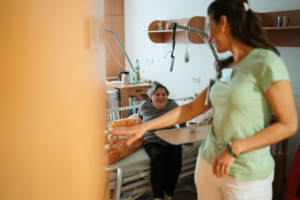

Hospitals and surgical centers have a strict, non-negotiable policy against letting patients go home alone after a procedure. This isn’t just a suggestion—it’s a mandatory safety protocol based on medical fact. Professionals understand that the recovery process begins the moment a patient leaves their care, and that initial period is fraught with risk. The answer to why do you need someone with you for 24 hours after surgery lies in that very policy. The effects of anesthesia and post-operative weakness mean your loved one is simply not equipped to care for themselves, making continuous support essential for their immediate safety and well-being.
Need Help Caring for a Loved One After Surgery?
Our professional caregivers provide 24/7 post-surgery assistance, medication reminders, and mobility support to ensure a smooth recovery.
- Trained caregivers
- Personalized care plans
- Available 24/7
Key Takeaways
- The First 24 Hours Require Constant Supervision: The lingering effects of anesthesia impair judgment and mobility, making solo recovery unsafe. Plan for a responsible adult to be present around-the-clock immediately after surgery to prevent falls and manage care.
- A Companion Handles the Logistics of Healing: Post-operative support is about more than just company. A caregiver manages the practical details—like medication schedules, meal prep, and personal care—allowing you to dedicate all your energy to resting and getting better.
- Set the Stage for a Smooth Recovery Beforehand: A successful healing process starts with preparation. Before the procedure, designate your support person, create a safe recovery space clear of hazards, and gather all necessary supplies to ensure a stress-free environment.
Why You Need Someone With You After Surgery
Going through surgery is a major event, but the procedure itself is only the first step. The hours and days that follow are just as critical for a safe and successful outcome. While you might feel eager to get back to your routine, your body needs time, rest, and support to heal properly. Having a trusted companion by your side isn’t just a comfort—it’s a crucial part of your recovery plan. From managing the lingering effects of anesthesia to helping with simple daily tasks, post-operative support ensures you can focus on what matters most: getting better.
How Anesthesia Affects Your Body
Even after you’re awake and cleared to go home, the effects of anesthesia can linger for 24 hours or more. You might feel sleepy, a bit dizzy, or just not quite like yourself. During this time, your judgment and reaction times are impaired, which is why medical professionals insist you don’t drive or even take public transportation alone. Having someone with you is a non-negotiable safety measure. This person can help you get home safely, settle in comfortably, and keep an eye on you as the final effects of the anesthesia wear off. Their presence ensures you can rest without worrying about your immediate safety.
Common Physical Hurdles in Recovery
After surgery, everyday activities you once took for granted can suddenly feel like monumental tasks. Bending down to put on socks, reaching for a plate in the cupboard, or even taking a shower can be difficult and painful. A companion can provide the physical assistance you need to handle these challenges safely. They can help with personal care, prepare simple meals, and manage light household chores so you don’t have to. Professional post-surgery care can also include essential tasks like monitoring your incision site, helping with bandage changes, and ensuring your recovery environment is safe and free of hazards.
The Emotional Side of Healing
The journey to recovery is as much mental as it is physical. It’s completely normal to feel anxious, vulnerable, or overwhelmed after a medical procedure. Having a supportive person nearby provides immense emotional comfort and peace of mind. Studies show that patients experience a substantial psychological benefit from having a caregiver present. This companion can offer a reassuring word, listen to your concerns, or simply provide a comforting presence. This emotional support can reduce stress and help you maintain a positive outlook, which is incredibly beneficial for the healing process.
Busting Common Recovery Myths
Well-meaning advice can sometimes do more harm than good. One of the most common myths is that you should remain completely still in bed after surgery. While rest is vital, gentle movement is often encouraged to prevent blood clots and other complications. Another misconception is that you can put off physical therapy. In reality, starting prescribed exercises at the right time is key to regaining strength and mobility. A knowledgeable companion can help you follow your doctor’s specific instructions, reminding you when to move, when to rest, and how to avoid common caregiving mistakes that could slow your progress.
The Risks of Recovering Alone
While the idea of resting in your own bed after surgery sounds ideal, going through it alone can introduce serious risks. Your body is focused on healing, which means your energy levels, mobility, and even your mental clarity are not what they usually are. Having a trusted companion by your side isn’t just a comfort—it’s a crucial part of a safe and successful recovery. Without that support, you could face unnecessary setbacks that delay your healing process. From navigating your home safely to recognizing when you need medical help, having someone there makes all the difference.
Staying Safe and Preventing Falls
After surgery, your balance and strength can be temporarily compromised, making your own home feel like an obstacle course. As one resource notes, “simple things like cooking, driving, bathing, and getting dressed can be much harder than usual.” Trying to manage these tasks alone significantly increases the risk of an accident. A slip in the bathroom or a trip over a rug could lead to a serious injury, potentially sending you right back to the hospital. A companion can provide the steadying hand you need, helping you move safely from room to room and assisting with daily activities. This support is key for effective injury and fall prevention during this vulnerable time.
Handling Unexpected Medical Issues
The lingering effects of anesthesia and pain medication can be more significant than many people realize. These medications can affect your memory and judgment, making it difficult to make clear decisions or even recognize that something is wrong. You might forget to take medication, miss signs of a complication, or struggle to follow your doctor’s instructions. Having another person present ensures there’s someone with a clear head to manage your care schedule, observe your condition, and handle any unexpected issues that arise. This layer of oversight is essential when your own cognitive functions are temporarily impaired.
Warning Signs You Shouldn’t Ignore
When you’re recovering, it’s easy to dismiss new symptoms as a normal part of the healing process. However, things like a persistent fever, unusual swelling, or signs of an infection need immediate attention. A companion can serve as a second set of eyes, helping you monitor for concerning symptoms that you might overlook. They can keep track of your progress and know what warning signs to watch for, based on the information from your medical team. This proactive monitoring is a core part of dedicated post-surgery care and can help you catch potential complications before they become serious problems.
Knowing When to Call for Help
In the days following a procedure, how can you be sure if what you’re feeling is normal or a reason to call the doctor? For example, if you can’t keep liquids down because of nausea, you could become dehydrated, which requires medical attention. When you’re alone and not feeling well, it can be hard to assess the situation clearly and take action. A caregiver can recognize when symptoms are escalating and know when it’s time to contact your doctor or seek emergency help. This removes the burden from you, allowing you to focus entirely on resting while knowing someone is there to advocate for your health.
How a Care Companion Helps You Heal
Navigating the first few days after surgery can feel overwhelming, but you don’t have to do it alone. Having a dedicated care companion by your side is one of the most effective ways to ensure a safe and smooth recovery. This person isn’t just there to keep you company; they play an active, hands-on role in your healing process. Think of them as your recovery partner, someone who anticipates your needs and handles the details so you don’t have to.
From managing practical tasks like preparing meals and keeping your medication schedule on track, to offering emotional encouragement when you feel discouraged, a companion provides a steady hand and a watchful eye. Their presence allows you to focus completely on what matters most: resting and getting better. This dedicated support system is crucial for preventing common post-operative complications like falls or missed medications. It also gives you—and your family—invaluable peace of mind, knowing that a compassionate and capable professional is there to help every step of the way. Instead of worrying about logistics, you can channel all your energy into healing.
Assistance with Mobility and Daily Tasks
After surgery, even the simplest movements can feel like a marathon. Getting out of bed, walking to the bathroom, or grabbing a glass of water can be difficult and put you at risk for a fall. A companion can offer a stable arm to lean on and help you move around safely. They also take care of daily household chores that are off-limits while you heal, like cooking nutritious meals, light cleaning, and laundry. By handling these essential tasks, a professional caregiver allows your body the uninterrupted rest it needs to repair itself, significantly reducing the risk of overexertion or injury.
Keeping Your Medications on Track
Remembering to take medications on time is critical for managing pain and preventing infection, but it’s easy to lose track when you’re groggy from anesthesia or pain medicine. A companion acts as your personal medication manager, ensuring you take the right dose at the right time. They can keep a log, set alarms, and communicate with your pharmacy if refills are needed. This simple but vital support removes the mental burden of managing a complex schedule, so you can be confident you’re following your doctor’s orders precisely for a faster, more comfortable recovery.
Support with Personal Care
Maintaining personal hygiene is important for both your physical health and your emotional well-being, but it can be challenging after a medical procedure. Tasks like showering, getting dressed, and grooming may be difficult or unsafe to do alone. A companion can provide respectful, dignified assistance with these personal care routines. This support helps you feel clean, comfortable, and more like yourself, which can have a wonderfully positive impact on your mindset. Having help with these tasks is a key part of a comprehensive post-surgery care plan that prioritizes your comfort and safety.
Safe Transportation to Appointments
Driving is strictly prohibited after receiving anesthesia, and you’ll likely be advised not to get behind the wheel for some time. A care companion ensures you have safe and reliable transportation home from the hospital or surgery center. They will also drive you to all your follow-up appointments with your surgeon or physical therapist. This removes a significant logistical worry, so you don’t have to coordinate rides or rely on taxis. Instead, you can focus on your appointments and get back home to rest without any added stress.
Providing Comfort and Peace of Mind
The emotional side of recovery is just as important as the physical one. Healing can feel isolating, and it’s normal to experience anxiety or feel a bit down after surgery. Having a friendly face around provides crucial emotional support and encouragement. A companion can offer a listening ear, share in a quiet activity, or simply be a reassuring presence in the room. This consistent companion care helps combat loneliness and provides immense peace of mind, not just for you, but for your family members who can rest easy knowing you are safe and well-cared for.
Does Your Surgery Require 24-Hour Care?
The short answer is, most likely, yes. While every procedure is different, the first 24 hours after surgery are a critical window for recovery. Hospitals and surgical centers have strict discharge policies for a reason: your loved one’s safety. Even if they feel alert, their body is working hard to heal, and the effects of anesthesia or medication can be unpredictable.
Arranging for continuous support during this initial period isn’t just a nice-to-have; it’s a fundamental part of a safe and smooth recovery plan. Whether it’s a minor outpatient procedure or a major operation, having a responsible adult present provides essential assistance and, just as importantly, peace of mind for everyone. Understanding the specific requirements for different types of surgeries can help you prepare for what’s ahead and ensure your loved one has the support they need.
After Outpatient Procedures
Don’t let the term “outpatient” fool you into thinking recovery is instant. Medical facilities, like the Cleveland Clinic, have a standard rule: a responsible adult must not only take the patient home but also stay with them for the first 24 hours. This is because even minor procedures can leave a person feeling weak, disoriented, or in more pain than anticipated once they get home. Having someone there to help with simple tasks, prepare a meal, or just offer a comforting presence can make a world of difference. This initial support sets the stage for a more comfortable and secure healing process, preventing unnecessary strain or anxiety.
When General Anesthesia is Used
If your loved one’s surgery involves general anesthesia, 24-hour supervision is non-negotiable. The American Society of Anesthesiologists explains that the effects linger long after a patient wakes up. For at least the first day, they will likely experience drowsiness, and their judgment and reaction time will be impaired. This makes driving, cooking, or even walking around the house alone unsafe. Having a caregiver present is crucial for injury and fall prevention and to ensure your loved one doesn’t accidentally harm themselves while still under the influence of the anesthetic. It’s about creating a safe environment where their only job is to rest.
For Same-Day Discharge Surgeries
Being discharged on the same day as a surgery can feel like a whirlwind. While it’s great to be back in the comfort of home, the responsibility for care immediately shifts from the medical team to you. Surgical centers are clear that someone must remain with the patient at all times during this initial 24-hour period. Your loved one will need help getting comfortable, remembering to take medications, and getting to the bathroom safely. This continuous presence ensures that any immediate post-op issues can be addressed quickly and that your family member isn’t left trying to manage their recovery alone while they are at their most vulnerable.
Following High-Risk Operations
For more significant procedures, such as joint replacements, cardiac surgery, or other major operations, the need for support is even more pronounced. Medical professionals stress how important it is to have a responsible adult available to provide assistance around the clock. The recovery from these surgeries is more demanding, and the risk of complications is higher. A dedicated caregiver can monitor for warning signs, manage complex medication schedules, and provide the physical support needed for basic mobility. This is where professional 24/7 around-the-clock care can be a true lifeline, offering expert oversight and allowing family members to focus on emotional support rather than clinical tasks.
When Post-Op Instructions are Complex
Coming home with a long list of post-operative instructions can feel overwhelming. These plans often involve more than just rest; they can include wound care, bandage changes, managing surgical drains, and adhering to a strict medication regimen. When instructions are complex, having a skilled caregiver ensures every detail is followed correctly, reducing the risk of infection or other complications. Professional post-surgery care can manage these clinical tasks while also helping with personal care like bathing and dressing, which can be difficult or impossible for your loved one to do alone. This comprehensive support helps ensure a seamless and successful recovery.
How to Prepare for a Smooth At–Home Recovery
A successful recovery starts long before you leave the hospital. Taking a few simple steps to prepare your home and your support system can make a world of difference in your healing journey. It helps reduce stress, prevent complications, and allows you to focus on what truly matters: getting back on your feet. By planning ahead, you can create a safe, comfortable, and healing environment that supports a smooth transition from hospital to home.
Choose Your Support Person
One of the most critical steps is deciding who will be with you, especially during the first 24 hours after surgery. Anesthesia and pain medication can leave you feeling groggy and unsteady, making it unsafe to be alone. Your support person should be a responsible and patient adult who can help you get home safely and assist with your immediate needs. This could be a family member, a close friend, or a professional caregiver. The most important thing is that you trust them to be there for you. If your loved ones have demanding schedules, arranging for professional home caregivers can provide reliable, one-on-one support and peace of mind for everyone.
Gather Your Recovery Essentials
Before your surgery, take some time to stock up on everything you’ll need for a comfortable recovery. Think about what will make your life easier while you’re healing. This includes filling prescriptions, preparing simple, easy-to-heat meals, and having plenty of water and healthy snacks on hand. Lay out loose, comfortable clothing that’s easy to put on and take off. You should also have any necessary medical supplies, like bandages or ice packs, within easy reach. Professional post-surgery care can be a huge help here, as a caregiver can assist with wound care, meal prep, and personal grooming, letting you rest without worry.
Create a Simple Care Schedule
A little organization can go a long way in keeping your recovery on track. Create a simple schedule that outlines when to take medications, when to eat, and when to rest. You can also include reminders for any gentle movements or exercises recommended by your doctor. This schedule is not just for you; it’s also a helpful guide for your support person, ensuring everyone is on the same page. Having a predictable routine helps manage the physical and emotional challenges of healing. A companion caregiver can help you stick to this schedule, providing gentle reminders and encouragement throughout the day.
Set Up a Comfortable Recovery Space
Your environment plays a big role in your recovery. Designate one area of your home—likely your bedroom or living room—as your primary recovery zone. Make sure it’s clean, comfortable, and safe. Clear any clutter from the floors to create wide, open pathways for walking. Place all your essentials on a bedside table so they’re within arm’s reach, including your phone, medications, water, and the TV remote. Good lighting is also key, especially at night. These small adjustments are a core part of injury and fall prevention, making your home a safer place to heal.
Plan for Emergencies
While we all hope for a smooth recovery, it’s wise to prepare for the unexpected. Keep a list of important phone numbers handy, including your doctor’s office, the hospital, and a trusted emergency contact. Make sure you and your support person know which warning signs to look for, such as a high fever, unusual swelling, or shortness of breath. Knowing when to call for help is crucial. Having someone with you provides immense psychological comfort and ensures a quick response if a problem arises. For ultimate peace of mind, 24/7 around-the-clock care ensures a professional is always there to monitor your condition and act immediately if needed.
Related Articles
- Post-Surgery Home Care: What to Expect and How to Prepare
- Post-Surgery Recovery: How 24-Hour Home Care Can Speed Up Healing
- From Hospital to Home: The Benefits of Professional Post-Surgery Care For Patients
- Post Surgery Care Bergen County
- How Home Care Supports Hospital Recovery
Ensure Your Loved One’s Safe Recovery at Home
Speak with our care coordinator to create a customized care plan for post-surgery support.
Request Free ConsultationFrequently Asked Questions
Do I really need someone with me for a full 24 hours, even after a minor outpatient procedure? Yes, this is a standard safety rule for a reason. Even if you feel fine, the lingering effects of anesthesia can impair your judgment, balance, and reaction time for up to a day. Having a responsible adult with you is a non-negotiable safety measure to prevent falls or other accidents and to ensure someone is there to help if you start feeling unwell.
My family has offered to help. Why would I consider a professional caregiver instead? Having family support is wonderful, but a professional caregiver offers a different level of assistance. They are trained in post-operative care, know what warning signs to look for, and can handle personal tasks with practiced dignity. This also allows your family members to focus on providing emotional support without the stress of managing complex medication schedules or feeling overwhelmed by caregiving duties.
What specific tasks can a post-surgery caregiver handle for me? A caregiver is there to manage the practical details so you can focus entirely on healing. They can help you move around the house safely, prepare nutritious meals, and ensure you take your medications on time. They also provide dignified assistance with personal care like bathing and dressing and can handle transportation to your follow-up appointments.
How long does post-surgery support typically last? The most critical period for support is usually the first 24 to 72 hours after your procedure. Beyond that, the duration depends on the type of surgery you had and your personal recovery pace. Some people may only need help for a few days, while someone recovering from a major operation might benefit from support for several weeks. A good care plan is flexible and can be adjusted as you get stronger.
Besides physical help, what are the other benefits of having a companion? The emotional comfort and peace of mind are just as important as the physical assistance. Recovery can feel lonely and cause anxiety, so having a supportive and reassuring person with you can make a huge difference in your outlook. It also provides immense relief for your family, who can rest easy knowing you are safe and in capable, compassionate hands.