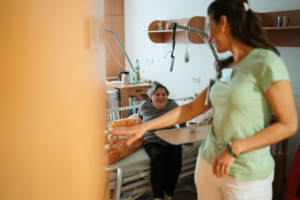

Going through surgery requires physical strength, but the recovery period demands a different kind of resilience, especially when you’re healing alone. The thought of having no family support after surgery can feel more stressful than the procedure itself. You might worry about who will be there to help you get out of a chair, prepare a simple meal, or just offer a reassuring word when you’re feeling vulnerable. Being alone doesn’t mean you have to handle everything by yourself. With the right preparation, you can build a reliable support system that provides both practical assistance and emotional comfort. This article will show you how to create that network, ensuring you have everything you need to rest, heal, and regain your strength with confidence.
Key Takeaways
- Proactive planning is essential: A smooth healing process begins long before your surgery. Prepare your home to be a safe, accessible space, stock up on essentials, and arrange transportation ahead of time to reduce stress and allow you to focus on rest.
- A support system is more than just family: You can build a reliable network even if you live alone. Be specific when asking friends for help, explore local community programs, and use technology to stay connected with loved ones and combat isolation.
- Professional care provides peace of mind: Hiring a caregiver is a smart decision to protect your health and independence. This dedicated support ensures daily needs are met safely, preventing setbacks and giving both you and your family confidence in your recovery.
The Reality of Recovering from Surgery Alone
Going through surgery is a major event, and the recovery period that follows is just as important as the procedure itself. When you don’t have family nearby to help, the path to healing can feel a bit more complicated. It’s not just about resting; it’s about managing your daily life when your body isn’t at 100%. Facing this alone requires a solid plan to handle the physical, emotional, and logistical challenges that will come up.
Thinking through these realities ahead of time isn’t meant to be overwhelming. Instead, it’s about empowering yourself to create a safe and comfortable environment for your recovery. By understanding what to expect, you can put a support system in place—whether that’s through friends, community resources, or professional caregivers—that allows you to focus completely on getting better. With the right preparation, you can recover safely and confidently in the comfort of your own home.
Physical and Mobility Hurdles
After surgery, your body needs time to heal, and your doctor will give you specific instructions to follow. These often include restrictions on lifting, pushing, or pulling anything heavy, which can make everyday tasks surprisingly difficult. Simple things you normally do without a second thought—like cooking a meal, taking a shower, getting dressed, or even just getting out of a chair—can become significant challenges. Your mobility might be limited for days or even weeks. This can make it tough to do laundry, go grocery shopping, or clean your home. Trying to do too much too soon can lead to setbacks or injuries, delaying your recovery. Recognizing these physical hurdles is the first step in planning for the help you’ll need.
The Emotional Toll of Isolation
Recovering from surgery can be an emotional experience, and doing it alone can amplify feelings of loneliness and anxiety. It’s completely normal to feel vulnerable or a little scared when you’re not feeling your best. Having someone to talk to, share a cup of tea with, or just sit with you while you watch a movie can make a world of difference for your mental well-being. Emotional support is a vital part of the healing process. Without that regular social interaction, it’s easy to feel isolated, which can impact your mood and even your motivation to stick with your recovery plan. This is where companion care can be so valuable, providing not just practical help but also a friendly face and reassuring presence when you need it most.
Managing Daily Logistics
Beyond the physical and emotional aspects, there are practical logistics to sort out. You’ll likely have follow-up appointments with your doctor, but you may not be cleared to drive. Arranging transportation ahead of time is essential. You’ll also need to manage your medications, which might involve a complex schedule of different pills to be taken at specific times. Then there are the daily household needs: preparing nutritious meals to aid healing, keeping your space clean and tidy, and running errands. Planning for these tasks is crucial. Professional post-surgery care can handle these logistics for you, from meal preparation and light housekeeping to making sure you get to your appointments, allowing you to rest without worry.
How to Prepare for a Smooth Recovery
A successful recovery begins long before your surgery date. Taking the time to plan ahead can make a world of difference, transforming a potentially stressful experience into a smooth and comfortable healing process. When you’re recovering alone, this preparation becomes even more critical. It’s about creating an environment that supports your physical needs while also giving you the peace of mind to focus completely on getting better. Think of it as setting the stage for your own well-being, where every detail is considered to make your life easier.
By tackling logistics like meals, transportation, and home safety in advance, you eliminate the need to scramble for solutions when you’re feeling tired and vulnerable. This proactive approach allows you to rest without worry, knowing that everything you need is already in place. From arranging your living space for easy movement to ensuring your pantry is full, each step you take is an investment in your health. It’s about empowering yourself to handle the recovery period with confidence. Professional post-surgery care can fill in any gaps, providing the dedicated support you need to recover safely and comfortably in your own home, so you never truly feel alone.
Create a Recovery-Ready Home
Your home should be your sanctuary, especially after surgery. Start by looking at your space through the lens of recovery. If possible, set up your primary living area on one floor to avoid stairs. Clear all pathways of potential hazards like loose rugs, electrical cords, and clutter to reduce the risk of a fall. It’s also wise to rearrange furniture to create wider, more open walkways. Place frequently used items—like the TV remote, your favorite book, and a reading lamp—on a table at waist height so you don’t have to bend or stretch. Thoughtful injury and fall prevention strategies are key to a safe recovery.
Schedule Transportation and Appointments
Getting to and from follow-up appointments, physical therapy, or the pharmacy can be a major challenge when you can’t drive. Don’t wait until the last minute to figure this out. Before your surgery, arrange all necessary transportation. This could mean scheduling rides with a medical transport service, pre-booking a rideshare, or asking a friend or neighbor for help on specific dates. Keep a calendar with all your appointments and transportation details clearly listed. For added convenience, our senior personal concierge services can help coordinate these logistics, ensuring you never miss an important check-up.
Stock Up on Essentials
The last thing you’ll want to do after surgery is go grocery shopping. A week or two before your procedure, stock your pantry and freezer with essentials. Focus on easy-to-prepare foods like soups, frozen vegetables, and single-serving meals. Cooking and freezing your own healthy meals ahead of time is a great option. Don’t forget to pick up any over-the-counter medications your doctor recommended, as well as toiletries and household supplies like paper towels and soap. Having everything on hand means you can rest easy, knowing your basic needs are covered. A dedicated home caregiver can also assist with shopping and meal preparation during your recovery.
Set Up a Comfortable Recovery Station
Create a central hub where you’ll spend most of your time resting. This could be your bed or a comfortable recliner. The goal is to have everything you need within arm’s reach. Set up a sturdy bedside table with your phone and charger, a pitcher of water, your medications, tissues, and some light entertainment like books or a tablet. This simple setup minimizes the need to get up and move around, which can be difficult and painful in the early days of recovery. It ensures your immediate needs are met, allowing you to relax and heal without unnecessary strain.
What Professional Care Options Are Available?
When you’re recovering from surgery alone, bringing in professional help is one of the smartest moves you can make. It’s not about admitting you can’t handle it; it’s about creating a safe, supportive environment that allows your body to heal properly. Trying to do too much too soon can lead to setbacks, falls, or other complications that prolong your recovery. Fortunately, there are many types of professional post-surgery care designed to meet you exactly where you are, whether you need round-the-clock support or just a few hours of help each day.
Hiring a professional caregiver gives you and your loved ones invaluable peace of mind. You get a trained, compassionate professional dedicated to your well-being, and they get the assurance that you’re safe and cared for. This is especially comforting for family members who may live far away but want to ensure you have everything you need. From help with personal hygiene to ensuring you’re eating nutritious meals, a caregiver handles the practical details so you can focus on what truly matters: resting and getting back on your feet. Let’s walk through some of the most common options so you can find the right fit for your recovery plan.
24/7 Post-Surgery Care with Live Easy
In the first few days and weeks after a procedure, having someone available around the clock can make all the difference. This is especially true after major surgery when mobility is limited and pain management is critical. With 24/7 around-the-clock care, a dedicated caregiver is always there to help you move safely, manage medications on schedule, and assist with personal tasks like bathing and dressing. This constant support minimizes the risk of falls and ensures any potential complications are addressed immediately. It’s the most comprehensive way to protect your health and ensure a smooth, worry-free recovery at home.
In-Home Aides and Assistants
If you don’t need constant supervision but could use a hand with daily activities, an in-home aide is an excellent choice. These professionals provide non-medical support to make your life easier while you heal. A home caregiver can help with everything from getting out of bed and preparing meals to light housekeeping and running errands. This practical assistance frees up your energy to focus on healing, reducing the physical strain that can hinder your recovery. You can often arrange for an aide to come for a few hours a day or several times a week, depending on your specific needs.
Specialized Medical and Therapy Support
Your doctor is your best resource for understanding the specific medical needs of your recovery. They might recommend skilled nursing for tasks like wound care or administering injections. They may also prescribe physical or occupational therapy to help you regain strength, mobility, and independence. While Live Easy Home Care provides non-medical support, our caregivers are experienced in working alongside medical professionals. They can help you stick to your therapy exercises, provide transportation to appointments, and ensure your home environment supports the recommendations from your healthcare team.
Help with Meals and Housekeeping
The simple act of making a meal or tidying up can feel like a monumental task after surgery. Yet, proper nutrition is vital for healing, and a clean home is essential for safety and mental well-being. A caregiver can take these burdens off your plate entirely. Our companion care services include meal planning and preparation, grocery shopping, and light housekeeping to keep your home safe and comfortable. This support ensures you’re eating nutritious food and resting in a clean, organized space without having to lift a finger.
Build Your Support System from the Ground Up
A support system doesn’t have to mean immediate family living under the same roof. It’s about creating a reliable network of people and resources you can count on as you heal. Even if you live alone or your family is far away, you can intentionally build a circle of support to see you through recovery. This network can include friends, neighbors, community groups, and professional caregivers. The key is to be proactive and start putting these pieces in place long before your surgery date. Think of it as assembling your personal recovery team, with each member playing a specific role.
This team can provide everything from a friendly phone call to practical help with errands and meal preparation. When you have a plan, you can focus your energy on healing instead of worrying about who will help you with daily tasks. A well-rounded support system is a cornerstone of a successful recovery, providing both practical assistance and the emotional encouragement you need to stay positive. Professional services, like dedicated post-surgery care, can serve as the anchor for this system. Having an expert caregiver in place ensures your essential needs are met, giving you the stability to coordinate help from friends and community members without feeling overwhelmed.
Ask Friends and Neighbors for Specific Help
People in your life often want to help, but they don’t always know how. Instead of a general “I’ll need some help,” be specific with your requests. Ask a neighbor if they could bring in your mail for the first week, or ask a friend if they can call to check on you each evening. You might ask someone to pick up a few groceries or a prescription for you. Creating a simple schedule or a list of small, manageable tasks makes it easier for people to say yes. Even if no one is living with you, having friends or neighbors who can provide companionship with a quick visit or phone call can make a huge difference in your emotional well-being.
Connect with Community Programs
Your local community is often full of untapped resources. Senior centers, faith-based organizations, and local non-profits frequently offer programs designed to support residents. These can range from volunteer drivers who can take you to follow-up appointments to meal delivery services that ensure you’re getting proper nutrition without having to cook. Don’t hesitate to reach out to these groups before your surgery to see what services are available. A great starting point is the Eldercare Locator, a public service that connects you to services for older adults and their families. These programs are designed to foster independence and can be a lifeline when you’re recovering on your own.
Find Your People in Online Groups
In today’s connected world, support is often just a click away. Online communities can be a fantastic source of emotional support and practical advice from people who have been through similar experiences. Websites like Nextdoor or local Facebook groups can connect you with neighbors who might be willing to help with small errands. You can also find forums and support groups dedicated to specific surgeries or health conditions. These spaces allow you to ask questions, share your progress, and simply connect with others who understand what you’re going through. While it’s important to be cautious with personal information, these digital communities can help combat feelings of isolation.
Use Technology to Stay Connected
Technology can be a powerful ally during your recovery, helping you stay safe and connected to your support network and healthcare team. Telehealth appointments allow your doctor to check on your progress through a virtual visit, saving you the stress of traveling. Medication reminder apps on your phone can ensure you stay on schedule, while remote monitoring devices can provide peace of mind. You can also use video calls to stay in touch with friends and loved ones, which is crucial for your mental health. Integrating these tools can make managing your recovery at home much easier and safer, especially when you have a professional caregiver who can help you manage these technologies and your daily schedule.
Essential Tools to Aid Your Recovery
Modern technology and simple assistive devices can make a world of difference when you’re recovering alone. These tools aren’t just about convenience; they’re about creating a safe, supportive environment that helps you heal properly and maintain your independence. Think of them as your temporary support system, filling in the gaps and making each day a little easier. From smartphone apps that keep you on schedule with medication to simple grabbers that save you from a painful bend, these resources are designed to reduce physical strain and mental stress.
By planning ahead and incorporating a few key resources into your recovery plan, you can confidently manage your health, stay safe at home, and remain connected to your support network, even when they can’t be there in person. This proactive approach empowers you to take control of your healing journey. It’s about anticipating your needs and putting solutions in place before you’re in a position where you feel vulnerable or overwhelmed. Having the right tools on hand means you can focus your energy where it matters most: on resting and recuperating. It’s a practical strategy that provides both physical support and invaluable peace of mind.
Medication Reminder Apps
Keeping track of medications after surgery can be overwhelming, especially when you’re dealing with pain and fatigue. A simple mistake could set back your recovery. This is where medication reminder apps on your smartphone or tablet become invaluable. These apps can be programmed with your specific schedule, sending you alerts for each dose so you never miss one. Many also track when you’ve taken your medication, creating a helpful log for your doctor. While a friendly call from a neighbor is always welcome, an app provides a reliable, consistent backup to ensure you stay on track with your treatment plan.
Assistive Devices for Daily Living
Your home can present unexpected challenges when your mobility is limited. Simple tools can make daily activities safer and much less strenuous. Think about items like a long-handled grabber to pick things up without bending, a shower chair and handheld showerhead for safe bathing, or a raised toilet seat to reduce strain. Setting up a “recovery station” on your main floor with everything you need—water, snacks, phone, and medications—minimizes unnecessary trips. These devices are fundamental to injury and fall prevention, allowing you to focus your energy on healing rather than struggling with your environment.
Local Emergency and Community Services
Before your surgery, take some time to research local resources that can offer support. Many communities have services you may not even know about. Look into local senior centers, faith-based groups, or non-profits that might provide volunteer visitors or meal delivery. It’s also wise to create a safety checklist with all your important contacts in one place: your doctor, pharmacy, emergency contacts, and trusted neighbors. Having this information readily available provides immense peace of mind. A professional caregiver or a personal concierge can also help you identify and coordinate these valuable community services.
Telehealth for Remote Check-ins
Getting to a follow-up appointment can be a major hurdle after surgery. Telehealth makes it possible to connect with your doctor or therapist from the comfort of your home. These virtual visits are perfect for routine check-ins, reviewing symptoms, or asking questions without the stress and discomfort of travel. This technology allows your healthcare team to monitor your progress closely and adjust your care plan as needed. When combined with hands-on support from an in-home caregiver, telehealth becomes a powerful tool, ensuring you receive comprehensive and continuous post-surgery care throughout your recovery.
Nurture Your Mental and Emotional Health
Recovering from surgery is more than just a physical process. When you’re on your own, the emotional side of healing can feel just as challenging. Feelings of anxiety, loneliness, and even frustration are completely normal, but you don’t have to let them take over. Prioritizing your mental and emotional well-being is a critical part of a successful recovery. It’s about creating a sense of calm, connection, and control in a situation that can often feel overwhelming.
Taking small, intentional steps to care for your mind can make a world of difference in how you feel day-to-day. It helps you stay positive, motivated, and resilient through the ups and downs of healing. Think of it as another essential part of your treatment plan. Just as you care for your incision site, you also need to care for your spirit. Having a plan for emotional support, whether through friends, community, or professional 24/7 care, ensures you’re never truly alone on your journey back to health.
Develop Coping Strategies for Anxiety
It’s natural to feel anxious after surgery, especially when you’re alone. Your mind might race with “what ifs,” or you may worry about every new ache or pain. Instead of letting these thoughts spiral, create a plan to manage them. Simple breathing exercises or listening to a guided meditation can help calm your nervous system. Even if no one is living with you, ask friends or neighbors to call and check in on you at specific times. Knowing someone will be reaching out can provide a comforting sense of security. A scheduled chat gives you something to look forward to and breaks up long stretches of solitude, making your recovery feel less isolating.
Establish a Simple Daily Routine
When your normal life is on hold, a simple routine can be an incredibly grounding force. It provides structure and predictability, helping you regain a sense of control. Your routine doesn’t need to be complicated. It can be as simple as waking up at the same time each day, eating meals on a regular schedule, and setting aside time for both rest and light activity. Practice healthy habits by drinking plenty of water and eating well. Keep your mind engaged with activities you enjoy, like reading, doing puzzles, or watching a favorite movie series. This gentle rhythm helps the days feel more manageable and purposeful.
Know When It’s Time to Ask for Help
Being independent is important, but recovery is not the time to push your limits. It’s crucial to recognize when you need support and to ask for it without hesitation. Before you even leave the hospital, make sure you have a clear list of symptoms that require a call to your doctor, such as signs of an infection. If you find you can’t properly care for yourself or manage your daily needs, it’s time to bring in reinforcements. Arranging for professional post-surgery care can provide the peace of mind that you’re healing safely. A trained caregiver can handle the tasks you can’t, ensuring you can focus completely on getting better.
Maintain Your Social Connections Virtually
Physical distance doesn’t have to mean social isolation. Technology offers wonderful ways to stay connected with your support system and the wider world. Schedule regular video calls with family and friends to see friendly faces and share updates. You can also reach out to community organizations, faith groups, or local senior centers, as many offer virtual programs and friendly check-in calls. Engaging with others, even from your couch, can lift your spirits and remind you that you’re part of a community. For daily interaction, companion care can also fill the gap, providing friendly conversation and a reassuring presence right in your home.
Related Articles
- How to Prepare for Surgery Recovery: A Checklist
- 5 Reasons You Need Help 24 Hours After Surgery
- Post-Surgery Home Care: What to Expect and How to Prepare – Live Easy Cares
- Post-Surgery Recovery: How 24-Hour Home Care Can Speed Up Healing – Live Easy Cares
Frequently Asked Questions
When is the best time to arrange for professional post-surgery care? The ideal time to set up care is before your surgery date. Planning ahead allows you to meet with the care provider, create a personalized plan, and have everything in place the moment you return home. This proactive approach removes any last-minute stress, so you can enter your surgery feeling confident that your recovery is already in good hands.
What if I only need help for a few hours a day instead of 24/7? Professional home care is flexible and can be tailored to your specific needs. While some people require around-the-clock support immediately after a major procedure, many find that a few hours of help each day is perfect. A caregiver can come in to assist with meals, personal hygiene, and light housekeeping, giving you the support you need to heal safely without committing to full-time care.
Can a caregiver help with things like changing bandages or giving shots? Our caregivers provide non-medical support, which means they focus on personal care, companionship, and household tasks to make your recovery easier. They do not perform medical duties like wound care or administering injections. However, they work seamlessly alongside visiting nurses or therapists to ensure you follow your prescribed medical plan, get to appointments, and have a safe environment for healing.
My family lives out of state. How does in-home care help them feel connected and assured? Having a professional caregiver in place provides immense peace of mind for family members who can’t be there in person. They can rest easy knowing you have a trained and compassionate professional looking after your safety and well-being. Caregivers can also provide regular updates to the family, serving as a reliable point of contact and ensuring everyone stays informed about your progress.
Besides physical help, how does a caregiver support emotional well-being during recovery? Recovering alone can feel isolating, and a caregiver’s role often extends beyond physical tasks. They provide companionship, engaging in friendly conversation, sharing a meal, or simply offering a reassuring presence. This consistent social interaction can greatly reduce feelings of loneliness and anxiety, helping you stay positive and motivated throughout your healing process.