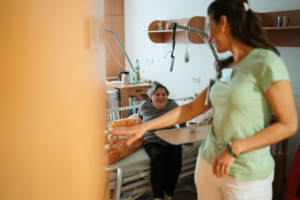
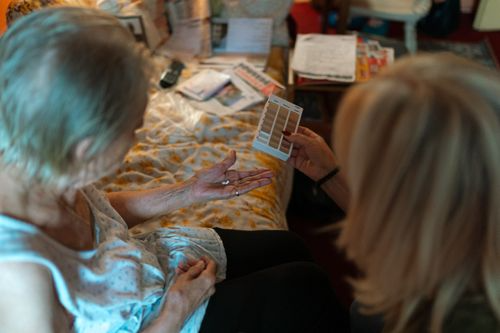
Dementia affects millions of families across the United States. According to the Alzheimer’s Association, more than 7 million Americans are currently living with Alzheimer’s disease, the most common form of dementia. That number continues to grow as the population ages. For families, the diagnosis often brings fear, uncertainty, and many difficult questions.
One of the biggest concerns is how to keep a loved one safe while preserving comfort and dignity. Many seniors living with dementia experience memory loss, confusion, anxiety, and changes in behavior. Simple daily activities can become challenging. Familiar tasks may suddenly feel overwhelming. As symptoms progress, concerns about wandering, falls, and personal safety often increase.
Practical dementia care at home allows seniors to remain in an environment filled with memories, routines, and people they know.
Creating a safe and familiar home environment requires planning and ongoing attention. Small adjustments can make a significant difference in reducing confusion, anxiety, and unsafe behaviors. When combined with professional support such as 24-hour home care, these changes can improve the quality of life for both seniors and their families.
Why Familiarity Matters in Dementia Care
Dementia affects memory, thinking, judgment, and the ability to process information.
As the condition progresses, new environments often create additional confusion. A senior may struggle to understand where they are. Unfamiliar surroundings can increase fear, frustration, and disorientation.
Home provides a sense of stability.
Even when memory declines, many seniors continue to connect with familiar rooms, furniture, photographs, and routines. These familiar elements help reduce anxiety and support emotional well-being.
This is one reason Dementia Care at Home has become such an important part of modern senior care. It allows seniors to remain connected to the environment that feels safest to them.
Is Your Loved One Safe Living at Home with Dementia?
Professional in-home dementia care can provide the supervision, structure, and compassionate support needed to help your loved one stay safe and comfortable in familiar surroundings.
- Experienced dementia caregivers
- Customized care plans
- 24/7 support available
Understanding Common Challenges
Before making changes to the home, families should understand the challenges dementia often creates.
Common concerns include:
- Memory loss
- Confusion about time and place
- Wandering
- Anxiety
- Sleep disturbances
- Difficulty completing daily tasks
- Changes in judgment
- Increased fall risk
Each person experiences dementia differently. Some challenges appear early. Others develop over time.
The goal is not to control every situation. The goal is to create an environment that supports safety, comfort, and independence as much as possible.
Create Consistent Daily Routines
Routine plays an important role in dementia care.
Predictability helps reduce confusion. When daily activities happen at consistent times, seniors often feel more secure.
Try to maintain regular schedules for:
- Waking up
- Meals
- Medication reminders
- Exercise
- Personal hygiene
- Bedtime
Consistency helps reduce stress and supports a greater sense of control.
Even simple routines can provide reassurance throughout the day.
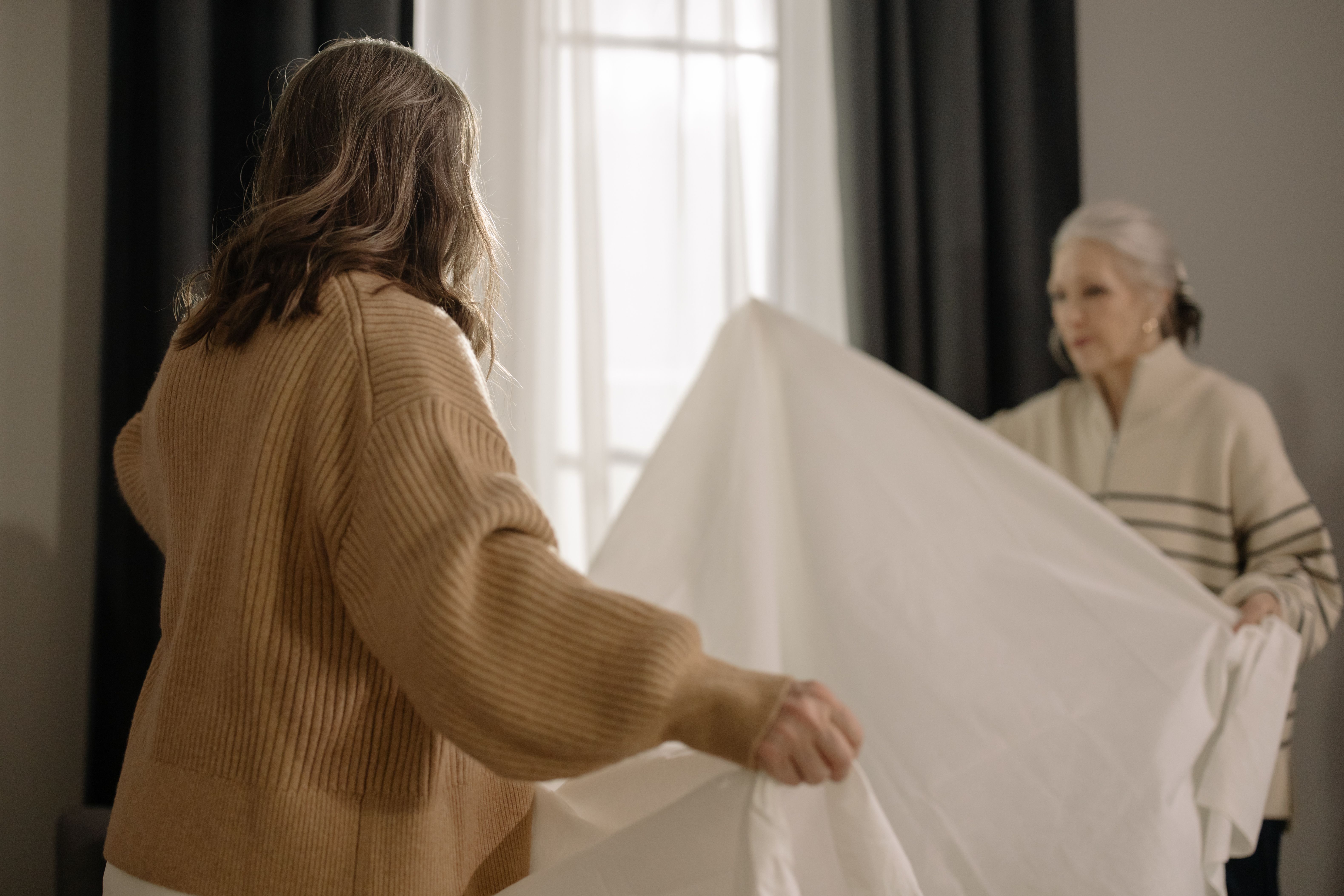
Reduce Clutter and Simplify Spaces
Too much visual information can overwhelm someone living with dementia.
Busy rooms may make it harder to find important items or complete simple tasks.
Consider simplifying the home by:
- Removing unnecessary furniture
- Keeping walkways clear
- Organizing frequently used items
- Reducing excess decorations
- Keeping countertops clean
A simpler environment often feels calmer and easier to manage.
It also reduces tripping hazards and supports safer movement throughout the home.
Improve Lighting Throughout the Home
Poor lighting can increase confusion and fear.
Shadows sometimes appear threatening to seniors living with dementia. Dim spaces may also increase fall risks.
Good lighting can help by:
- Brightening hallways
- Illuminating stairways
- Using nightlights
- Opening curtains during the day
- Improving visibility in bathrooms
Natural light may also support healthier sleep patterns and help maintain a better sense of time during the day.
Use Labels and Visual Cues
Memory loss can make everyday tasks more difficult.
Simple labels often help seniors identify important rooms and items.
Examples include:
- Labels on drawers
- Signs on bathroom doors
- Labels for kitchen cabinets
- Picture cues for frequently used items
Visual reminders support independence and reduce frustration.
The goal is to make daily activities easier without creating unnecessary stress.
Prevent Wandering Behaviors
Wandering is one of the most concerning behaviors associated with dementia.
A senior may leave home searching for a familiar place, attempting to complete a routine from the past, or simply because they feel confused.
To reduce wandering risks:
- Install door alarms
- Keep doors secured
- Use motion sensors when appropriate
- Maintain regular activity during the day
- Keep identification available
It is also helpful to learn potential triggers.
Some seniors wander when they feel bored, anxious, restless, or confused.
Addressing these underlying concerns may reduce wandering incidents.
For seniors with significant wandering risks, 24-hour home care can provide continuous supervision and support.

Create a Calm Environment
Stress can worsen dementia symptoms.
Loud noises, crowded rooms, and frequent interruptions often increase confusion.
Families can create a calmer environment by:
- Limiting background noise
- Turning off unnecessary televisions
- Speaking clearly
- Maintaining a peaceful atmosphere
- Avoiding sudden changes
A calm home often helps seniors feel more secure and less overwhelmed.
Support Independence Whenever Possible
Many families want to help with every task. While support is important, maintaining independence also matters.
Allowing seniors to participate in daily activities helps preserve confidence and self-worth.
Simple examples include:
- Folding laundry
- Setting the table
- Watering plants
- Choosing clothing
- Assisting with meal preparation
These activities provide a sense of purpose and engagement.
Dementia care should focus on supporting abilities rather than taking over every responsibility.
Make the Bathroom Safer
Bathrooms present several safety concerns.
Wet surfaces increase fall risks. Confusion can also make personal care more challenging.
Safety improvements may include:
- Grab bars
- Non-slip mats
- Raised toilet seats
- Improved lighting
- Clearly marked toiletries
These adjustments support both safety and independence.

Monitor Kitchen Safety
The kitchen can become dangerous as dementia progresses.
Seniors may forget that appliances are running. They may leave food cooking unattended.
Helpful safety measures include:
- Automatic shut-off devices
- Removing hazardous items
- Monitoring appliance use
- Organizing commonly used items
Some families choose to limit access to certain appliances while still encouraging participation in safe kitchen activities.
Use Familiar Objects and Personal Items
Personal belongings provide comfort.
Family photographs, favorite blankets, treasured keepsakes, and familiar furniture often help reduce anxiety.
These items serve as emotional anchors.
They help seniors feel connected to their identity and personal history.
In-home memory care programs often encourage the use of familiar objects because they can promote comfort and emotional stability.
Encourage Physical Activity
Physical activity benefits both physical and cognitive health.
Simple activities may include:
- Walking
- Stretching
- Gardening
- Light household tasks
Regular movement can improve mood, support sleep, and reduce restlessness.
Activities should match the individual’s abilities and comfort level.
Support Healthy Sleep Habits
Sleep problems are common in dementia.
Many seniors experience increased confusion during evening hours. Others wake frequently during the night.
Helpful strategies include:
- Maintaining consistent bedtimes
- Encouraging daytime activity
- Limiting daytime naps
- Providing adequate lighting during the day
- Creating a relaxing bedtime routine
Good sleep often contributes to improved mood and reduced anxiety.
The Role of Professional In-Home Support
Family caregivers often carry significant responsibilities.
Over time, managing dementia care can become physically and emotionally demanding.
Professional caregivers can provide valuable support through:
- Daily assistance
- Safety monitoring
- Meal preparation
- Activity support
- Medication reminders
- Emotional reassurance
As needs increase, families may consider In-Home Memory Care services to provide specialized support while allowing seniors to remain at home.
For individuals with advanced needs, 24-hour home care may provide additional safety and peace of mind.
Why Dementia Care at Home Benefits Families
Dementia affects entire families, not just the person receiving the diagnosis.
Family members often experience stress, worry, and caregiver fatigue.
Dementia care at home can ease some of these pressures.
Professional support helps families focus more on spending meaningful time together rather than managing every aspect of care alone.
This often improves the quality of life for everyone involved.
Affordable Care Options Are Available
Many families worry about costs.
Fortunately, affordable senior care options may be available depending on a family’s needs and circumstances.
Home-based support can often provide flexibility while helping seniors remain in familiar surroundings.
Care plans can be adjusted as needs change, making support more manageable over time.
Final Thoughts
Dementia creates challenges that affect memory, safety, and daily life. However, the right environment can make a meaningful difference.
Practical dementia care at home allows seniors to remain surrounded by familiar people, possessions, and routines. Small adjustments throughout the home can reduce confusion, anxiety, and wandering behaviors while supporting comfort and dignity.
When families combine these practical strategies with professional senior care services such as 24-hour home care, they create a safer and more supportive environment for their loved ones.
The goal is not simply to manage symptoms. The goal is to help seniors live each day with greater comfort, confidence, and peace of mind in the place they know best.
Create a Safer, More Comfortable Home for a Loved One with Dementia
A familiar environment can reduce confusion, promote comfort, and improve daily routines for individuals living with dementia. Our compassionate caregivers provide personalized support that helps your loved one remain safe at home.
- Specialized dementia care
- Safe and familiar surroundings
- Personalized daily support
Consult Live Easy Home Care for Affordable Live-In Care in NJ
At Live Easy Home Care, we provide compassionate dementia care at home designed to help seniors remain safe, comfortable, and supported in familiar surroundings. Our caregivers assist with daily routines, safety monitoring, and 24-hour home care in Alpine, Demarest, Franklin Lakes, Fort Lee, Mahwah, Ridgewood, etc., when needed.
We are committed to delivering affordable senior care that supports both seniors and their families. Contact Live Easy Home Care today to learn how we can help your loved one enjoy greater comfort and peace of mind at home.