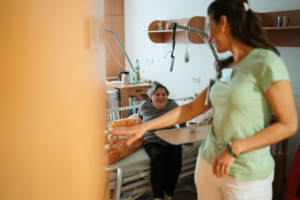

Arranging professional home care is about finding a trustworthy partner to be your eyes and ears when you can’t be there. A major part of that trust involves managing your loved one’s daily medication routine. For many adult children juggling their own careers and families, the hope is to find someone who can take this critical task off their plate. This naturally brings up the question, can a caregiver give medications? While the answer is no, their role is far from passive. A professional home caregiver is trained to be an essential part of the medication safety team. They provide the structure, reminders, and observation that ensure a health plan is followed correctly. This article will explain the clear boundaries of their role and show you how to build a safe, collaborative system for medication management.
Key Takeaways
- Clarify Your Caregiver’s Role: A non-medical caregiver is a supportive partner, not a nurse. Their job is to provide reminders and help with containers, but they cannot administer medications, ensuring all medical tasks are handled by a licensed professional.
- Organize for Safety and Simplicity: Use a weekly pill organizer and a clear, written schedule as your foundation. This simple system empowers your caregiver to provide accurate reminders and helps prevent dangerous medication errors.
- Partner with Your Caregiver Through Communication: Foster a strong partnership by encouraging your caregiver to share observations about side effects or changes in behavior. Regular check-ins ensure the care plan stays up-to-date and everyone is working together for your loved one’s safety.
Caregiver Medication Rules: What You Need to Know
When you’re arranging care for a loved one, one of the biggest questions that comes up is how medications will be handled. It’s a valid concern, and understanding the rules is key to ensuring everyone’s safety. The most important distinction to know is that non-medical caregivers can assist with medications, but they cannot administer them. This might sound like a small difference in wording, but it defines a crucial professional boundary.
So, what does that mean in practice? Our home caregivers are trained to support your loved one’s independence and safety by helping them stick to their medication schedule. This support includes tasks like:
- Providing timely verbal reminders to take medications.
- Reading the instructions on the label aloud.
- Opening pill bottles, blister packs, or other containers that may be difficult for them to manage.
- Bringing them their pre-filled pill organizer and a glass of water.
However, a caregiver cannot physically place medication into your loved one’s mouth or hand. They also cannot be the one to sort pills from pharmacy bottles into a weekly organizer; that task must be handled by the client, a family member, or a licensed nurse. These rules are not just company policy—they are an industry-wide standard designed to keep clients safe and ensure care remains both ethical and legal. By focusing on reminders and support, caregivers help maintain routines without crossing into the role of a medical professional.
What Medication Support Can a Caregiver Provide?
Understanding the line between medical and non-medical care is key to a successful home care partnership. While caregivers are not licensed to administer medications, they play a vital, supportive role in ensuring your loved one follows their prescribed regimen safely and consistently. Think of them as an essential part of the medication management team, providing hands-on assistance that respects legal and professional boundaries. This support is fundamental to helping seniors maintain their health and independence at home. From simple reminders to being an extra set of eyes and ears, a professional home caregiver provides peace of mind by making sure medication routines stay on track.
Reminding and Organizing Medications
One of the most valuable things a caregiver can do is provide timely medication reminders. For seniors managing multiple prescriptions, each with its own schedule, it’s easy to lose track. A caregiver can gently prompt your loved one when it’s time to take their pills, ensuring doses aren’t missed or accidentally doubled. They can also help keep track of inventory and remind you or your loved one when it’s time to call the pharmacy for a refill. This consistent support is especially crucial for individuals with memory challenges, making it a cornerstone of effective dementia and Alzheimer’s care. This simple but structured routine helps prevent health complications and provides stability throughout the day.
Opening Containers and Reading Labels
Physical limitations can make managing medications a daily struggle. Arthritis can make it difficult to open child-proof pill bottles, and declining eyesight can turn reading tiny prescription labels into an impossible task. A caregiver can step in to help with these physical aspects of medication management. They are permitted to open containers, pop pills out of blister packs, and read dosage instructions aloud to ensure your loved one is clear on what they need to take. This practical assistance removes daily frustrations and reduces the risk of medication errors, helping to prevent adverse effects like dizziness that could lead to a fall.
Observing and Reporting Side Effects
Because caregivers spend so much time with their clients, they are in a unique position to notice subtle changes in health or behavior. While they cannot diagnose or offer medical advice, they can observe and report potential medication side effects to you or the designated family contact. For instance, if a new medication seems to be causing drowsiness, confusion, or loss of appetite, the caregiver can document these changes and alert you promptly. This makes them an invaluable communication link between your family and your loved one’s medical team, a key benefit of 24/7 around-the-clock care. This vigilance ensures that any concerns are addressed quickly by a healthcare professional.
What Medication Tasks Are Off-Limits for Caregivers?
While a professional caregiver is an essential part of your loved one’s support system, it’s important to understand the clear boundaries that exist to ensure their safety and well-being. Non-medical caregivers are not licensed nurses, and their role has specific limitations designed to protect everyone involved. Knowing what a caregiver cannot do is just as important as knowing what they can. These rules aren’t meant to be restrictive; they are in place to guarantee your family member receives the correct level of care from the right professional. This distinction is fundamental to maintaining a high standard of safety and preventing potentially dangerous medication errors. For families, understanding these boundaries provides peace of mind, knowing that a loved one’s health is being managed responsibly. When you hire professional home caregivers, you can trust they are trained to operate within these crucial guidelines. They become a vital part of the care team, working alongside your family and medical professionals to provide the best support possible without overstepping their professional scope.
Administering Medication Directly
The most critical rule to understand is that non-medical caregivers can assist with medication, but they cannot administer it. What’s the difference? Assisting means they can bring your loved one their pre-sorted pill organizer, open a bottle, or read the label aloud. Administering, on the other hand, involves tasks like physically placing a pill in someone’s mouth, applying medicated cream, or dispensing eye drops. A caregiver cannot move pills from one container to another or make any judgment about the medication itself. This rule is a strict legal and safety standard for the home care industry. It ensures that only the client or a licensed medical professional is responsible for the final step of taking the medication, preventing any risk of error.
Handling Injections or IVs
Any task that involves breaking the skin or managing sterile medical equipment is firmly outside the scope of a non-medical caregiver. This includes giving injections, such as insulin shots, or managing intravenous (IV) lines. Caregivers are not permitted to touch IVs, change the flow rate of fluids, or handle any related equipment. Similarly, complex medical tasks like tracheostomy care, managing catheters, or performing wound care that requires a sterile technique are reserved for licensed nurses or other medical professionals. These procedures require specialized clinical training to be performed safely and effectively. While a caregiver provides essential hands-on support with daily life, these specific medical duties must be handled by someone with the appropriate credentials.
Changing Dosages or Making Medical Decisions
A caregiver’s role is to follow the established care plan, not to create or alter it. They cannot make any medical judgments, which includes changing a medication dosage, even if a client seems to be feeling better or worse. For instance, they can’t decide to skip a dose of pain medication or give an extra pill if your loved one requests it. Diagnosing new symptoms, interpreting lab results, or suggesting changes to the medication schedule are all responsibilities that belong to a doctor or nurse. This is especially critical in complex situations like dementia and Alzheimer’s care, where changes in behavior could be misinterpreted. The caregiver acts as an observer, reporting changes to the family and medical team, but never making medical decisions independently.
How Do Caregivers Help with Medications in Dementia Care?
Managing medications for a loved one with dementia presents a unique set of challenges. Forgetfulness, confusion, or even resistance can turn a simple daily task into a source of stress for the whole family. This is where professional in-home support becomes invaluable. While non-medical caregivers cannot legally administer medications, they play a crucial role in ensuring a safe and consistent routine. Their support is a cornerstone of effective dementia and Alzheimer’s care, helping your loved one stick to their prescribed regimen.
A caregiver’s primary function is to provide reminders and assistance. They can bring your loved one their pre-sorted pill organizer at the scheduled time, open the container, and offer a glass of water. This simple act of support removes the burden of remembering from your loved one and ensures they don’t miss a critical dose. By creating a predictable daily structure, a caregiver helps reduce anxiety and confusion, making medication time a calm and cooperative part of the day rather than a point of conflict. This consistent oversight provides peace of mind, knowing someone is there to keep things on track.
Special Considerations for Memory Care
When assisting someone with memory loss, a caregiver’s approach is just as important as the task itself. People with dementia may not understand why they need to take medication, or they might forget they’ve already taken it and ask for it again. A trained caregiver understands how to respond with patience and gentle redirection. They use simple, clear language and a calm demeanor to guide your loved one without causing frustration.
Beyond reminders, a key part of their role is observation. A caregiver is uniquely positioned to notice subtle changes in behavior, mood, or physical health that could be side effects of a medication. Because they spend significant time with your loved one, they can spot things you might miss during a short visit. This information is vital for doctors and can lead to important adjustments in the care plan. Ensuring medication compliance is about more than just taking pills; it’s about monitoring their effects to protect your loved one’s overall well-being.
Following Safety Protocols for Dementia
Safety is the top priority in medication management, especially in dementia care. Professional caregivers operate within a strict framework designed to prevent errors. It all starts with a detailed care plan, developed in collaboration with you and your loved one’s healthcare team. This plan clearly outlines the medication schedule, what assistance is needed, and who to contact with questions. The caregiver’s job is to follow this plan to the letter.
Our professional caregivers are trained to document everything meticulously. They keep a log of when reminders were given and how your loved one responded, noting any issues like refusal or difficulty swallowing. This creates a transparent record that the family and medical team can review. Strong communication is also essential. The caregiver provides regular updates, ensuring you are always aware of how things are going. This partnership between the caregiver and the family is fundamental, as research shows that engaging family caregivers in the process leads to safer and more effective medication management at home.
How to Communicate Medication Needs to Your Caregiver
Clear and consistent communication is the cornerstone of a safe and effective care plan, especially when it comes to medication. While non-medical caregivers can’t administer medications, they play a vital role in providing reminders and monitoring for any changes. Setting up a simple, straightforward system from day one ensures everyone is on the same page and helps prevent dangerous mistakes. Think of your caregiver as a key partner in your loved one’s health. Providing them with the right information and tools empowers them to offer the best possible support. This collaborative approach not only improves safety but also builds a strong, trusting relationship between your family and the caregiver, which is essential for high-quality, long-term care. When you’re managing care from a distance or juggling a busy schedule, knowing there’s a reliable system in place can make all the difference. It transforms medication management from a source of stress into a well-managed routine, allowing you to focus on spending quality time with your loved one.
Create a Clear Medication Schedule
The first step is to create a detailed and easy-to-read medication schedule. This document should be the single source of truth for your loved one’s medication routine. Planning out what time of day they must take certain medications can improve their comfort and keep everything organized. Your schedule should include the name of each medication, the dosage, the exact time it should be taken, and any special instructions, like “take with food” or “take on an empty stomach.” Keep this list in a visible, accessible place, such as on the refrigerator or next to the pill organizer. A clear, written plan removes guesswork and helps your home caregiver provide accurate and timely reminders.
Establish Open Lines of Communication
Effective medication support relies on open dialogue. From the beginning, create an environment where your caregiver feels comfortable asking questions or voicing concerns. Clear communication between caregivers, your loved one, and your family ensures everyone is following the treatment plan and can quickly identify any changes in health status. Encourage your caregiver to report any side effects they observe or if your loved one refuses to take a medication. It’s also important for your family to ask about medication instructions, potential interactions, and side effects so you can pass that information along. A shared notebook or a dedicated group text can be a great way to keep everyone updated.
Schedule Regular Check-ins
Medication needs can change, so ongoing communication is essential. Don’t just create a plan and walk away; schedule regular, brief check-ins with your caregiver to review the medication schedule and discuss how things are going. This could be a quick five-minute chat at the end of their shift or a weekly phone call. These check-ins provide an opportunity to address any challenges, update the medication list after a doctor’s visit, and confirm that the system is working smoothly. For those receiving 24/7 around-the-clock care, these check-ins are crucial for ensuring seamless handoffs between caregivers. This proactive approach helps maintain a high standard of care and provides peace of mind for everyone involved.
Common Myths About Caregivers and Medication
When it comes to managing medications, there’s a lot of confusion about what a non-medical caregiver can and cannot do. Understanding these boundaries is essential for keeping your loved one safe and ensuring you’re getting the right kind of support. Let’s clear up a few common misconceptions so you can feel confident in your care plan.
Myth: Assistance is the Same as Administration
One of the most significant points of confusion is the difference between assisting with and administering medication. These terms sound similar, but in the world of home care, they have very different meanings. A caregiver can assist a client by providing reminders, opening pill bottles, reading the label aloud, or bringing them a glass of water. However, they cannot administer medication, which means they cannot physically place a pill in someone’s mouth, manage an IV, or transfer medication from one container to another. This distinction ensures that all medical tasks are handled by licensed professionals.
Myth: All Caregivers Are Medically Trained
While professional caregivers are highly trained in safety, personal care, and companionship, they are not medical professionals like nurses or doctors. The rules that limit their involvement with medication are there to protect everyone. A non-medical caregiver’s role is to provide support that makes daily life easier and safer, not to make medical judgments or perform clinical tasks. Our home caregivers are experts in providing compassionate support within these professional boundaries, ensuring your loved one’s well-being is always the top priority. This focus allows them to excel at providing personal and companion care.
Myth: The Rules Are the Same Everywhere
Medication assistance rules aren’t universal; they can vary significantly from one state to another. What’s permitted for a caregiver in one state might be different from the regulations here in New Jersey. This is why working with a reputable, local agency is so important. A professional agency understands the specific state guidelines and ensures its caregivers are trained to follow them precisely. This knowledge provides peace of mind, knowing your loved one’s senior care plan is not only supportive but also fully compliant with local regulations, preventing any legal or safety issues down the road.
When to Call in a Licensed Nurse
While professional caregivers are the heart of at-home support, their role has important boundaries designed to keep your loved one safe. They are not medical professionals, and certain tasks require the skills of a licensed nurse or other healthcare provider. Understanding this distinction is key to creating a safe and effective care plan. It ensures that your family member receives the right level of support for every need, from daily assistance to more complex medical care.
Recognizing when to bring in a skilled nurse helps you build a complete circle of care. It’s not about replacing your caregiver but rather supplementing their invaluable support with specialized medical expertise when the situation calls for it. This collaborative approach ensures all aspects of your loved one’s health are managed correctly and safely.
Signs You Need a Skilled Nurse
It’s time to call a licensed nurse when your loved one’s needs cross into the medical realm. Non-medical caregivers are not permitted to perform tasks like giving injections (including insulin), managing IVs, or handling feeding tubes. These duties require clinical training to be done safely. If your loved one’s care plan involves sterile procedures, wound care, or physical assessments that require a medical diagnosis, a skilled nurse is essential. Think of it this way: if the task is something a doctor or nurse would typically handle in a clinical setting, it falls outside a caregiver’s scope of practice. This ensures your loved one is protected and receives legally compliant dementia and Alzheimer’s care.
How to Coordinate with Medical Professionals
Great care hinges on great communication. When a licensed nurse is part of the team, it’s vital that everyone—the family, the caregiver, and the medical professionals—is on the same page. Clear and consistent updates ensure that medication is administered correctly and that the treatment plan is followed precisely. This open dialogue also helps in quickly identifying any changes in your loved one’s health status. Establishing a system for sharing information, whether through a shared logbook or regular check-in calls, creates a seamless support network. This coordination is especially important for families who have arranged 24/7 around-the-clock care, as it guarantees continuity and safety at all times.
Best Practices for Safe Medication Management at Home
Creating a safe and organized system for medication is one of the most important things you can do for your loved one. While a non-medical caregiver can’t administer medications, they are your eyes and ears at home, playing a vital role in supporting the routine. By putting a few simple practices in place, you can reduce risks, improve communication with doctors, and ensure your family member stays on track with their health plan. These strategies help create a reliable system that everyone, including your caregiver, can follow with confidence.
Use Pill Organizers and Reminder Apps
One of the easiest ways to prevent missed or incorrect doses is by using a pill organizer. A simple weekly box, sorted by day and time, provides a clear visual guide for your loved one. A caregiver can then provide a verbal prompt when it’s time to take the medication from the correct compartment. For an extra layer of support, digital reminder apps on a phone or tablet can send alerts. These tools are incredibly effective for improving medication compliance and are a cornerstone of a safe at-home care routine. They simplify the process, making it less overwhelming for seniors and easier for caregivers to provide reminders.
Keep a Log of Side Effects
A caregiver is in a unique position to observe how your loved one responds to their medications throughout the day. Ask them to keep a simple journal to track when medications are taken and to note any changes in mood, appetite, or physical condition. This log doesn’t need to be complicated—a simple notebook will do. Documenting things like dizziness, confusion, or fatigue can provide crucial information for your loved one’s doctor. This is especially important in dementia care, where a person may not be able to communicate how they are feeling. This detailed record helps physicians make informed decisions about dosages and prescriptions.
Have an Emergency Plan in Place
Even with the best planning, unexpected situations can arise. That’s why having a clear emergency plan is essential. Keep a document in an accessible place with a complete list of your loved one’s medications, dosages, doctor’s contact information, pharmacy details, and emergency contacts. Make sure your caregiver knows where this document is and what to do in case of an adverse reaction or a medication error. Clear communication and a well-defined plan are critical for preventing injuries and ensuring a swift, effective response in an emergency. This preparation gives everyone involved peace of mind, knowing that a safety net is in place.
Build a Comprehensive Medication Safety Plan
Creating a structured medication safety plan is one of the most effective ways to prevent errors and give you peace of mind. Think of it as a central playbook that you, your loved one, and their caregiver can rely on. A clear plan removes guesswork, ensures consistency, and creates a safer environment at home. It’s a collaborative document that keeps everyone on the same page, from family members to healthcare providers. By taking the time to build a thorough plan, you establish a routine that supports your loved one’s health and independence.
Assess Your Loved One’s Needs
The first step is to get a complete picture of your loved one’s medication requirements. Effective medication management requires attention to detail, organization, and clear communication with their entire healthcare team. Start by compiling a list of every prescription, over-the-counter drug, and supplement they take.
Schedule a meeting with their primary doctor or pharmacist to review this list. Ask about the purpose of each medication, the correct dosage, and potential side effects or interactions. It’s also important to consider your parent’s specific needs. Do they have difficulty swallowing pills? Are there cognitive challenges, such as those associated with dementia and Alzheimer’s care, that might affect their ability to manage their own medication schedule? Understanding these factors will help you create a plan that is both practical and safe.
Document Everything in One Place
Once you have all the information, document it in a single, accessible location. This master list is a critical tool for anyone involved in your loved one’s care. A clear, organized record helps professional home caregivers enhance medication safety and improve overall health outcomes.
Your document should include:
- The name of each medication (both brand and generic)
- The dosage and time it should be taken
- The reason for the prescription
- The name of the prescribing doctor
- Any special instructions, like whether to take it with food
- A list of known allergies
Whether you use a dedicated notebook, a digital spreadsheet, or an app, the key is to keep it updated and easy for the caregiver and other family members to find and understand.
Review and Update the Plan Regularly
A person’s health needs and medications can change over time, so your safety plan shouldn’t be a “set it and forget it” document. Plan to review and update it regularly, especially after any doctor’s appointments, hospital stays, or changes in your loved one’s condition.
Clear communication between family and caregivers is essential to ensure everyone is following the most current treatment plan. After a medical appointment, make it a priority to update the master medication list immediately. Then, take a few minutes to walk through the changes with the caregiver to confirm they understand the new instructions. This simple habit is especially vital when you have 24/7 around-the-clock care, as it guarantees a seamless and safe transition between caregivers and shifts.
Related Articles
- The Role of Medication Management in Home Care – Live Easy Cares
- The Ultimate Guide to Memory Care Home Solutions
- Your Guide to Parent Care Home Care
- The Importance of Personalized Care Plans for Seniors with Dementia – Live Easy Cares
- Home Care for Alzheimer’s Dementia: What to Expect
Frequently Asked Questions
Can a caregiver fill my parent’s weekly pill organizer? This is a great question, and the short answer is no. The act of sorting pills from pharmacy bottles into a daily organizer is considered medication administration, not assistance. Because it involves selecting specific doses, it falls outside the scope of a non-medical caregiver. This task should be handled by your loved one, a family member, or a licensed nurse to ensure complete accuracy and safety. Once the organizer is filled, our caregivers can absolutely provide reminders and bring it to your parent at the scheduled time.
What happens if my loved one refuses to take their medication? This is a common and understandable concern, especially in dementia care. A professional caregiver will never force a client to take medication. Instead, their role is to use patience and gentle encouragement. They might try again in a few minutes or offer it with a favorite snack or drink. If your loved one continues to refuse, the caregiver’s protocol is to document the refusal and report it to the designated family contact immediately so you are aware and can decide on the next steps.
Are tasks like applying medicated creams or giving eye drops allowed? No, these tasks are not permitted for non-medical caregivers. Anything that involves directly applying a substance to the body, whether it’s a medicated cream, an ointment, or eye and ear drops, is classified as medication administration. These duties must be performed by a licensed medical professional, such as a visiting nurse, to ensure they are done safely and correctly.
How does a caregiver document that medication reminders were given? Professional caregivers maintain a detailed daily log or care journal. In this log, they record the time each medication reminder was given and any important observations. For example, they will note if the medication was taken without issue or if your loved one reported feeling unwell afterward. This creates a transparent record for your family and serves as a vital communication tool between you, the caregiver, and your loved one’s medical team.
My parent’s needs are complex. Can a caregiver and a nurse work together? Absolutely. In fact, this is an ideal way to provide comprehensive support for someone with complex health needs. A non-medical caregiver can provide the essential 24/7 support with daily living, companionship, and medication reminders, while a visiting nurse can come in to handle specific medical tasks like injections, wound care, or health assessments. Our caregivers are experienced in collaborating as part of a larger care team to ensure your loved one receives seamless and complete support.