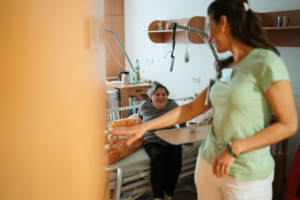

As parents grow older, most families expect some changes. A little forgetfulness. Less energy. A slower pace. These changes often seem like a normal part of aging. However, some warning signs point to a larger issue. Many seniors struggle quietly before family members realize they need additional support.
America is aging fast. According to reports, all baby boomers will be 65 years and older by 2030. As people live longer, more families face difficult decisions about safety, health, and independence.
The challenge is that many signs of decline appear gradually. They do not happen overnight. Adult children may visit once a week and miss important changes. Parents may hide difficulties because they do not want to worry their families. Some feel embarrassed about needing help. Others fear losing their independence.
As a result, families often wait until a crisis occurs. A serious fall. A medication mistake. A hospital stay. By that point, the situation may be much harder to manage.
The good news is that there are warning signs families can identify early. Knowing what to watch for can help you make informed decisions before an emergency happens. In many cases, these signs indicate that a parent may be nearing the point of needing live-in care.
Noticing Changes in Your Aging Loved One?
Small changes in daily routines, safety, or health can be early signs that extra support is needed. Live-in care provides compassionate, around-the-clock assistance while helping seniors remain safe and comfortable at home.
- 24/7 personalized care
- Enhanced safety and companionship
- Support that promotes independence
Why Early Action Matters
Many seniors want to remain in their own homes. This goal is understandable. Home provides comfort, familiarity, and emotional security. The right support can often help them stay there safely.
Live-in care services allow seniors to receive ongoing assistance without moving into a facility. A caregiver lives in the home and provides daily support based on the senior’s needs. This arrangement offers safety while helping preserve independence.
The key is knowing when additional support has become necessary.
Sign #1: Medication Mistakes Are Becoming Common
Medication management becomes more difficult with age.
Many seniors take multiple prescriptions. They may need medications at different times of the day. Missing doses or taking too much can create serious health risks.
Warning signs include:
- Unopened medication bottles
- Empty pill containers too soon
- Confusion about prescriptions
- Missed refills
- Multiple doses taken by mistake
- Frequent questions about medications
Families often discover these issues accidentally. A parent may appear healthy during visits while struggling with medications every day.
Medication errors can lead to hospitalizations, falls, and worsening medical conditions. This is often one of the earliest signs of needing live-in care.
Sign #2: Unexplained Weight Loss or Poor Nutrition
Nutrition often declines before families notice.
Cooking becomes difficult for many older adults. Grocery shopping may feel overwhelming. Some seniors lose interest in preparing meals. Others forget to eat regularly.
Look for signs such as:
- Weight loss
- Expired food in the refrigerator
- Empty cupboards
- Burned pots and pans
- Spoiled groceries
- Lack of fresh food
Poor nutrition affects energy levels, strength, immune function, and overall health. It can also increase the risk of falls and illness.
A caregiver can help ensure meals are prepared regularly and that proper nutrition remains part of daily life.

Sign #3: Frequent Falls or Near Falls
Falls are one of the leading causes of injury among older adults.
Many families only focus on falls that cause injuries. However, near falls matter just as much. They often signal declining balance, weakness, vision problems, or mobility challenges.
Watch for:
- Bruises with unclear explanations
- Furniture is being used for support
- Difficulty getting out of chairs
- Slow or unsteady walking
- Fear of moving around the home
- Reluctance to leave the house
A single fall can lead to hospitalization and long recovery periods. Seniors who experience one fall often become afraid of falling again.
When mobility concerns increase, 24-hour home care may provide the support needed to reduce risks and improve safety.
Sign #4: Changes in Personal Hygiene
Most seniors take pride in their appearance.
When grooming habits change, families should pay attention.
Possible warning signs include:
- Wearing the same clothes repeatedly
- Body odor
- Unwashed hair
- Poor dental hygiene
- Dirty laundry piling up
- Neglected personal care
These changes may result from physical limitations, memory issues, depression, or fear of falling in the bathroom.
Many parents dismiss these concerns. However, declining hygiene often signals a growing need for daily assistance.
Sign #5: The Home Is Becoming Unsafe
The condition of the home often reflects a senior’s ability to manage daily life.
Look around carefully during visits.
Warning signs include:
- Unpaid bills
- Stacks of unopened mail
- Excessive clutter
- Dirty dishes
- Missed household maintenance
- Burn marks in the kitchen
- Laundry piling up
These issues may indicate memory problems, reduced mobility, poor vision, or physical exhaustion.
Families sometimes focus only on the senior while overlooking changes in the living environment. The home often tells an important story.
Sign #6: Social Isolation Is Increasing
Many older adults spend long periods alone.
Isolation affects both physical and mental health. Social isolation is linked to depression, anxiety, memory decline, and poorer health outcomes.
Warning signs include:
- Avoiding family gatherings
- Canceling plans frequently
- Stopping favorite activities
- Rarely leaving home
- Limited contact with friends
- Increased sadness
Isolation can develop slowly. Family members may not notice it until a parent becomes withdrawn.
Live-in care provides daily interaction and support that helps seniors stay engaged and connected to everyday life.
Sign #7: Memory Problems Are Affecting Daily Activities
Occasional forgetfulness is common.
However, memory issues that interfere with daily functioning deserve attention.
Examples include:
- Missing appointments
- Forgetting important conversations
- Repeating questions frequently
- Losing important documents
- Leaving appliances on
- Getting confused about dates or times
These signs may indicate cognitive decline that requires additional supervision.
Early support can improve safety and reduce stress for both seniors and their families.
Sign #8: Health Conditions Are Becoming Harder to Manage
Chronic health conditions often become more difficult to manage with age.
Seniors may struggle to:
- Monitor symptoms
- Follow medical instructions
- Attend appointments
- Maintain treatment plans
- Track medications
When medical conditions become harder to manage, daily support may be necessary.
Affordable live-in care can help seniors maintain routines and reduce the risk of complications.
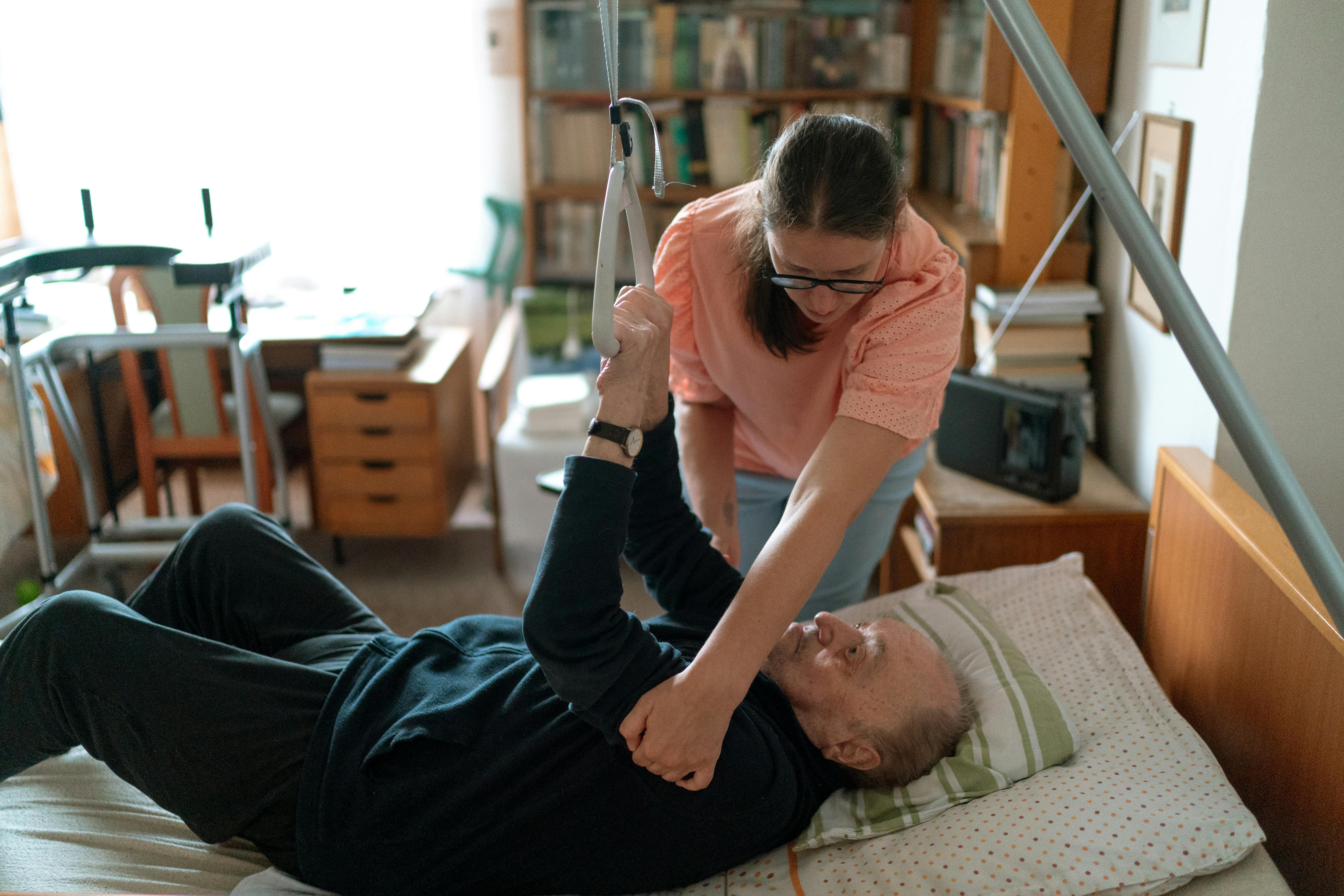
Sign #9: Family Caregivers Are Becoming Overwhelmed
Sometimes the strongest sign is not the parent’s condition. It is the condition of the family caregiver.
Adult children often take on more responsibilities over time.
They may help with:
- Shopping
- Transportation
- Meal preparation
- Medication management
- Household tasks
- Personal care
Over time, these responsibilities can become exhausting.
Signs of caregiver strain include:
- Chronic stress
- Sleep problems
- Anxiety
- Burnout
- Difficulty balancing work and family
When caregiving becomes overwhelming, additional support is often needed.
Long-term care solutions can help families maintain balance while ensuring the senior receives consistent attention.
Sign #10: Emergencies Are Becoming More Common
Many families wait for a major event before considering care.
Common emergencies include:
- Falls
- Hospital admissions
- Medication mistakes
- Wandering incidents
- Severe dehydration
- Missed medical appointments
By the time these events occur, risks have already increased.
Acting earlier often leads to better outcomes and a smoother transition into care.

Sign #11: Increased Forgetfulness Around Daily Safety
Some memory lapses are normal. However, safety-related forgetfulness should never be ignored.
Warning signs include:
- Leaving doors unlocked
- Forgetting to turn off the stove
- Leaving water running
- Misplacing house keys frequently
- Forgetting emergency contact information
- Getting confused about basic household tasks
These situations can place seniors at risk for accidents and emergencies. When safety concerns become more frequent, live-in care can provide ongoing supervision and peace of mind.
Sign #12: Difficulty Keeping Up With Appointments and Errands
Many seniors begin missing appointments long before families notice larger health concerns.
Look for signs such as:
- Missed doctor visits
- Forgotten prescription pickups
- Delayed grocery shopping
- Missed social events
- Difficulty arranging transportation
- Confusion about schedules and dates
These challenges often signal that daily life is becoming harder to manage independently. A caregiver can help organize appointments, transportation, and routines while helping the senior maintain as much independence as possible.
Compassionate Live-In Care When It Matters Most
Recognizing the early signs that a loved one needs additional support can make all the difference. Our dedicated caregivers provide around-the-clock assistance to help seniors remain safe, comfortable, and independent at home.
- 24/7 personalized care
- Experienced live-in caregivers
- Customized care plans
How Live-In Care Helps
Live-in care provides ongoing support while allowing seniors to remain in familiar surroundings.
Caregivers assist with daily activities, meal preparation, mobility support, medication reminders, and household tasks. Families gain peace of mind knowing someone is present to help when needed.
For seniors with higher needs, 24-hour home care may offer additional supervision and support.
Many families are surprised to learn that affordable senior care options exist. Affordable live-in care can often provide a practical alternative to institutional settings while supporting comfort and independence.
Final Thoughts
The signs of needing live-in care are not always obvious. They often appear gradually through small changes in behavior, health, nutrition, mobility, and daily routines.
Paying attention to these warning signs can help families act before a crisis occurs.
If your aging parent struggles with medication management, falls, poor nutrition, isolation, memory concerns, or daily tasks, it may be time to consider live-in care services. Early action can improve safety, preserve dignity, and provide peace of mind for the entire family.
The goal is not to take away independence. The goal is to provide the support that allows seniors to continue living safely, comfortably, and confidently in the place they call home.
Consult Live Easy Home Care For Affordable Live-In Care in NJ
At Live Easy Home Care, we understand how difficult it can be to determine when a loved one needs additional support. Our live-in care services provide personalized assistance in Northern and Central New Jersey areas, including such as Alpine, Demarest, Franklin Lakes, Fort Lee, Mahwah, Ridgewood, etc., that helps seniors remain safe and comfortable at home.
From daily routines to 24-hour home care, our caregivers are committed to supporting independence, dignity, and quality of life. Contact Live Easy Home Care today to learn how we can help your family find the right care solution.