
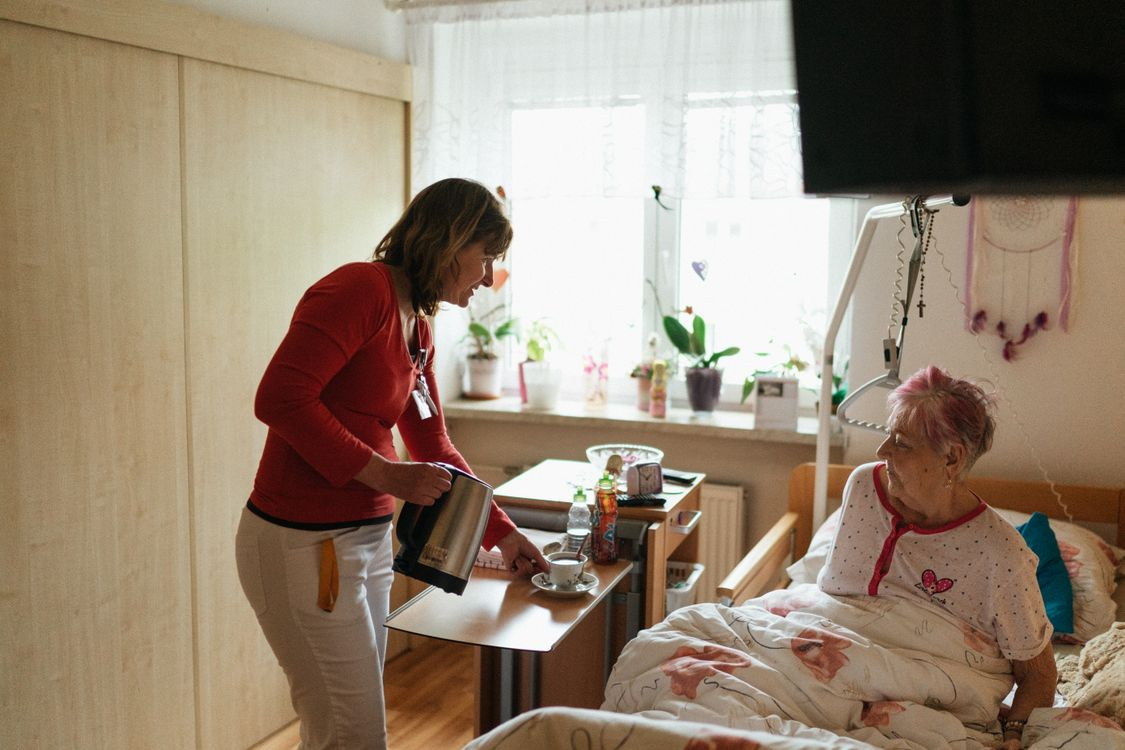
As people age, families often face difficult decisions about how to provide the right level of support while preserving comfort, dignity, and quality of life. In the past, assisted living communities were frequently viewed as the next step when older adults needed additional help. Today, however, many families are reconsidering that option and are instead choosing 24-Hour home care as a practical and compassionate solution.
The ability to remain at home while receiving continuous assistance offers benefits that many seniors and their loved ones value deeply. From maintaining familiar surroundings to receiving one-on-one attention, home care has become a preferred choice for many households. Families seeking home care services often find that aging in place provides emotional, physical, and social advantages that are difficult to match in a facility setting.
The Comfort of Familiar Surroundings
One of the strongest reasons families prefer 24-hour home care is the comfort of staying in a familiar environment. Home represents years of memories, routines, and personal belongings that contribute to emotional well-being.
Moving into an assisted living facility often requires seniors to leave behind cherished possessions, familiar neighbors, and established routines. This transition can create feelings of stress, confusion, and isolation, particularly for individuals who have lived in the same home for decades.
Remaining at home allows seniors to wake up in their own bedroom, enjoy their favorite chair, and continue daily activities in a setting they know well. Familiar surroundings can contribute to greater confidence and peace of mind while reducing the emotional challenges associated with relocation.

Personalized Attention Around the Clock
Another significant advantage of 24-hour home care is the level of individualized support provided. Assisted living facilities often have multiple residents assigned to a limited number of caregivers. While staff members work hard to meet everyone’s needs, personalized attention can be difficult when many residents require assistance simultaneously.
With continuous home care, seniors receive support focused entirely on their unique needs. Care plans can be adjusted according to preferences, health conditions, mobility limitations, and daily routines.
Whether assistance is needed with bathing, dressing, meal preparation, medication reminders, or overnight supervision, caregivers can provide dedicated support throughout the day and night. This individualized approach helps ensure that seniors receive timely assistance whenever it is needed.
Personalized 24-Hour Home Care for Greater Comfort
More families are choosing 24-hour home care because it offers continuous support in the comfort of home while promoting independence, safety, and peace of mind for everyone involved.
- Round-the-clock care
- One-on-one personalized support
- Comfort of home
Greater Independence and Control
Many seniors fear losing their independence when considering long-term care options. Assisted living communities often have schedules that dictate meal times, activities, and daily routines.
Home care offers a different experience. Seniors can continue making choices about their daily lives while receiving support when necessary. They can decide when to wake up, what meals they want to eat, and how they spend their time.
Maintaining control over daily decisions promotes self-esteem and helps seniors feel respected rather than restricted. This balance between assistance and independence is one reason many families choose home-based care instead of institutional settings.
Enhanced Safety in a Familiar Setting
Safety concerns frequently influence care decisions. Families want assurance that their loved ones are protected from falls, medical emergencies, and other risks that can arise when seniors live alone.
Twenty-four-hour caregivers provide ongoing supervision and assistance that can significantly improve safety. Caregivers can help with mobility, monitor changes in condition, and respond quickly if an emergency occurs.
Because care is provided within the home, safety measures can also be customized to address specific needs. Adjustments such as removing tripping hazards, improving lighting, and providing mobility assistance can create a safer environment while allowing seniors to remain comfortable in their own space.

Better Support for Memory-Related Conditions
Individuals living with Alzheimer’s disease or other forms of dementia often benefit from consistency and familiar surroundings. Changes in the environment can increase confusion, anxiety, and disorientation.
For families seeking in-home memory care, home care offers stability that can be especially valuable for seniors experiencing cognitive decline. Familiar rooms, personal belongings, and established routines help reduce stress and support daily functioning.
Caregivers trained in memory-related conditions can provide structured assistance while encouraging meaningful engagement throughout the day. Family members also gain reassurance knowing that their loved one is receiving attentive support in a comfortable environment.
More Meaningful Family Involvement
Choosing home care often allows family members to remain actively involved in a loved one’s life. Assisted living facilities may require travel, scheduled visits, and adjustments to facility policies.
When seniors remain at home, family interactions can continue more naturally. Relatives can stop by for meals, celebrate holidays in familiar surroundings, and participate in caregiving decisions without major disruptions.
This ongoing involvement strengthens family connections and helps seniors maintain a sense of belonging. Loved ones can remain closely connected while professional caregivers provide the assistance necessary to support daily living.
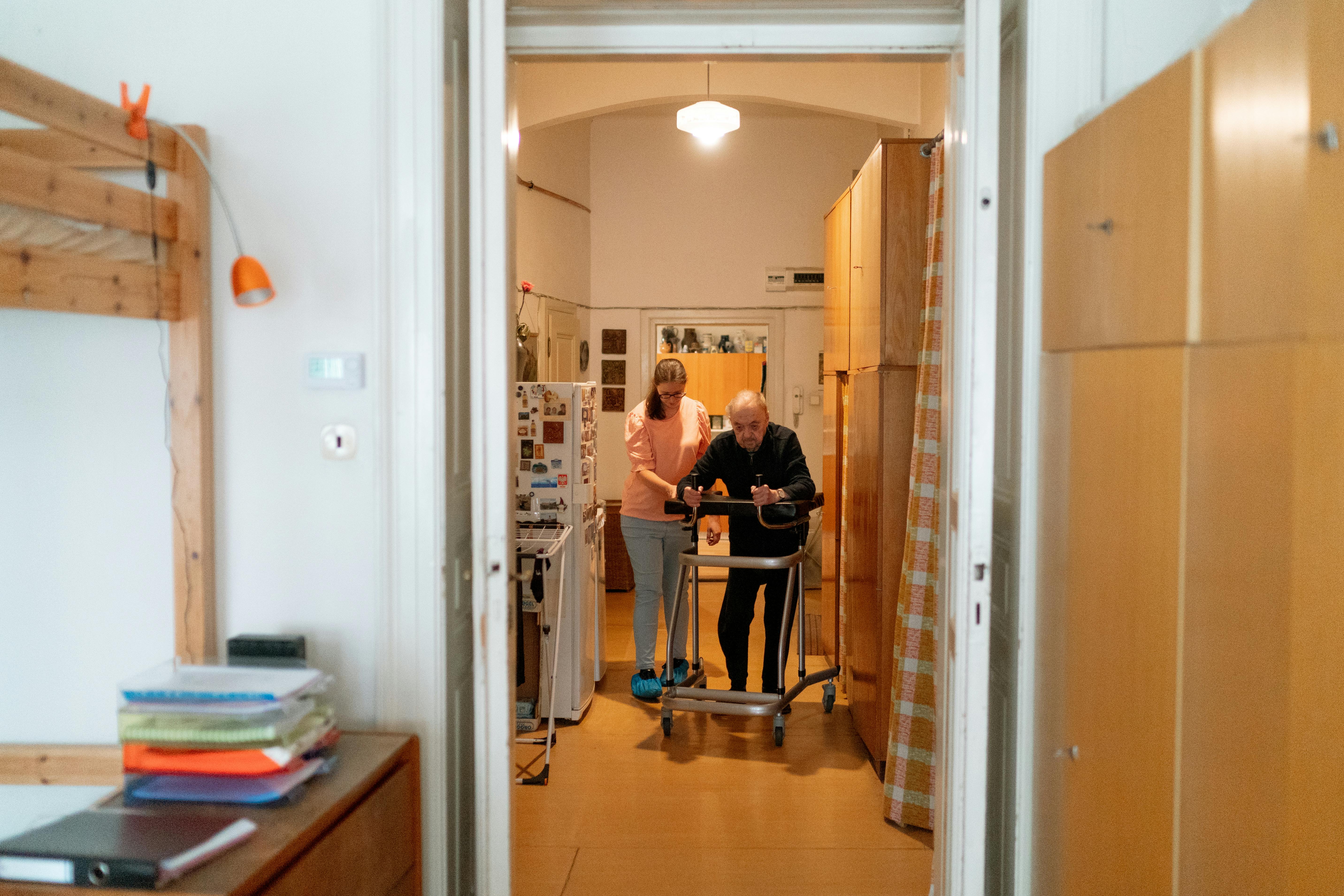
Flexible Care That Changes With Needs
Care requirements often evolve. A senior who initially needs help with housekeeping and meal preparation may later require assistance with mobility, personal care, or overnight supervision.
Home care offers flexibility that allows services to adapt as circumstances change. Families can increase or adjust care without requiring a move to a new environment.
Those searching for specialized in-home care often appreciate this flexibility because it provides continuity and stability. Seniors can continue living at home while receiving the appropriate level of support at every stage of aging.
Reduced Exposure to Illness
Shared living environments naturally involve greater interaction among residents, visitors, and staff. While assisted living communities implement health protocols, communal settings can increase exposure to seasonal illnesses and infections.
Home care limits contact with large groups of people and allows seniors to remain in a controlled environment. This can be especially important for individuals with weakened immune systems or chronic health conditions.
Families often value the added peace of mind that comes from knowing their loved one is receiving personalized care within the safety of their own home.
Emotional Benefits of Aging in Place
Aging in place supports emotional well-being in ways that extend beyond physical comfort. Seniors often feel more secure when they remain connected to familiar routines, neighborhood relationships, and personal traditions.
Being able to continue gardening, sitting on a favorite porch, attending local community activities, or caring for beloved pets contributes to a sense of purpose and fulfillment.
These everyday experiences can have a positive impact on mental health and overall happiness. For many seniors, remaining at home supports a higher quality of life than transitioning to a residential facility.

Cost Considerations for Families
While costs vary depending on care needs and location, families increasingly compare assisted living expenses with home care services. In some situations, continuous home care can provide excellent value, particularly when personalized attention and individualized support are priorities.
Families evaluating 24-hour home care frequently consider not only financial factors but also the emotional and lifestyle benefits associated with remaining at home. When weighing all aspects of care, many determine that home care offers a desirable balance between support, comfort, and independence.
Around-the-Clock Care Without Leaving Home
24-hour home care provides dedicated support tailored to your loved one’s needs, helping them stay safe, comfortable, and independent in a familiar environment.
- Experienced caregivers
- 24/7 assistance
- Customized care plans
Maintaining Dignity and Personal Preferences
Every individual has personal habits, preferences, and routines developed over a lifetime. Home care allows these preferences to remain part of daily life rather than requiring adjustment to a facility’s structure.
Seniors can continue enjoying favorite meals, maintaining personal schedules, and participating in activities they enjoy. This respect for individual preferences helps preserve dignity and supports a stronger sense of identity.
Rather than adapting to a new living arrangement, seniors can continue living life on their own terms while receiving the assistance necessary to remain safe and comfortable.
Reliable Around-the-Clock Care for Your Family
As families evaluate care options for aging loved ones, many are recognizing the advantages of remaining at home with professional support. From personalized attention and enhanced safety to greater independence and emotional comfort, the benefits of choosing 24-Hour home care continue to influence care decisions across many communities.
For families considering 24-hour home care, seeking senior care services, or exploring dementia care at home in Bergen County, professional home care can provide dependable support while helping loved ones remain where they feel most comfortable. Live Easy Home Care is committed to helping seniors maintain independence, safety, and quality of life through compassionate in-home support designed around individual needs. Contact us today.