

Choosing home care is a trust decision. You are inviting a caregiver into the most private space in your life, and you are relying on that person to support safety, dignity, and daily stability. Accreditation helps families separate marketing claims from measurable standards. The Accreditation Commission for Health Care (ACHC) is an independent accrediting organization that evaluates providers against published expectations for quality and compliance.
Here’s what you need to know before choosing a ACHC-accredited home care provider.
Accreditation vs. Licensing: Not the Same Thing
Many families assume a license automatically means “high quality.” Licensing is essential, but it sets a baseline. Accreditation goes further by evaluating how an agency runs day to day; how it documents care, trains staff, manages risks, and improves services over time.
A licensed home care agency in Bergen County can meet state requirements, while an accredited agency is also demonstrating commitment to nationally recognized quality practices. For families seeking home care assistance in Bergen County, this distinction matters because it influences reliability, communication, and the predictability of care.
The Standards Behind ACHC: What Gets Evaluated
ACHC accreditation is not a single checkbox. It involves an agency-wide review that typically examines policies, caregiver qualifications, client rights, safety protocols, documentation, and ongoing performance improvement.
In practical terms, the standards push agencies to operate with clearer structure and stronger safeguards. That structure shows up in things families can feel: organized start-of-care processes, well-defined care plans, consistent caregiver expectations, and better follow-through on reported concerns. When you select ACHC-accredited home care, you benefit from systems that reduce guesswork.
How ACHC Helps Protect Families
Home care can involve complex dynamics: changing needs, multiple family decision-makers, and sensitive personal routines. Accreditation strengthens the “behind the scenes” protections that keep care stable. That includes clear complaint processes, privacy practices, and documented responsibilities.
It also encourages agencies to monitor service quality rather than relying on occasional check-ins. Families in in-home health care settings often value these protections because they support transparency when questions arise and encourage quicker problem-solving.
Caregiver Screening and Training: A Higher Bar for Readiness
One of the most overlooked risks in home care is inconsistent caregiver preparation. Accreditation emphasizes structured onboarding, role clarity, and ongoing competency expectations.
Families should ask how caregivers are screened, what training is required, and how the agency evaluates performance in real homes. These details shape whether support feels calm and professional or improvised. Working with certified local home caregivers in Bergen County through an accredited agency increases the likelihood that caregivers understand safe mobility support, respectful personal routines, and communication approaches that reduce stress for seniors.
Stronger Care Planning Means Better Daily Outcomes

Care plans are the roadmap for home care. Without strong care planning, families can feel like they are “starting over” with each shift or each new caregiver. ACHC standards encourage clear care plans that reflect the client’s needs, risks, preferences, and routines. This includes documenting mobility concerns, fall risks, hydration patterns, and what helps the client feel comfortable.
For families coordinating personal care assistance, a well-built plan protects dignity by ensuring hygiene support is delivered with consent, privacy, and routine, rather than rushed or inconsistent methods.
Communication and Documentation: The Hidden Quality Factor
Families rarely choose an agency because it has “great documentation,” yet documentation is what prevents surprises. ACHC-accredited organizations are pushed to document services and monitor quality in ways that create continuity. That can mean simple daily notes on appetite, sleep, mood changes, or mobility challenges; details that help families spot trends early.
If you are coordinating with a home care aid in Bergen County, documentation is what helps your family feel informed without hovering. It also supports smoother transitions when a family member travels or when a routine needs adjustment.
Safety Protocols That Reduce Preventable Crises
A safe home care experience is not only about reacting to emergencies; it is about reducing the conditions that create emergencies. ACHC standards reinforce safety expectations such as fall-risk awareness, infection control practices appropriate to home settings, and clear procedures for reporting changes in condition.
Safety also includes environmental awareness: clear walkways, proper lighting, and safer bathroom setups. Accredited agencies are more likely to coach families on these basics because they understand that the home environment is part of the care plan. This proactive approach improves stability for seniors and peace of mind for families.
Supervision, Scheduling, and Quality Oversight

Families often overlook what happens after the first week of care. Accreditation encourages agencies to supervise services, monitor reliability, and address issues before they become crises. That can include regular check-ins, structured escalation paths, and clear scheduling practices to reduce last-minute changes. For seniors, fewer surprises means less stress and more cooperation with routines.
For families, it means less time chasing updates and more confidence that responsibilities are understood. A prepared caregiver in Bergen County supported by agency oversight is more likely to deliver consistent, respectful care every day.
Clear Policies and Transparent Expectations
Accreditation also influences how an agency sets expectations with families. You should receive straightforward explanations of roles, boundaries, and how concerns are addressed. Clear policies reduce confusion about privacy, household routines, and what happens when needs increase.
Families may not realize how stressful “unclear rules” can be until a problem occurs. An accredited provider is more likely to standardize orientation, keep communication channels open, and document decisions so everyone stays aligned. That clarity helps the senior feel secure and helps families stay confident without constant supervision from week one.
Client Rights, Respect, and Dignity Are Built In
Home care only works when seniors feel respected. ACHC standards emphasize client rights, privacy, and ethical care delivery. This matters when a caregiver is assisting with bathing, dressing, toileting, or mobility; moments that can feel vulnerable.
A strong agency trains caregivers to ask permission, explain steps, protect modesty, and honor preferences. If your loved one lives with cognitive decline, respectful consistency becomes even more important. With in-home memory care in Cresskill, NJ, dignity-focused routines can reduce agitation and help seniors feel secure in familiar surroundings.
Memory Care and Cognitive Support: Why Standards Matter More Here
Families supporting dementia or Alzheimer’s often need more than “general help.” Cognitive changes affect communication, routine tolerance, and emotional regulation. ACHC-accredited agencies are encouraged to build structured approaches to higher-need situations, including training and care -planning that reflect cognitive risks.
If your loved one needs support from a caregiver in Bergen County experienced with cognitive decline, accreditation is an added layer of assurance that the agency has systems for safety, consistency, and caregiver preparation.
Performance Improvement: The Difference Between Good and Getting Better
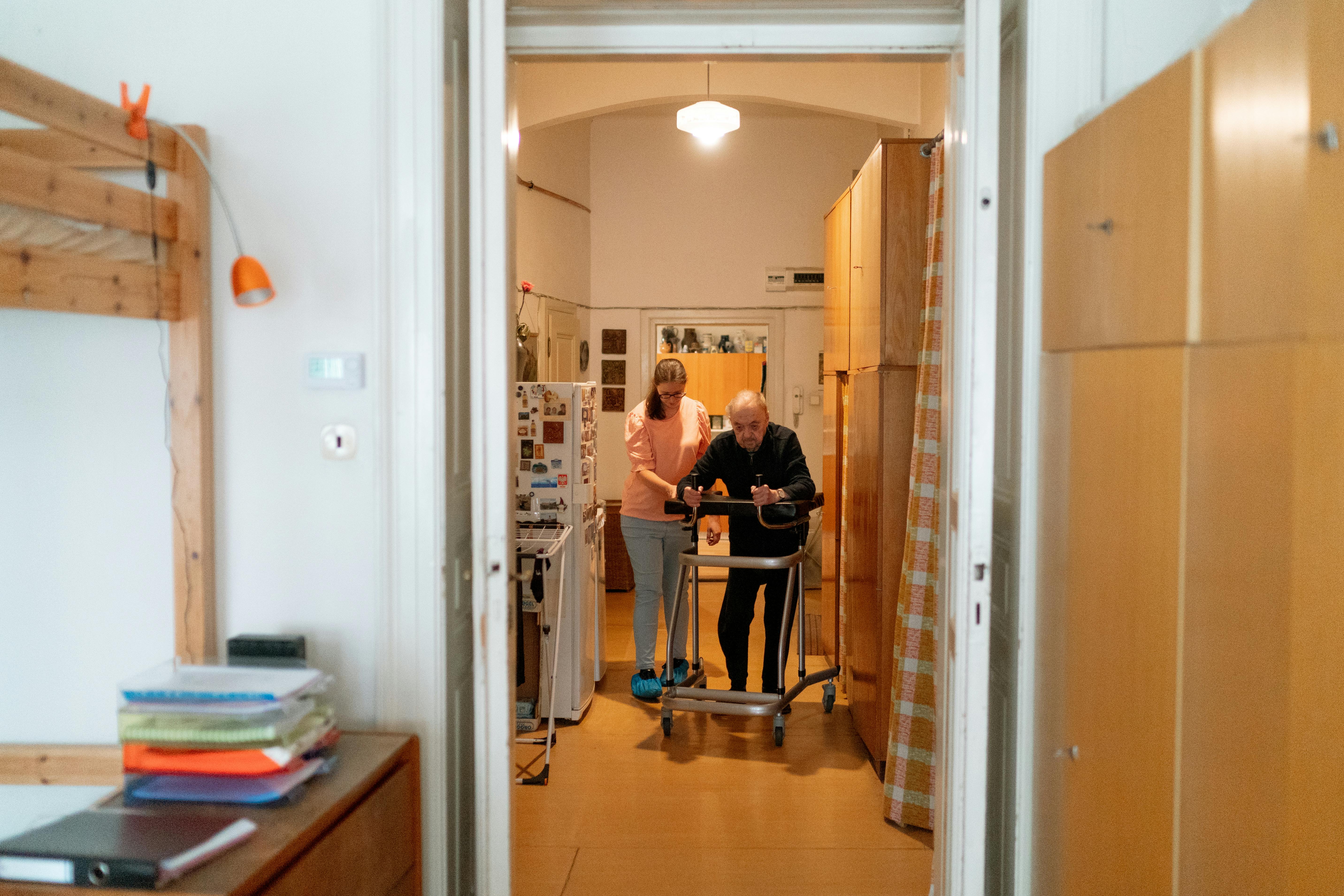
One of ACHC’s most valuable impacts is pushing agencies to measure and improve. Quality is not static; seniors’ needs change, family schedules shift, and caregivers rotate.
An accredited agency is expected to track outcomes and use feedback to improve processes. That can include reviewing incident trends, evaluating client satisfaction, or strengthening training in response to real-world cases. Families looking for senior care in Wyckoff, NJ benefit when an agency doesn’t just “provide care,” but actively learns and refines how it delivers care.
What Families Often Overlook During the Search
In the rush to find help, families may focus only on availability and cost. Those matter, but quality markers matter too. Ask whether the agency is accredited, how it trains and supervises caregivers, and how it communicates with families.
Ask what happens if needs change. Ask how matching works, and what the agency does to maintain consistency. If you are comparing home care assistance options in Bergen County, accreditation is a reliable indicator that the agency has invested in systems that support safety, dignity, and accountability over time.
Questions to Ask an ACHC-Accredited Agency
To make accreditation meaningful, ask specific questions:
- How is a care plan created and updated?
- How are caregivers screened and trained?
- How do you handle concerns or complaints?
- How do you document daily routines and changes?
- How do you match a caregiver to a client?
- What quality reviews do you perform?
These questions help you see whether the agency practices what accreditation promotes. When you choose ACHC-accredited home care, you deserve clarity on how those standards show up in your loved one’s everyday experience.
Access Home Care Built on Accountability, Safety, and Standards
Choosing an accredited provider is one of the clearest ways to protect your loved one’s comfort and safety at home. Live Easy Home Care supports families with certified local home caregivers in Bergen County through a licensed home care agency committed to consistent quality.
We build routines around respectful personal care assistance and offer structured in-home memory care when cognitive needs change. If your family needs Dementia and Alzheimer’s home care, our training, oversight, and dignity-first approach help create calmer days, safer routines, and lasting peace of mind for you, your loved one, and family.
Contact us today to schedule a consultation and learn how ACHC-accredited standards protect your family.