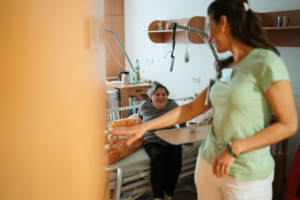

Consistency defines the difference between care that merely functions and care that truly supports long-term wellbeing. Families often focus on schedules and availability, but consistency runs deeper. A stability-first home care model places the same caregiver with the same individual over time. That steady presence builds trust, sharpens observation, and protects dignity. Without consistency, even well-intentioned support loses impact.
Why Familiarity Shapes Better Daily Care
When the same professional arrives each day, routines flow naturally. The caregiver understands preferences, habits, and rhythms without repeated explanations. Meals happen on time. Hygiene follows personal comfort. Conversations feel relaxed rather than forced. Over time, familiarity removes friction and stress from daily life. This steady interaction makes home care feel supportive rather than disruptive.
Families who seek experienced caregivers in Bergen County often value this predictability above all else. They want care that fits seamlessly into life at home, not a rotating presence that resets expectations each week.
Trust Grows Through Repetition, Not Rotation
Trust does not form instantly. It develops through repeated, respectful interactions. A consistent caregiver earns confidence by showing reliability, patience, and awareness. Seniors speak more openly once they feel safe and understood. That openness matters because it reveals concerns that might otherwise stay hidden.
A stability-first home care model encourages honest communication. The caregiver notices mood shifts, appetite changes, and subtle behavioral signals. These observations support informed decisions and timely adjustments within long-term, in-home care relationships.

Consistency Improves Early Detection
Small changes often signal bigger issues. A familiar caregiver recognizes when something feels “off.” They notice slower movement, confusion, or disrupted sleep patterns. Rotating staff rarely catch these details because they lack a baseline for comparison.
This advantage explains why families exploring Bergen County home care services increasingly prioritize continuity. Consistent care protects well-being by allowing early recognition rather than a delayed reaction.
Reduced Turnover Protects Emotional Health
Frequent caregiver changes create emotional strain. Seniors must repeatedly adapt to new faces, voices, and routines. That cycle causes anxiety and withdrawal, especially for those managing dementia & Alzheimer’s home care in Alpine NJ. Stability reduces that emotional burden.
Top home care agencies in Bergen County emphasize long-term matches for this reason. They understand that emotional security supports physical health and overall quality of life.
Long-Term Relationships Strengthen Outcomes
Consistency supports stronger outcomes because it reinforces accountability. The caregiver feels invested. The senior feels respected. Families feel reassured. Over time, this partnership evolves into a reliable support system rather than a transactional service.
A trusted home care agency in Bergen County builds its reputation on these lasting relationships. Consistency transforms home care from a task-based service into a meaningful presence that supports independence and confidence.
Experience Consistent Care That Truly Supports Daily Life
At Live Easy Home Care, we believe consistency defines quality. We focus on stable caregiver matches that support trust, awareness, and comfort over time. Our approach centers on long-term, in-home care relationships designed to protect dignity and well-being. We invite families seeking dependable home care services in Bergen County to book an appointment and learn how our commitment to consistency makes a lasting difference.