
When families consider live-in care, they often focus on qualifications, certifications, and experience. While these factors are important, the true effectiveness of live-in caregivers goes far beyond credentials. The most impactful caregivers combine technical skills with emotional intelligence, adaptability, and a deep commitment to building trust.
This blog explores the qualities that define truly effective live-in caregivers and how these traits contribute to better outcomes for seniors.
Beyond Training: The Human Element
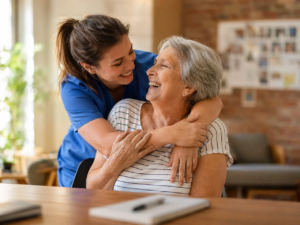
Professional training ensures caregivers can handle daily tasks and health-related responsibilities. However, caregiving is also deeply personal. Seniors rely on caregivers not only for assistance but for comfort, companionship, and emotional reassurance.
The effectiveness of live-in caregivers often depends on their ability to connect on a human level. A kind, patient, and understanding approach creates a supportive environment where seniors feel valued and respected.
Adaptability in Changing Situations
No two days are the same in caregiving. Seniors’ needs can change due to health conditions, mood, or energy levels. Effective caregivers are flexible and able to adjust routines and care plans accordingly.
Whether it involves modifying activities, responding to unexpected challenges, or adjusting schedules, adaptability ensures that seniors receive the right level of care at all times. This responsiveness is a key factor in delivering consistent, high-quality support.
Emotional Intelligence and Awareness
Emotional intelligence is one of the most valuable traits a caregiver can possess. It allows caregivers to recognize and respond to emotional cues, such as anxiety, frustration, or loneliness.
By offering empathy and reassurance, caregivers help seniors feel understood and supported. This emotional awareness strengthens relationships and contributes significantly to the effectiveness of live-in caregivers, especially in long-term care settings.
Building Trust Through Consistency
Trust is not built overnight. It develops through consistent, reliable interactions over time. Seniors are more likely to feel comfortable and secure when they see familiar faces and experience predictable routines.
Effective live-in caregivers prioritize consistency, ensuring that care is delivered in a dependable and reassuring manner. This stability fosters trust, reduces anxiety, and enhances overall well-being.
Strong Communication Skills
Clear and respectful communication is essential in caregiving. Caregivers must listen actively, understand preferences, and communicate effectively with both seniors and their families.
Good communication ensures that care plans are followed accurately and that any concerns are addressed promptly. It also helps maintain transparency and trust between all parties involved.
Promoting Independence and Dignity
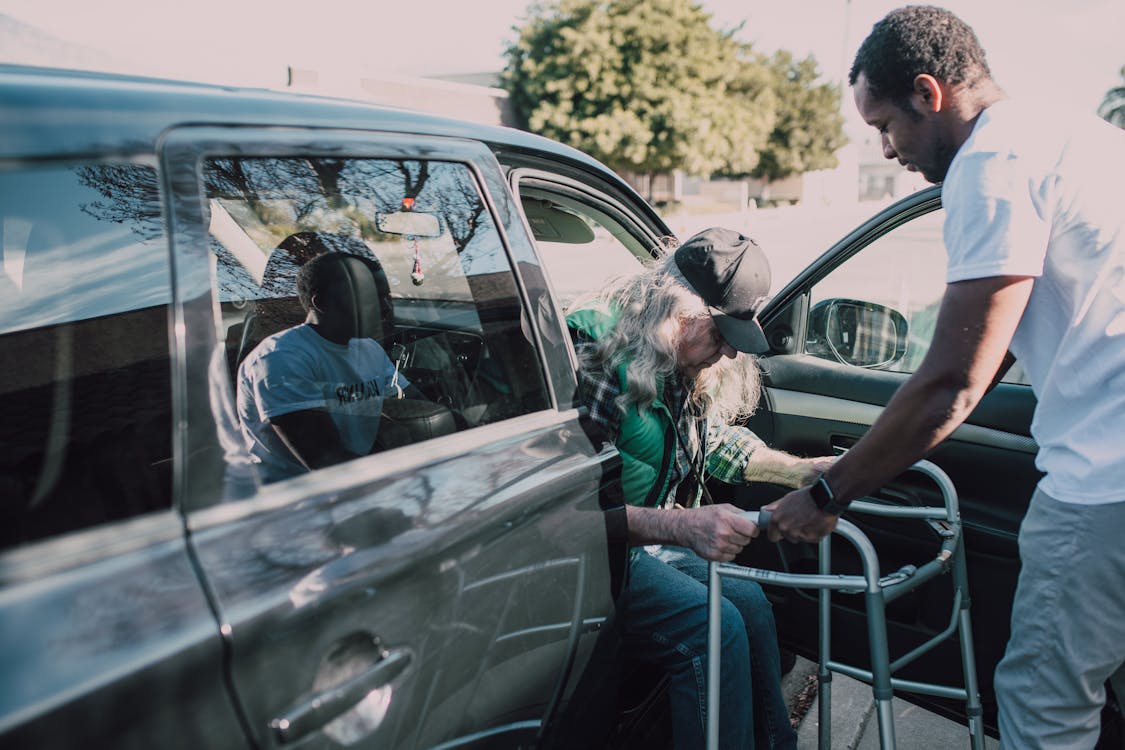
An effective caregiver understands the importance of maintaining a senior’s independence. Rather than taking over tasks completely, they provide support in a way that encourages participation and autonomy.
This approach helps seniors retain confidence and a sense of control over their daily lives. Respecting dignity is a fundamental aspect of quality care and a defining feature of effective caregiving.
Finding the right caregiver makes all the difference. At Live Easy Home Care, our team delivers dependable live-in care in Franklin Lakes, supported by experienced caregivers who prioritize trust and consistency. We provide 24-hour home care in Northern New Jersey, ensuring comfort and reliability every day. With a strong focus on quality and compassion, we help families choose care solutions that truly support long-term well-being.
Contact us now.