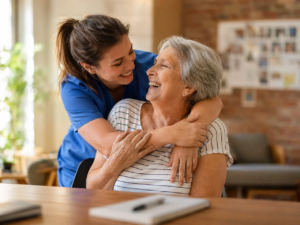

For many veterans returning from service, the transition to civilian life can be challenging. As they age, these challenges often intensify, requiring consistent support that addresses both physical and emotional needs. Home care for veterans plays a crucial role in ensuring that our heroes receive the dignity, respect, and personalized attention they deserve, all within the comfort of their own homes. This approach not only prioritizes health and safety but also honors a lifetime of service.
Understanding the Unique Needs of Veterans
Veterans often face a combination of physical, emotional, and cognitive challenges as they age. Many live with chronic pain, mobility limitations, or conditions related to their time in service, such as post-traumatic stress disorder (PTSD). These factors make daily activities difficult and sometimes overwhelming.
Senior care tailored to veterans focuses on supporting these individuals holistically. Beyond medication management and mobility assistance, effective home care addresses emotional well-being, social engagement, and meaningful activities that promote a sense of purpose. For example, a veteran might benefit from participating in memory-focused activities if they are living with cognitive decline, ensuring both mental stimulation and emotional comfort.
Daily Routines That Foster Independence

One of the hallmarks of compassionate veterans home care in Fortlee NJ is the emphasis on routine. Establishing predictable, structured days helps seniors feel secure and in control. Live-in care in Mahwah, NJ, for instance, ensures that veterans have consistent support from trained caregivers who assist with tasks like dressing, grooming, meal preparation, and medication reminders.
These daily routines do more than meet basic needs; they provide emotional reassurance. Veterans often value independence and self-sufficiency. By supporting these routines, caregivers can help them maintain autonomy while offering the help required to prevent accidents or lapses in self-care.
Emotional Care and Connection
Emotional support is a cornerstone of home care for veterans. Loneliness and isolation are common among aging veterans, particularly those who live alone. Compassionate caregivers foster meaningful connections by encouraging social activities, facilitating communication with family and friends, and engaging in discussions about the veteran’s service experiences.
This emotional support is particularly crucial for veterans experiencing PTSD or other service-related emotional challenges. Caregivers trained in trauma-informed care can recognize triggers, provide calming interventions, and create a supportive home environment that reduces stress and anxiety.
Navigating Benefits and Resources
Many veterans are entitled to benefits through the Department of Veterans Affairs (VA) and other organizations, yet navigating these systems can be complex. Home care providers can assist families in understanding eligibility for benefits, filling out applications, and accessing programs that support healthcare, home modifications, and adaptive equipment.
For example, 24-hour home care in Cresskill, NJ, might involve coordinating with VA resources to ensure that a veteran has access to financial support for in-home services or necessary medical equipment. These efforts not only improve the quality of care but also provide families peace of mind, knowing that all available resources are being utilized effectively.
Specialized Memory and Cognitive Support
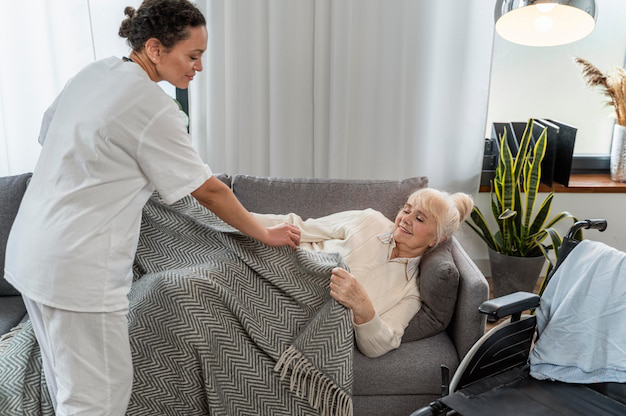
Some veterans face cognitive challenges, including dementia and Alzheimer’s disease. Tailored memory care is essential to maintain quality of life and minimize stress for both the veteran and their family. Dementia care in Bergen County, NJ, for instance, focuses on structured activities, consistent daily routines, and memory-stimulating exercises.
Caregivers trained in memory care strategies can help veterans manage confusion, reduce agitation, and promote cognitive engagement. These interventions are especially important for long-term well-being, as they preserve a sense of identity and dignity while providing a safe, supportive environment.
The Value of 24-Hour and Live-In Care
Some veterans require more comprehensive, around-the-clock support. 24-hour home care in Ridgewood and Franklin Lakes, NJ, offers continuous assistance, ensuring that a caregiver is available for emergencies, medication management, mobility support, and emotional check-ins at any time of day.
This level of care is particularly valuable for veterans with complex medical needs, reduced mobility, or cognitive impairment. Families can rest assured knowing that their loved ones are safe, supported, and cared for consistently, without sacrificing the comfort of staying in their own homes.
Maintaining Physical Health and Safety
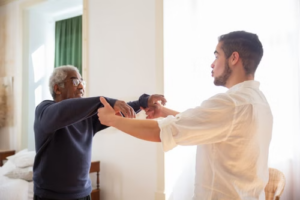
Physical health is a critical component of veteran care. Aging veterans may struggle with mobility issues, balance problems, or chronic conditions that require daily attention. Senior care in Mahwah, NJ, emphasizes exercises, fall prevention strategies, and personalized care plans that promote strength and independence.
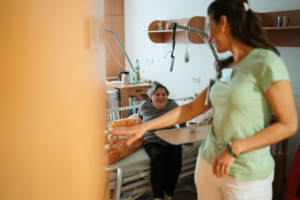
Caregivers assist with safe transfers, proper use of mobility aids, and home modifications that reduce accident risks. By combining physical support with regular monitoring, home care ensures that veterans remain as active and engaged as possible while minimizing the likelihood of injury.
Supporting Families and Caregivers
Home care for veterans not only benefits the veteran; it also provides crucial support to family members. Many adult children and spouses shoulder the emotional and physical burden of caregiving, often leading to burnout. Long-term care support in Franklin Lakes, NJ, allows families to share the responsibility with trained professionals, reducing stress and enabling them to spend quality time with their loved one rather than managing daily care tasks.
Caregiver support also includes education, guidance on managing medical conditions, and strategies for fostering positive communication. This collaborative approach strengthens family dynamics and improves overall outcomes for veterans.
The Importance of Personalized Care Plans

Every veteran has unique needs shaped by their health, military service, and personal preferences. Effective home care emphasizes individualized care plans that take these factors into account. In-home senior support in River Edge, NJ, for example, allows caregivers to tailor activities, daily routines, and healthcare management according to each veteran’s preferences and requirements.
Personalized care ensures that the services provided are meaningful, respectful, and supportive of independence. Veterans feel valued and understood, which contributes to their overall well-being and emotional satisfaction.
Preserving Dignity and Comfort
Above all, compassionate care prioritizes dignity. Many veterans fear losing independence as they age, and personalized, respectful home care allows them to remain in familiar surroundings while receiving the support they need. Senior care assistance at home in Demarest, NJ, ensures that veterans are treated with the respect and honor they deserve, preserving their sense of self-worth while meeting essential health and daily living needs.
Small gestures, like maintaining routines, encouraging social engagement, and involving veterans in decision-making, have a profound impact on emotional well-being and quality of life.
Finding Purpose Beyond Care
For many veterans, purpose and identity were deeply tied to their military service. When health challenges or aging limit their independence, feelings of loss and disconnection can set in. Compassionate home care does more than address physical and medical needs; it helps veterans rediscover meaning in their daily lives. Caregivers play a crucial role in supporting this journey by fostering purpose, dignity, and engagement.
Ways caregivers help veterans reconnect with purpose include:
- Encouraging Hobbies and Passions: From gardening to woodworking, continuing meaningful activities reinforces identity and joy.
- Promoting Social Connections: Caregivers facilitate phone calls, video chats, or visits with fellow veterans and family members, reducing loneliness.
- Honoring Military Stories: Listening to and documenting service experiences validates veterans’ contributions and strengthens their sense of pride.
- Supporting Volunteerism: Some veterans enjoy mentoring younger generations or engaging in community projects, which restores a sense of contribution.
- Incorporating Daily Rituals: Simple acts such as raising a flag, saying morning prayers, or attending virtual veteran events can anchor a day in familiarity and honor.
By weaving these meaningful practices into daily routines, caregivers ensure that veterans continue to feel valued, not just as care recipients, but as individuals with stories, wisdom, and purpose that still matter deeply.

Ready to Provide Your Veteran Loved One the Care They Deserve?
At Live Easy Home Care, we specialize in home care for veterans, senior care, dementia care, 24-hour care, and live-in care. Serving communities across Northern New Jersey, including Cresskill, Bergen County, Mahwah, Franklin Lakes, Ridgewood, Fort Lee, River Edge, and Alpine, our compassionate team is dedicated to honoring the service of our veterans while ensuring their safety, comfort, and independence at home.
Whether your loved one needs daily support, long-term care, or specialized memory care, our caregivers are trained to provide personalized, compassionate services that enhance quality of life. Contact us today to learn how our home care for veterans can make a meaningful difference in the life of your family.