Watching a loved one age is a journey filled with transition and reflection. We often tell ourselves that we have more time or that a slight memory slip is just a natural part of getting older. However, there is a hidden price to pay for waiting too long to seek professional help.
Making early home care decisions is not just about logistics; it is about preserving the quality of life, dignity, and financial stability of the person you love. When families wait for a crisis to occur before seeking dementia care at home, they often find themselves making rushed choices under immense pressure.
The silence in a home where a senior is struggling can be heavy. It starts with small things like an unwashed dish or a missed appointment. If we ignore these signs, we are essentially gambling with the safety of our parents or spouses.
Proactive planning is the bridge between aging with fear and aging with grace. The goal of early intervention is to create a foundation where the senior feels empowered rather than restricted. By addressing needs while they are still manageable, we ensure that the transition to professional assistance is a positive evolution of the home environment rather than a forced intrusion.
Don’t Wait Until Care Becomes a Crisis
Planning for home care early can help prevent unnecessary hospital visits, reduce family stress, and ensure your loved one receives the support they need before challenges become overwhelming.
- Proactive care planning
- Enhanced safety and comfort
- Peace of mind for families
The Emotional and Physical Toll of Delay
When care is delayed, the burden almost always falls on family members. Spouses and adult children often step into the role of primary caregiver without realizing the physical and emotional exhaustion that follows.
This caregiver burnout is a silent epidemic. It begins with lost sleep and ends with strained family relationships and significant health problems for the caregiver themselves. Many adult children find that their entire relationship with their parent becomes centered on chores and medical reminders, leaving no room for the emotional connection that matters most.
By prioritizing early home care decisions, families can transition from being task-oriented back to being family-oriented. Instead of spending every visit managing medications, scrubbing floors, or checking the fridge for expired food, you can spend that time sharing stories and enjoying each other’s company.
This shift in dynamic is vital for the mental health of everyone involved. It allows the senior to feel like a parent again rather than a patient, and it allows the child to be a source of comfort rather than a drill sergeant of daily tasks.
From a physical standpoint, early intervention is the most effective way to prevent accidents. Statistics show that a single fall can change a senior’s life forever, often leading to a permanent loss of independence or a rapid decline in health.
Many of these falls occur during routine activities like bathing or navigating stairs. A professional caregiver provides the steady hand and the watchful eye necessary to mitigate these risks. Whether it is assistance with mobility or ensuring a safe, clutter-free environment, being proactive is the best way to prevent a traumatic hospital stay.
The Financial Reality: Proactive vs. Reactive
There is a common misconception that waiting to hire help saves money. Families often look at the hourly rate of home care and decide to hold off as long as possible to preserve the estate. In reality, the crisis mode of senior care is the most expensive way to manage aging.
Emergency room visits, short-term rehab facilities, and last-minute placements in assisted living often cost significantly more than a structured home care plan. When you are forced to make a decision in forty-eight hours because a hospital is discharging your loved one, you lose the ability to shop for value and quality.
At Live Easy Home Care, we see how live-in care can actually provide a more stable and predictable financial path. When a professional is in the home around the clock, they can monitor nutrition, hydration, and medication compliance. These three factors are the leading causes of preventable hospitalizations. By investing in consistent care, you are essentially buying insurance against the massive costs of medical emergencies.
The Benefits of Familiarity and Routine
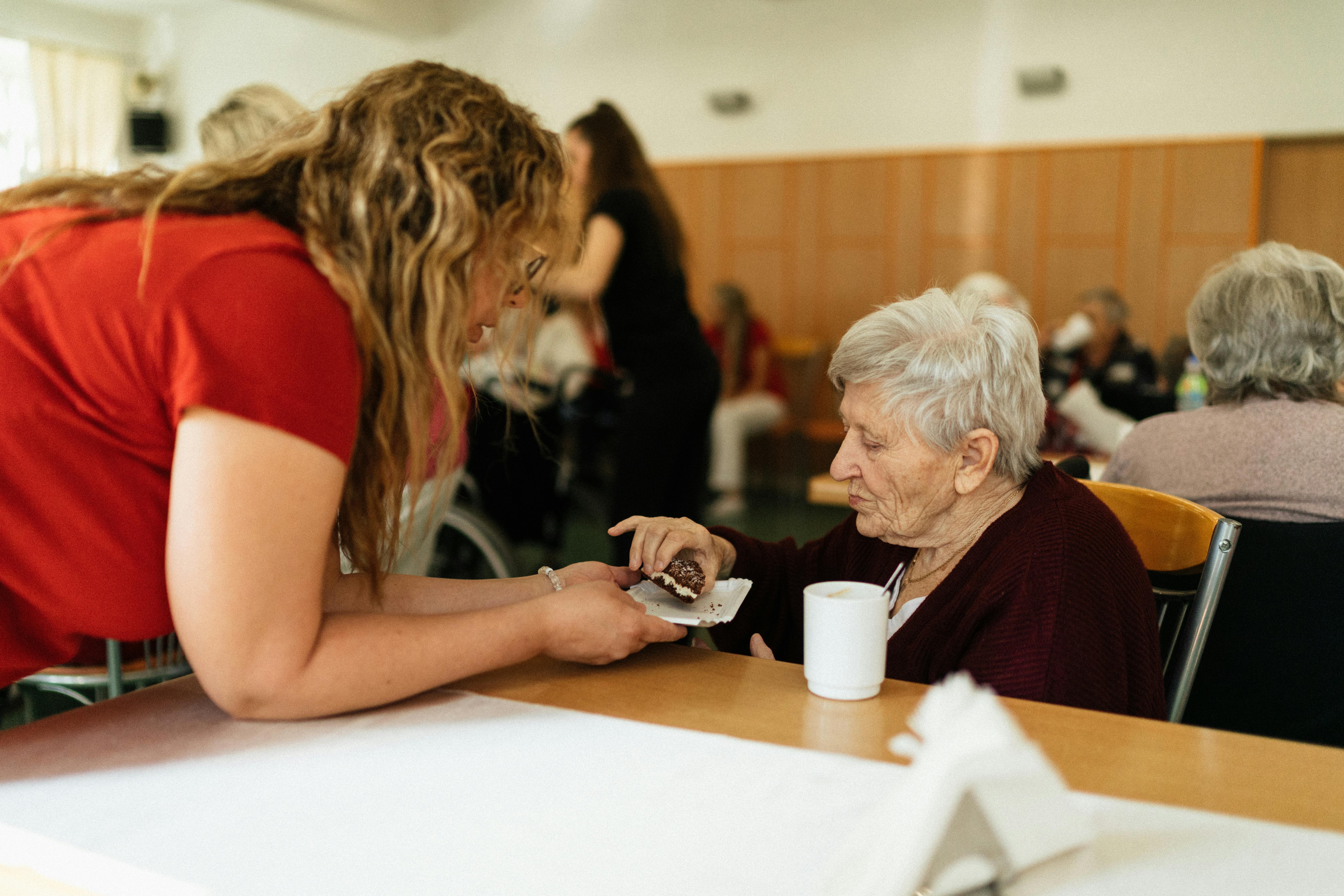
For seniors, especially those experiencing cognitive decline, change is the enemy of stability. Introducing a caregiver early allows for a relationship to build naturally over time. It is much easier for a senior to accept help when they feel they are making a new friend rather than being supervised by a stranger. This period of socialization allows the caregiver to learn the senior’s likes, dislikes, and daily rhythms while the senior is still able to communicate them clearly.
Early intervention is particularly vital for memory-related conditions. Engaging with in-home memory care during the early stages of cognitive change allows the caregiver to establish routines that provide comfort as the condition progresses. Routine is the cornerstone of effective memory care. When a senior knows exactly what to expect each day, their anxiety levels drop. This familiarity reduces the frequency of “sundowning” symptoms and the agitation often associated with later-stage dementia.
Moreover, professional caregivers are trained to provide cognitive stimulation. Instead of sitting in front of a television, which can accelerate cognitive decline, a caregiver can engage the senior in puzzles, conversation, and activities designed to keep the mind active.
This level of engagement is rarely possible for a family member who is also trying to manage their own job and household. By bringing in a specialist early, we help slow the progression of symptoms and keep the senior engaged with the world around them for as long as possible.
The Hidden Costs of Caregiver Stress
We must also talk about the cost to the “invisible” patient: the family caregiver. When a family delays home care, they often don’t realize that they are paying with their own health. High blood pressure, depression, and chronic fatigue are incredibly common among those caring for aging parents. The stress of being “on call” 24/7 is unsustainable.
It affects your performance at work, your relationship with your children, and your overall outlook on life. By bringing us in early, you are not just helping your parent; you are saving yourself. You gain the freedom to go to work without worrying if the stove was left on. You can go on a vacation knowing that your loved one is in safe, professional hands.
This “respite” is not a luxury; it is a necessity for a functional family. When the primary caregiver is healthy and happy, the senior receives better care. It is a symbiotic relationship that thrives on the presence of professional support.
Creating a Custom Roadmap for Aging
No two seniors are the same, and no two care plans should be the same. When we start the process early, we have the luxury of time to customize every aspect of the care. We look at the layout of the home, the specific medical needs, and the personality of the senior. We can match a caregiver who shares the senior’s interests, whether that’s a love for gardening, history, or specific films.
This customization leads to a much higher success rate in care. When a senior feels that the caregiver is a companion rather than an employee, they are more likely to follow medical advice and stay active.
Early planning allows us to adjust the level of care as needs change. We might start with just a few hours a week for light housekeeping and meal prep, slowly increasing the hours as the senior becomes more comfortable with the presence of help. This gradual “on-ramping” is much more successful than suddenly introducing a 24-hour caregiver after a major health event.
Safety, Dignity, and the Comfort of Home
At the heart of the matter is the desire for most seniors to “age in place.” Home is where the memories are. It is where they feel most like themselves. However, home can also become a place of isolation and danger if it isn’t properly managed. Professional home care transforms the house back into a sanctuary.
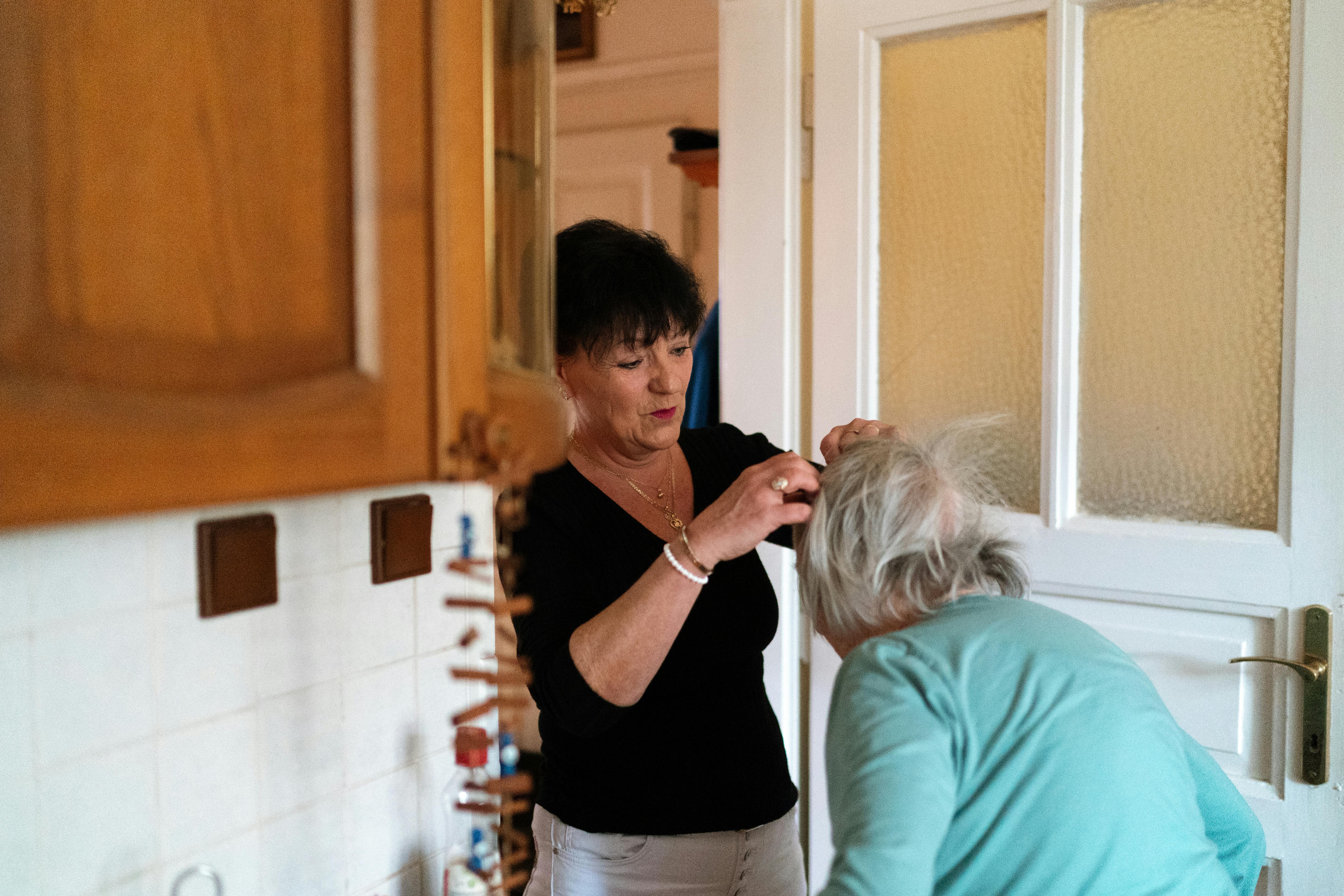
We focus on the small details that preserve dignity. Having someone there to help with a bath means the senior doesn’t have to feel embarrassed asking a child for help. Having someone to drive them to the grocery store or a social club means they don’t have to give up their social life just because they can no longer drive.
These are the threads that make up the fabric of a dignified life. Delaying care often leads to the loss of these small but vital freedoms.
The Best Time is now
The “True Cost” of waiting is measured in missed opportunities for joy, unnecessary physical pain, and the depletion of family resources. It is measured in the stress lines on a daughter’s face and the lonely afternoons of a father who has lost his connection to the community.
Proactive planning is the greatest gift you can give to your family. It provides a clear path forward in an uncertain time and ensures that the final chapters of life are written with care, respect, and professional support.
We believe that every senior deserves to live their best life in the comfort of their own home. We understand the complexities of aging and the delicate balance required to support a family through these changes. Don’t wait for the “big event” to realize that help is needed. Start the journey now and see the difference that early intervention can make.
Take the First Step Toward Peace of Mind
Don’t wait for a fall or a medical emergency to start the conversation about early home care decisions. At Live Easy Home Care, we are dedicated to helping families navigate these transitions with grace and expertise. Whether you need specialized in-home memory care in Fort Lee, NJ, dedicated live-in care, or want to explore veterans’ home care options, we are here to support you.
Our team is ready to provide a comprehensive assessment and create a care plan tailored specifically to your family’s unique needs. We serve our neighbors with heart and professional excellence.
Contact us today to schedule a consultation and see how we can bring peace of mind back to your home. We are your care partners, ensuring that your loved ones are safe, happy, and well-supported every single day.