Living independently is often a point of pride for seniors, but extended periods alone can introduce serious challenges. Families may underestimate the risks for seniors living alone, which can accumulate gradually over time and compromise health and safety. Missed medications, unnoticed falls, poor nutrition, and social isolation are common issues that often go undetected until a crisis occurs.
This blog explores the hidden dangers of prolonged solitude and highlights strategies families can use to keep their loved ones safe while preserving independence.
Missed Medications and Health Monitoring
One of the most immediate risks for seniors living alone is missed or incorrect medication. Chronic conditions require timely doses, and even small lapses can lead to complications.
Without someone regularly checking in, subtle health changes may go unnoticed. Caregivers provide a critical safety net by ensuring medications are taken as prescribed and monitoring for symptoms, reducing the risks for seniors living alone significantly.
Falls and Physical Injuries
Falls are a leading cause of injury for older adults. When seniors live alone, minor falls can go unnoticed for hours or even days, delaying essential medical care.
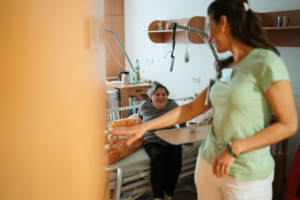
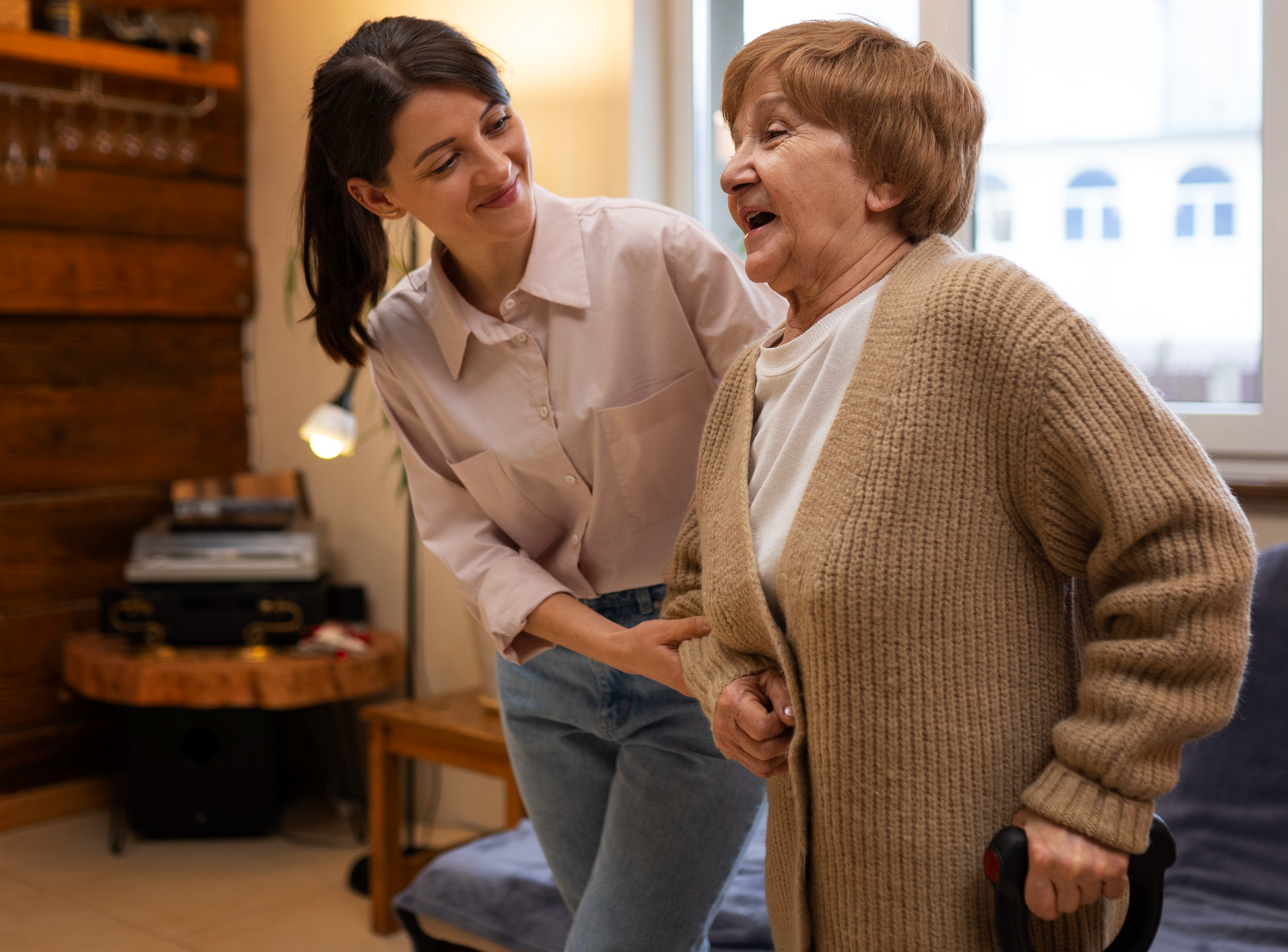
Professional in-home support helps prevent falls through mobility assistance, home modifications, and constant supervision. Knowing that help is available reduces the chance of serious injury and provides families with reassurance.
Nutrition and Daily Living Challenges
Living alone often impacts daily routines, including meal preparation and nutrition. Seniors may skip meals, eat poorly, or struggle with grocery shopping and cooking, which can exacerbate health issues.
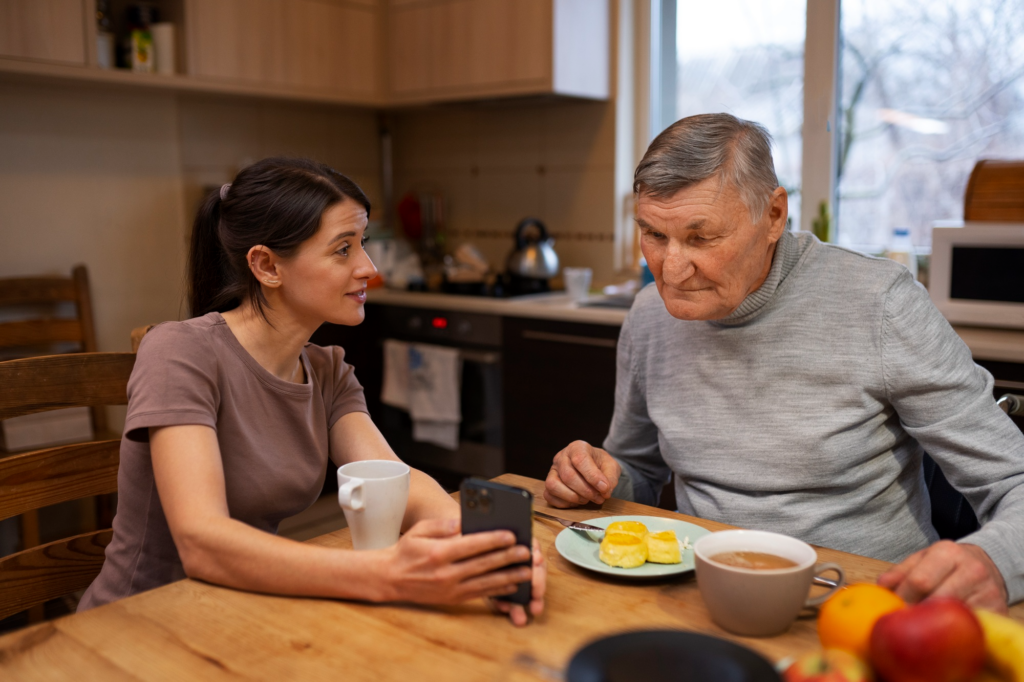
Caregivers assist with meal planning, preparation, and hydration, ensuring seniors maintain proper nutrition while reducing the risks for seniors living alone.
Emotional and Social Isolation
Social interaction is vital for mental and emotional well-being. Loneliness and isolation can lead to depression, anxiety, and cognitive decline.
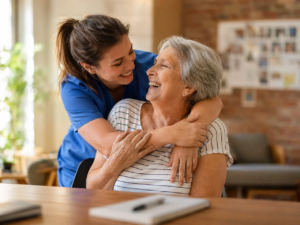
Caregivers provide companionship, conversation, and engagement in daily activities, mitigating the negative effects of isolation. Families often do not realize the importance of consistent social support until the impacts are evident.
Early Warning Signs Families Often Miss
Families may not immediately recognize the gradual decline that occurs when seniors live alone. Some warning signs include:
- Unopened mail or unpaid bills
- Changes in personal hygiene
- Weight loss or gain
- Increased confusion or forgetfulness
- Hesitation to leave the house
By understanding these signs, families can intervene early and prevent serious consequences.
How In-Home Care Bridges the Safety Gap
Professional in-home care helps seniors remain independent while mitigating risks. Live-in care giving, monitoring, and personalized support address both physical and emotional needs, filling the “safety gap” that develops when seniors live alone.
By incorporating specialized in-home care, families can ensure that seniors receive timely assistance, proper nutrition, social interaction, and emotional reassurance.
At Live Easy Home Care, we help families address the risks for seniors living alone with senior care services, including in-home memory care and veteran home care, designed to meet unique needs. Our experienced caregivers provide safety, companionship, and assistance with daily routines. By tailoring care plans to each individual, we ensure seniors in Northern New Jersey remain comfortable, supported, and independent.
Reach out now.