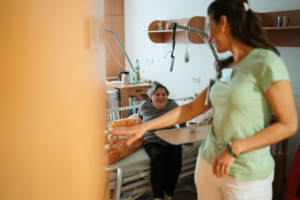

Aging at home feels like the most natural choice for many families. Familiar surroundings provide comfort, autonomy, and a sense of dignity that institutional environments often lack. Yet comfort alone does not guarantee safety or stability, especially as daily routines grow harder to maintain.
Many families only recognize the risks of aging at home after something goes wrong. The early warning signs often hide in plain sight, quietly affecting nutrition, medication habits, and social engagement. Understanding these gaps early allows families to preserve independence rather than react to preventable decline.
This article explores what families often miss, why those gaps matter, and how long-term home care support helps older adults remain safe, stable, and engaged in their own homes.
Why Aging at Home Requires More Than Familiarity
1. Comfort Does Not Replace Structure
A familiar home reduces stress, but it does not automatically support daily function. As people age, tasks that once felt effortless begin to require more energy and attention. Cooking, cleaning, organizing medications, and staying socially engaged all demand consistency.
Without structure, small disruptions multiply. Skipped meals lead to fatigue. Fatigue leads to missed medications. Missed medications affect balance and clarity. Over time, these patterns create risk even in the safest-looking home.
This reality explains why many families eventually seek in-home health care in Bergen County to reinforce daily systems while allowing loved ones to remain where they feel most comfortable.

2. The Limits of Family Oversight
Family involvement remains essential, but it has limits. Adult children often juggle work, children, and distance. Visits provide reassurance, but they do not reveal daily habits. Phone calls capture tone, not routine.
Most decline occurs between visits. Without consistent observation, families rely on assumptions rather than patterns. Long-term home care fills that gap by supporting everyday consistency rather than occasional check-ins.
3. Independence Thrives With Support
True independence depends on stability. When routines remain predictable, older adults maintain confidence and control. When routines falter, independence erodes quietly.
Long-term, home care services in Bergen County help preserve independence by reinforcing the systems that allow aging at home to work over time.
Nutrition Decline—The First Hidden Gap
Why Nutrition Slips Without Notice
Nutrition rarely collapses suddenly. It declines gradually as cooking feels tiring and eating alone feels unmotivating. Older adults may rely on convenience foods, skip meals, or avoid protein because preparation feels difficult.
Families often ask, “Did you eat?” and accept “Yes” as reassurance. The real question should focus on what and how consistently someone eats.
The Impact of Poor Nutrition
Inadequate nutrition weakens muscle strength, balance, and immune function. Protein loss accelerates muscle decline, increasing fall risk. Low hydration worsens dizziness and confusion. These changes affect daily safety long before they appear severe.
Long-term senior care focuses on maintaining nourishment as a foundation for mobility, clarity, and confidence.

How Home Care Stabilizes Nutrition
Consistent home care support in Bergen County helps older adults maintain regular, balanced meals without removing choice or dignity. Caregivers encourage hydration, reinforce meal routines, and notice appetite changes early. This steady support prevents minor nutritional issues from turning into major setbacks.
Medication Drift and the Risk of Inconsistency
Why Medication Errors Increase With Age
Medication routines grow more complex over time. Vision changes, memory strain, and multiple prescriptions increase confusion. Instructions vary, refill schedules differ, and pills look similar.
Medication drift often begins quietly. A missed dose leads to a double dose later. Uncertainty replaces routine.
Common Forms of Medication Drift
Medication drift often includes skipped doses, repeated doses, incorrect timing, or continued use of discontinued medications. These issues rarely feel urgent, but they gradually undermine stability.
Long-term home care focuses on consistency, not control. Caregivers support routine and observation rather than taking over decision-making.
Preventing Long-Term Risk
Reliable home care services in Bergen County help reduce medication drift through predictable schedules and daily awareness. Families gain peace of mind knowing routines remain steady even when memory fluctuates.

Isolation—The Most Overlooked Threat
Why Isolation Goes Unnoticed
Isolation often hides behind polite conversations. A cheerful phone call does not reflect long hours without engagement, movement, or purpose. Many older adults withdraw gradually, not dramatically. Isolation affects motivation first. Reduced motivation affects nutrition, movement, and self-care.
The Downward Cycle of Isolation
Isolation reduces social interaction, which reduces activity. Reduced activity leads to weakness and fear of movement. Fear further limits engagement. This cycle accelerates decline without obvious warning signs. Effective senior care addresses emotional well-being alongside physical routines.
Daily Engagement Matters
Consistent home care support in Bergen County introduces regular interaction and purposeful activity into daily life. Caregivers encourage movement, conversation, and engagement without overwhelming routines. This steady presence restores rhythm and connection.
Cognitive Changes Require Predictable Care
Dementia and Routine Disruption
Dementia and Alzheimer’s affect memory, judgment, and sequencing. Missed meals, medication errors, and unsafe movement become more likely without structure. Effective dementia care emphasizes familiarity, predictability, and calm repetition rather than correction.
Supporting Alzheimer’s at Home
Alzheimer’s care works best when routines remain consistent, and environments stay familiar. Removing someone from their home often increases confusion and agitation.
Long-term specialized in-home memory care in Bergen County helps families support cognitive change while preserving dignity and comfort.
Supporting Veterans Aging at Home
Why Veteran Care Requires Thoughtful Planning
Many veterans value independence, routine, and familiarity deeply. Aging at home allows them to maintain identity and comfort, but it still requires structure. Effective home care for veterans respects personal history while reinforcing daily stability.
Long-Term Support for Veterans
Consistent home care helps veterans maintain routine, nutrition, and engagement without disrupting their environment. This approach aligns care with personal values rather than imposing unfamiliar systems.
Planning for Long-Term Care Needs
Why Long-Term Planning Matters
Families often wait until a crisis to seek support. By then, options feel limited, and decisions feel rushed. Planning earlier allows for smoother transitions and better outcomes.
Stability Over Time
Long-term home care focuses on consistency rather than short-term fixes. Stable caregiver relationships build trust and reduce stress for both families and older adults.
Why Long-Term Home Care Works Best When Families Plan Early
Families often delay decisions about home care because everything appears manageable on the surface. A parent still lives independently, manages conversations well, and handles basic tasks with effort. That appearance can create a false sense of stability that hides a gradual decline.
Long-term home care works best when families plan early rather than wait for disruption. Early planning allows care to support routines before habits weaken, instead of trying to rebuild stability after it breaks. This approach reduces stress for families and preserves confidence for older adults.
One of the most important benefits of in-home health care in Bergen County lies in its ability to grow alongside changing needs. Care does not begin with intensity. It begins with consistency. Over time, small supports—regular meals, predictable schedules, daily engagement—prevent larger problems from forming.
Families who plan early also create space for trust to develop. Stable caregiver relationships matter. Familiar faces reduce anxiety, improve cooperation, and support dignity. This stability defines effective home care services in Bergen County, where continuity matters more than speed.
Long-term planning also supports individuals facing memory changes. Dementia care and Alzheimer’s home care in Alpine NJ, work best when routines feel familiar, and environments remain unchanged. Introducing structure gradually helps reduce confusion and agitation while preserving autonomy. Predictability becomes a source of comfort rather than control.
Veterans and their families often value early planning even more. Structured routines, respect for independence, and consistency align closely with personal values shaped by service. Thoughtful home care for veterans supports daily stability while honoring identity and history.
Above all, long-term home care support in Bergen County works because it focuses on prevention, not reaction. Care reinforces daily systems that allow aging at home to remain safe, calm, and dignified over time. Families gain clarity, older adults gain confidence, and care relationships grow stronger with consistency.

Book an Appointment With Live Easy Home Care
Aging at home works best when daily routines remain consistent and well supported. Families need reliable, long-term home care that strengthens nutrition habits, supports medication routines, and reduces isolation—without disrupting independence.
Live Easy Home Care provides ongoing, in-home support built around stability, professionalism, and trusted caregiver relationships. We support clients who use long-term care insurance as part of their care planning, which can make ongoing in-home support more accessible for many households.
Book an appointment to discuss care needs and create a long-term plan that supports comfort, safety, and confidence at home.