
As seniors age, many choose to remain in the comfort of their own homes. While this decision supports independence, it can also bring challenges such as loneliness, anxiety, and reduced social interaction. This is where live-in care becomes a meaningful solution. Beyond physical assistance, the emotional benefits of live-in care for seniors are profound and often overlooked.
Live-in caregivers provide more than just support with daily tasks—they offer companionship, reassurance, and a consistent presence that enhances emotional well-being. In this blog, we explore how live-in care positively impacts seniors living alone and why it plays a vital role in long-term home care.
Understanding the Emotional Needs of Seniors Living Alone
Living alone can be empowering, but it also comes with emotional challenges. Seniors may experience:
- Loneliness due to reduced social circles
- Anxiety about health or emergencies
- Loss of routine or purpose
- Feelings of isolation, especially after losing a spouse or close friends
These emotional concerns can affect overall health, leading to depression, cognitive decline, and even physical illness. Addressing these needs is essential for maintaining a senior’s quality of life.
This is where the emotional benefits of live-in care for seniors become especially important. A live-in caregiver provides not only assistance but also a meaningful human connection.
What Is Live-In Care?
Live-in care involves a professional caregiver residing in the senior’s home to provide continuous support. Unlike short-term or hourly care, live-in care focuses on long-term assistance tailored to the individual’s needs.
This model ensures that seniors receive consistent, personalized care while remaining in a familiar and comfortable environment. The caregiver becomes a trusted companion, contributing to both physical and emotional well-being.

The Emotional Benefits of Live-In Care for Seniors
1. Reduces Loneliness and Isolation
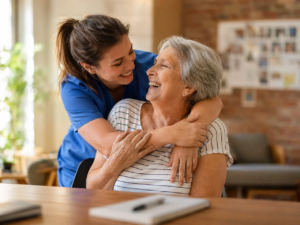
One of the most significant emotional benefits of live-in care is companionship. Seniors living alone often face long periods without meaningful interaction, which can lead to feelings of isolation.
A live-in caregiver provides consistent companionship—engaging in conversations, sharing meals, and participating in activities together. This daily interaction helps seniors feel connected and valued.
By addressing loneliness, live-in care improves mood and promotes a more positive outlook on life.
2. Provides a Sense of Security
Living alone can create anxiety, especially when seniors worry about emergencies such as falls or sudden health issues.
Having a caregiver present at all times offers reassurance. Seniors know that someone is there to assist them immediately if needed. This sense of security significantly reduces stress and allows them to feel safe in their own homes.
The emotional benefits of live-in care for seniors include peace of mind, which contributes to overall well-being.
3. Encourages Routine and Stability
A structured daily routine is essential for emotional health. Seniors living alone may struggle to maintain consistent schedules for meals, medication, and activities.
Live-in caregivers help establish and maintain routines, creating a sense of stability. Regular schedules provide comfort and reduce confusion, particularly for seniors with cognitive challenges.
Consistency in daily life fosters a sense of control and predictability, which is crucial for emotional balance.
4. Supports Independence with Confidence
While seniors may need assistance, they still value their independence. Live-in care supports this by providing help only when needed, allowing seniors to remain actively involved in their daily lives.
Caregivers encourage seniors to participate in tasks they can manage, reinforcing confidence and self-worth. This balance between support and independence is key to maintaining dignity and emotional health.
The emotional benefits of live-in care for seniors are closely tied to preserving autonomy.
5. Builds Meaningful Relationships
Over time, live-in caregivers often develop strong, trusting relationships with the seniors they care for. These relationships go beyond professional duties and provide a genuine emotional connection.
Having someone who listens, understands, and shares daily experiences can significantly improve a senior’s outlook on life. These bonds help reduce feelings of loneliness and create a sense of belonging.
For many seniors, their caregiver becomes a trusted companion and friend.
6. Improves Mental Health
Emotional well-being has a direct impact on mental health. Seniors who feel supported and connected are less likely to experience depression or anxiety.
Live-in caregivers provide emotional reassurance, encourage engagement in activities, and help seniors stay mentally active. Whether it’s reading, playing games, or discussing current events, these interactions stimulate the mind and promote cognitive health.
By addressing emotional needs, live-in care contributes to improved mental resilience.
7. Enhances Family Peace of Mind
Family members often worry about loved ones living alone, especially if they cannot be present daily.
Live-in care provides reassurance that a trusted professional is always there to support the senior. This reduces stress for families and allows them to focus on maintaining positive relationships rather than worrying about caregiving responsibilities.
Knowing that their loved one is emotionally and physically supported brings comfort to the entire family.

The Role of Live-In Care in Dementia and Memory Care
Seniors with dementia or memory-related conditions require specialized emotional support. Confusion, anxiety, and frustration are common, making consistent care essential.
Live-in caregivers trained in memory care provide:
- Familiar routines to reduce confusion
- Gentle communication and reassurance
- Emotional support during moments of distress
The presence of a consistent caregiver helps build trust and reduce agitation. For seniors with cognitive challenges, the emotional benefits of live-in care are especially significant, as they provide stability and comfort in an otherwise uncertain experience.
Feel the Comfort of Affordable Live-In Care
- Affordable Live-In Care
- Senior Care
- emotional support
Why Home-Based Care Matters
Receiving care at home plays a crucial role in emotional well-being. Familiar surroundings provide comfort, reduce stress, and support independence.
Unlike institutional settings, home care allows seniors to maintain their lifestyle, routines, and personal preferences. This sense of familiarity enhances emotional security and promotes a positive state of mind.
Live-in care combines the benefits of professional support with the comfort of home, creating an ideal environment for emotional wellness.

Practical Ways Live-In Care Enhances Emotional Well-Being
Personalized Interaction
Caregivers tailor their approach to each senior’s personality, preferences, and emotional needs. This individualized attention ensures meaningful engagement.
Encouraging Hobbies and Interests
Live-in caregivers help seniors continue activities they enjoy, such as gardening, reading, or crafting. These activities provide a sense of purpose and fulfillment.
Supporting Social Connections
Caregivers can facilitate visits, phone calls, or virtual interactions with family and friends, helping seniors maintain relationships.
Providing Emotional Reassurance
Simple gestures like listening, offering encouragement, or providing comfort during difficult moments can have a profound impact on emotional health.
Choosing the Right Live-In Care Provider
To fully experience the emotional benefits of live-in care, it’s important to choose a provider that prioritizes compassion, professionalism, and long-term support.
Look for:
- Experienced and trained caregivers
- Personalized care plans
- Consistent caregiver assignments
- A focus on emotional as well as physical well-being
- A commitment to long-term, in-home care services
Selecting the right provider ensures that seniors receive care that truly enhances their quality of life.

Long-Term Impact of Live-In Care
The emotional benefits of live-in care extend far beyond immediate comfort, creating lasting positive changes in a senior’s overall well-being. Over time, consistent companionship and support help seniors build greater confidence and independence, allowing them to remain active participants in their daily lives. This steady encouragement also fosters stronger emotional resilience, helping them cope better with age-related challenges and life transitions.
With regular interaction and engagement, seniors often experience improved mental health, including reduced anxiety, depression, and feelings of isolation. At the same time, structured routines and attentive care contribute to better physical health, as seniors are more likely to follow wellness plans and stay active.
Ultimately, these combined benefits lead to an enhanced quality of life, where seniors feel secure, valued, and connected. By addressing emotional and physical needs together, live-in care provides a truly holistic approach that supports long-term well-being and stability.
Supporting Seniors with Compassionate Care
The importance of emotional well-being in senior care cannot be overstated. Seniors living alone face unique challenges, but live-in care provides a solution that addresses both practical and emotional needs.
By offering companionship, security, and personalized support, live-in caregivers help seniors live fulfilling, independent lives in the comfort of their homes.
The emotional benefits of live-in care in Franklin Lakes, for seniors are not just an added advantage; they are a fundamental aspect of quality care.

At Live Easy Home Care, we understand that quality care is not just about meeting physical needs—it’s about delivering the true emotional benefits of live-in care for seniors every day. Our approach focuses on building trust, companionship, and a sense of security for seniors who wish to remain in the comfort of their own homes. Through our dependable 24-hour home care in Bergen County, we ensure that no senior ever feels alone or unsupported.
Our team of experienced caregivers is committed to providing compassionate, personalized support that promotes independence while respecting each individual’s preferences and routines. We specialize in senior care at home, including tailored dementia and memory care, helping seniors maintain stability and emotional well-being over time. As a trusted licensed home care agency, we also guide families through long-term care planning, ensuring consistent and reliable support.
Whether you are looking for veteran home care or other comprehensive senior care services, we are here to help. Reach out now.