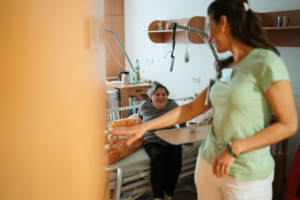

As our loved ones age, it can be difficult to determine when occasional assistance is no longer enough. Recognizing the signs of increasing home care needs early can help families intervene before small challenges become serious issues. Paying attention to subtle changes in behavior, health, and daily routines is crucial for ensuring safety, comfort, and overall well-being.
Changes in Mobility and Physical Health
One of the first indicators that a loved one may need more support is a noticeable decline in mobility. Difficulty getting out of bed, using stairs, or walking short distances can increase the risk of falls. Seniors who previously managed daily tasks independently may begin showing signs of fatigue, unsteady gait, or reduced strength.
Observing these changes early allows families to explore options like 24-hour home care or live-in caregivers, ensuring that assistance is available when needed. Prompt support can help prevent injuries and maintain independence longer.
Cognitive Changes and Memory Concerns
Cognitive shifts are another important warning sign. Forgetfulness, confusion about familiar tasks, or difficulty managing medications may indicate that a senior requires more structured supervision. These changes are particularly concerning for those at risk of dementia or memory-related conditions. Trained caregivers help maintain routines, offer gentle reminders, and ensure safety while respecting the individual’s dignity.
Withdrawal from Daily Activities
A sudden disinterest in hobbies, social interactions, or personal care can also signal that a loved one is struggling to manage on their own. Skipping meals, neglecting hygiene, or avoiding previously enjoyed activities often reflects underlying physical, cognitive, or emotional challenges.
Mood and Behavioral Changes
Changes in mood, such as increased irritability, anxiety, or depression, may accompany other early warning signs. These shifts can indicate frustration with declining abilities or the stress of trying to maintain independence without adequate support.
Caregivers who provide 24-hour home care or flexible live-in arrangements can help reduce stress, provide companionship, and ensure daily tasks are manageable, improving overall quality of life.

Taking Action Before It’s Too Late
Recognizing the signs of increasing home care needs early is essential to maintaining safety, health, and well-being. At Live Easy Home Care, we work closely with families to evaluate needs and develop personalized care plans. Our services include 24-hour home care in Cresskill NJ, specialized memory support, and experienced caregivers for seniors and veterans alike. By acting proactively, we help ensure your loved one receives the right level of care at the right time.
Reach out today to learn how we can provide compassionate, tailored support that adapts as needs change.