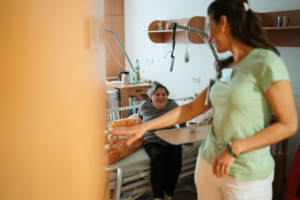

Is your loved one receiving simple help, or do they need real care to stay safe at home? Many families blur this line. That confusion often delays the right support and increases daily risk. A clear understanding leads to better decisions and stronger outcomes.
When “Help” Still Works
Help supports tasks, not the person. Family members may cook meals, manage errands, or offer rides. These actions reduce inconvenience, but they do not address physical decline or cognitive changes. Help works only when seniors remain steady, alert, and independent.
Once balance weakens or memory slips, help starts to fall short. Missed cues and inconsistent routines slowly erode safety. Families often notice strain before they notice danger.
What “Care” Provides That Help Cannot
Care focuses on the senior’s full daily experience. It supports bathing, dressing, mobility, and hygiene while protecting dignity. Care also brings consistency, observation, and accountability.
Families often seek personal care assistance in Bergen County when loved ones need structured routines rather than occasional favors. This level of care supports long-term stability at home and reduces preventable incidents.
Why Informal Support Creates Hidden Risk
Casual assistance lacks training and oversight. Well-intentioned helpers may lift incorrectly, ignore early warning signs, or underestimate fatigue. These gaps rarely appear dramatic, but they compound quietly.
Many families explore home health care services in Bergen County after repeated near-misses. Long-term, in-home care shifts support from reaction to prevention, which protects both seniors and families.

Professional Care Builds Consistency
Professional care introduces standards and continuity. Trained caregivers follow care plans, communicate changes, and maintain predictable schedules. Seniors respond well to familiar faces and steady routines.
Families often choose certified caregivers in Bergen County because preparation and accountability matter over time. Certification reinforces reliability while preserving warmth and respect.
Long-Term Care Supports Aging in Place
Seniors thrive with routines they can trust. Long-term, in-home care reduces stress, supports independence, and strengthens daily confidence. It also allows families to stay involved without carrying every responsibility alone.
A licensed home care agency in Bergen County coordinates caregivers and schedules to sustain these relationships. This approach supports ongoing care relationships instead of temporary fixes.
Knowing When to Make the Shift
Warning signs often include frequent falls, skipped hygiene, confusion, or withdrawal. When these patterns appear, families should move beyond task-based help and plan for consistent care.
Recognizing this shift early protects comfort, safety, and dignity at home.
Supporting Long-Term Care at Home
At Live Easy Home Care, we provide long-term, in-home care built on consistency and trust. We focus on stable schedules and committed caregivers who support ongoing care relationships. We also accept clients who have long-term care insurance as part of eligibility support. Book an appointment to learn how we help families plan sustainable care at home.