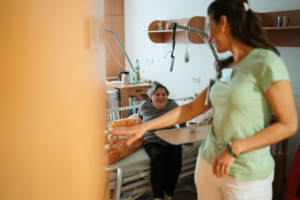

Caring for an aging parent or family member can be both meaningful and overwhelming. When daily tasks become harder, subtle warning signs often appear long before a crisis happens. For families in Alpine, recognizing these early changes can help you take proactive steps and explore home care options that keep your loved one safe, comfortable, and supported in familiar surroundings.
- Increasing Difficulty with Daily Tasks
One of the first indicators that a loved one may need additional help is noticeable difficulty completing routine activities. Tasks such as bathing, dressing, cooking, and managing personal hygiene can become physically challenging over time. If you find your parent skipping meals, wearing the same clothes repeatedly, or having trouble getting in and out of bed safely, these are strong signs that personal care assistance at home may be beneficial.
Professional caregivers are trained to support seniors with dignity, offering the right level of help while still encouraging independence.
- Changes in Mobility or Frequent Falls
Mobility issues tend to develop gradually, making them easy to overlook. You may notice slower movement, hesitation on stairs, or new reliance on furniture for balance. Even one fall can have serious consequences for seniors, and repeated stumbles often signal the need for at-home support.
Introducing safety-focused care assistance early can prevent injuries and reduce anxiety for both seniors and their families. Caregivers can help with walking, transfers, and home safety modifications.
- Noticeable Memory Loss or Confusion
Memory-related changes can be especially distressing. Forgetting appointments, misplacing essential items, or repeating the same questions may indicate more than aging—it may be a sign of cognitive decline. Seniors experiencing confusion or disorientation may also leave appliances on, wander outdoors, or struggle with medication routines.
In these situations, families often benefit from specialized dementia care that provides structured routines and calm, consistent guidance throughout the day.
- Withdrawal from Social Activities
If a loved one becomes isolated, avoids friends, or stops participating in hobbies they once enjoyed, it may reflect physical limitations, emotional challenges, or loneliness. Companionship plays an important role in overall well-being, and social withdrawal is a major warning sign that extra support is needed.
Companion caregivers offer meaningful interaction, conversation, and encouragement, helping seniors stay emotionally connected and active.
- Changes in Household Condition
Another early red flag appears in the home itself. Piled-up laundry, spoiled food, overflowing trash cans, or unpaid bills can indicate that managing the household has become overwhelming. Sometimes these issues develop slowly, making them easy to miss during quick visits.
In-home care provides practical help that keeps the home environment clean, organized, and safe.

- Increased Irritability, Anxiety, or Mood Changes
Emotional shifts often accompany declining health. Seniors may become frustrated by physical limitations or anxious about being alone. Mood changes aren’t just emotional—they can indicate that a senior is overwhelmed by daily responsibilities or struggling with tasks they used to manage easily.
Support from experienced caregivers helps reduce stress by providing steady, reassuring assistance throughout the day.
- Difficulty Managing Medications
Many seniors take multiple prescriptions, and missing doses or taking medications incorrectly can lead to serious health complications. Signs like expired medications, duplicate bottles, or confusion about dosage schedules are strong indicators that it may be time to seek help.
Home health aides provide reminders, monitor general well-being, and help seniors stay on track with medication routines.
How Home Care Helps Families Make the Right Choice
Recognizing these early signs doesn’t mean you’re taking independence away—it means you’re ensuring safety, comfort, and stability. With elderly care available right in the home, seniors can remain in the community they love, close to neighbors, routines, and memories.
Agencies like Live Easy Home Care offer tailored 24-Hour Home Care in Bergen County, that aligns with your family’s needs. Their caregivers understand how to balance independence with hands-on help, creating a safe, nurturing environment for aging adults.
Live Easy Home Care: Support You Can Trust in Alpine
If you’re noticing any of these warning signs in someone you love, taking the next step doesn’t have to feel overwhelming. Live Easy Home Care provides compassionate, personalized support designed to help seniors live confidently at home.
Learn more about their mission on the About Us page, explore their full list of services on the Services page, or reach out directly through their Contact Us page to discuss the right care plan for your family.