
As seniors age, safety changes from being a mere concern to a daily priority. Families in Bergen County seeking 24-hour home care support often worry about nighttime risks, especially falls, disorientation, and medical complications. That’s why overnight fall prevention and 24-hour care have become one of the most critical aspects of aging in place.
With the right assessment, professional guidance, and individualized support, the home can become the safest possible environment. This guide breaks down each component of a comprehensive home safety strategy, from environmental modifications to caregiver-led risk reduction, and explains how 24-hour senior support improves mobility, reduces hazards, and prevents hospitalizations.
Why Overnight Hours Are the Highest-Risk Time for Seniors
Nighttime is statistically the most dangerous period for older adults. Over 50% of senior fall-related injuries take place between 6 p.m. and 6 a.m. Several factors contribute to this:
- Reduced visibility
- Medication side effects
- Sleep disturbances
- Disorientation
- Sarcopenia (Decline in muscle mass and strength)
- Urgent or frequent bathroom trips
- Dehydration
- Chronic conditions like arthritis, neuropathy, or dementia
This makes overnight fall prevention 24-hour care crucial, especially for seniors who live alone or have limited mobility.
- Cognitive Changes Increase Nighttime Risks
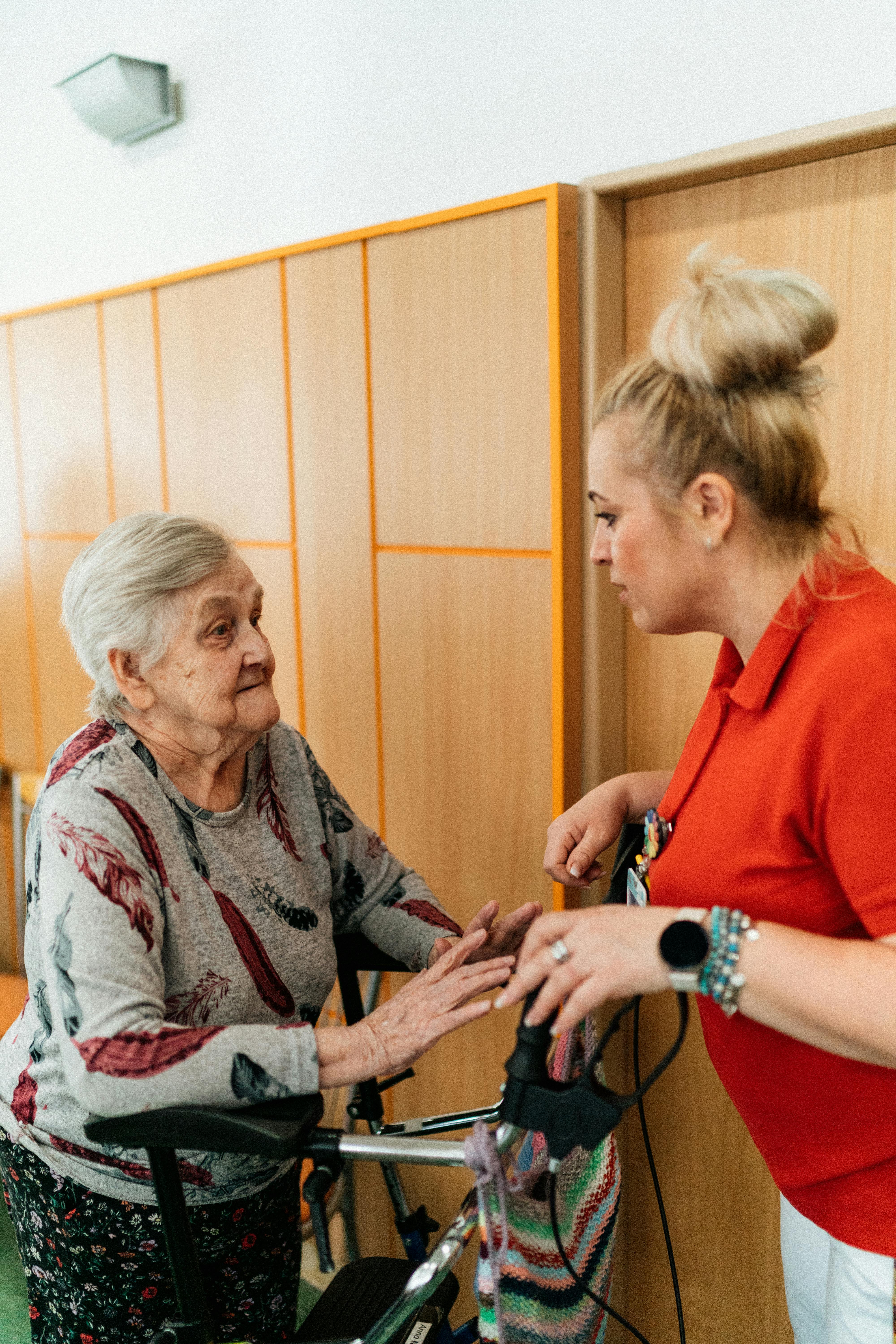
Seniors with dementia or Alzheimer’s experience “sundowning,” where confusion and agitation worsen in the evening. A trained caregiver provides reassurance, redirection, and supervision, preventing wandering, unsafe movements, and panic-related injuries.
2. Medical Emergencies Are More Dangerous at Night
Without someone awake to assist, seniors experiencing vertigo, chest pain, blood sugar issues, or difficulty breathing may not be able to call for help. 24-hour home care in Bergen County ensures immediate response and emergency protocol execution.
The Role of a Comprehensive Home Safety Assessment
A home assessment is the first step in preventing falls and improving safety. This process identifies hazards, evaluates mobility challenges, and tailors modifications based on individual needs.
1. Entryways and Hallways
- Tripping hazards
- Poor lighting
- Unstable stair railings
- Slippery flooring
- Rug edges or uneven surfaces
Motion-sensor lighting is especially important for overnight fall prevention, as it guides seniors safely to the bathroom or kitchen.

- Bedroom Safety Enhancements
Bedrooms require special attention:
- Nightlights or LED floor strips
- Adjustable beds
- Bed rails (when appropriate)
- Low bedside tables
- Medical alert devices
Professionals often recommend removing clutter and ensuring there is a clear, wide path from bed to bathroom.
3. Bathroom Modifications
Bathrooms are the most common site for falls. Safety upgrades include:
- Grab bars near toilets and showers
- Non-slip mats
- Raised toilet seats
- Shower chairs
- Handheld shower heads
These adjustments are essential for seniors receiving 24-hour in-home care in Bergen County and dramatically reduce bathroom-related risks.
4. Living Room and Kitchen Adjustments
In these active areas, caregivers check for:
- Overextended electrical cords
- Unstable furniture
- Excessive decor or obstacles
- Inaccessible items placed too high or too low
The goal is a clean, open layout that supports mobility devices and reduces strain.

Managing Complex Medical Equipment Safely at Home
When seniors choose to age in place, they often use equipment like:
- Oxygen concentrators
- CPAP machines
- Hospital beds
- Insulin pumps
- Mobility aids
- Transfer equipment
- Medication management systems
Professional caregivers help assemble, maintain, and safely operate these devices, reducing the risk of misuse or injury.
1. Safe Transfers and Mobility Support
Improper lifting or transferring is a major fall risk. Caregivers trained in:
- Gait assistance
- Transfer belts
- Wheelchair safety
- Mechanical lift usage
prevent accidents while helping seniors maintain independence.
2. Medication Monitoring
Medication errors account for up to 30% of hospital admissions in seniors. With 24-hour home care, caregivers:
- Track medication schedules
- Monitor for side effects
- Prevent nighttime disorientation from sedatives
- Ensure safe storage and proper dosing
This oversight is a key component of 24-hour home care and fall prevention.
The Science Behind Fall Prevention and Continuous Monitoring
Falls are not random; they are predictable and preventable. Research from the CDC and WHO shows that falls can be reduced by up to 40% with consistent supervision and proper risk assessment.
1. Continuous Monitoring Reduces Environmental Risks
A caregiver awake at night ensures that:
- Seniors don’t get up unattended
- Bathroom trips are supervised
- Mobility devices are within reach
- Oxygen or medical devices remain properly positioned
- Lighting stays adequate
This alone dramatically reduces emergency room visits.
2. Personalized Fall Prevention Plans
Each senior’s risks differ. A personalized plan may include:
- Balance and gait exercises
- Proper footwear
- Hydration reminders
- Physiotherapy coordination
- Environmental modifications
- Medication reviews
This multi-layered approach is central to effective 24-hour care in Bergen County.

Specialized 24-Hour Care for Seniors With Chronic Conditions
Certain medical conditions increase fall risk. Seniors with:
- Parkinson’s disease
- Stroke after-effects
- Alzheimer’s or dementia
- Osteoporosis
- Congestive heart failure
- Arthritis
- Neuropathy
often require 24-hour supervision to remain safe at home.
Certified caregivers trained in these areas can anticipate problems before they escalate, ensuring safety, comfort, and confidence.
How 24-Hour Care Prevents Hospitalizations
Hospitalizations are often triggered by:
- Falls
- Dehydration
- Medication errors
- Improper medical equipment use
- Missed meals
- Lack of nighttime supervision
A professionally trained caregiver helps seniors maintain:
- Mobility routines
- Proper hydration
- Medication accuracy
- Safe bathroom habits
- Nutritional balance
- Monitoring of vital concerns
This proactive approach prevents emergencies from happening in the first place.
Home Care for Veterans
Many veterans aging at home face unique challenges, including mobility limitations, chronic pain, PTSD symptoms, and complex medical routines. Caregivers trained in home care for veterans understand VA benefits, physical challenges, and emotional needs.
Veterans often benefit significantly from:
- Stable nighttime supervision
- Safe mobility support
- Medication monitoring
- Emotional reassurance
- Equipment assistance
- Chronic pain management routines
For them, overnight fall prevention and 24-hour care is not only about safety; it’s about dignity, independence, and long-term health.
Why 24-Hour Home Care in Bergen County Outperforms Institutional Care
While facilities offer structure, they cannot match:
- One-on-one supervision
- Personalized mobility routines
- Home comfort
- Familiar surroundings
- Flexible nighttime care
- Dedicated overnight monitoring
Seniors with 24-hour home care experience:
- Fewer falls
- Lower hospitalization rates
- Higher emotional stability
- More consistent sleep
- Greater independence
- Better long-term outcomes
This personalized care model ensures each senior receives exactly what they need, when they need it.
Why Safety Begins at Home for Every Senior
When falls are one of the leading causes of senior injuries and hospitalizations, families must take a proactive approach to nighttime safety. With comprehensive home assessments, professional caregiver oversight, and a customized plan for overnight fall prevention, seniors in Bergen County can remain safe, comfortable, and protected in the place they love most: their home.
Get Trusted, 24-Hour Support From Live Easy Home Care
Choosing the right support system can make all the difference in a senior’s safety, comfort, and overall well-being. With comprehensive home assessments, proactive fall-prevention strategies, and highly trained caregivers, 24-hour home care in Bergen County provides a safer, more stable alternative to managing these risks alone. Families can rely on expert guidance, compassionate attention, and continuous monitoring to prevent overnight falls, reduce emergency room visits, and keep loved ones secure.
Live Easy Home Care offers specialized care giving, in-home senior support, dementia and memory care programs, veteran home care in Bergen County, assistance, and round-the-clock supervision tailored to each individual’s needs. Contact us today to discuss personalized care options and learn how we can help your family create a safer home environment.