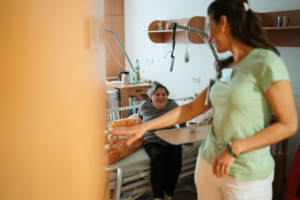

One of the biggest fears after a loved one’s hospital stay is a quick return trip. Unfortunately, it’s a common reality. Seniors are often at their most vulnerable after being discharged—weakened, disoriented, and at a higher risk for falls or complications. This fragile state can quickly lead to readmission. The key to breaking this cycle is creating a seamless and supportive transition from the hospital to the home. Expert post hospital care services for elderly new jersey are specifically designed to bridge this gap. By providing professional oversight and hands-on assistance, you can ensure your parent has the support they need to regain their strength, stick to their recovery plan, and heal safely for the long term.
Key Takeaways
- Vet your provider and prep the home: Before your loved one is discharged, confirm caregivers are certified (like CHHAs in NJ) and make simple home modifications, like clearing walkways and installing grab bars, to ensure a safe recovery space.
- Look beyond Medicare to fund care: Medicare rarely covers the non-medical home care most seniors need, so investigate other resources like long-term care insurance, VA benefits, and New Jersey state assistance programs to create a solid financial plan.
- Treat the care plan as a living document: Your loved one’s needs will change after they come home. Maintain open communication with the care team and medical providers to regularly adjust the plan, ensuring they always have the right level of support.
What is Post-Hospital Care in New Jersey?
Bringing a loved one home from the hospital is a relief, but it also marks the beginning of a critical recovery period. Post-hospital care is the support system that helps seniors in New Jersey transition safely from a hospital setting back to their own homes. After a hospital stay, older adults are often tired, in discomfort, and facing a complex set of instructions for medications, diet, and physical activity. This transitional phase can be risky, as seniors may be weaker and more vulnerable to new health problems or injuries.
The primary goal of post-hospital care is to bridge the gap between hospital discharge and a full, safe recovery at home. It’s designed to provide the necessary assistance to follow doctor’s orders, prevent complications, and avoid a stressful and costly readmission to the hospital. This support can range from help with daily activities to more specialized medical oversight, ensuring your loved one has everything they need to heal properly in a comfortable and familiar environment. It’s about creating a safety net that promotes both physical healing and peace of mind for the entire family.
Explore Your Care Options
When your loved one is ready to leave the hospital, one of the best options to consider is professional in-home care. The main objective is to ensure they can return home safely and stick to their prescribed recovery plan. A professional caregiver can help manage medications, prepare appropriate meals, and assist with mobility, all of which are crucial for preventing setbacks like infections or falls. This dedicated support is especially important following a procedure, which is why many families arrange for specialized post-surgery care to facilitate a smooth and successful recovery.
Why Choose Professional Care?
While family members provide invaluable love and support, the demands of post-hospital recovery can be overwhelming. Professional care services allow your loved one to focus their energy on healing, not on daily chores. A trained caregiver can assist with personal tasks like bathing and dressing, which not only prevents falls but also helps your loved one feel dignified and comfortable. By handing these responsibilities over to skilled home caregivers, you can ensure your family member is safe and well-cared for, giving you the freedom to focus on providing emotional support during their recovery.
Navigating Common Recovery Challenges
The road to recovery is often filled with obstacles. Many seniors face challenges with transportation, making it difficult to get to follow-up medical appointments. There’s also a risk of malnutrition if they can’t shop for groceries or cook for themselves, and physical deconditioning can set in without proper support. Managing a new and often complicated medication schedule is another common hurdle. Professional companion care can directly address these issues by providing transportation, preparing nutritious meals, and offering medication reminders, clearing the path for a steadier recovery.
How to Choose the Right Care Provider
Bringing a professional caregiver into your loved one’s home is a significant decision, and it’s normal to feel a little overwhelmed by the options. After a hospital stay, the choice feels even more urgent. You need a partner you can trust to provide compassionate, skilled, and reliable support. Focusing on a few key areas—like credentials, training, and communication—can help you find a provider that gives your family peace of mind and helps your loved one recover safely and comfortably.
Look for Key Certifications and Experience
When you start your search, the first thing to confirm is that the agency’s caregivers have the right credentials. In New Jersey, professional aides must be Certified Home Health Aides (CHHAs). This certification ensures they have met state-mandated training requirements and are qualified to provide hands-on personal care. Don’t hesitate to ask an agency to verify the certification of their staff. Beyond the paperwork, look for experience relevant to your loved one’s needs. A caregiver with a background in post-surgery care or memory support will be better equipped to handle specific challenges and provide a higher level of specialized attention.
Ask About Staff Training and Standards
A certification is a great starting point, but the best care providers invest in continuous education for their team. Ask agencies about their ongoing training programs. New Jersey requires home care aides to complete annual training, so find out what topics are covered. Do they offer specialized training for dementia care, fall prevention, or managing chronic conditions? A commitment to professional development is a strong indicator of a high-quality agency. It shows they are dedicated to keeping their caregivers’ skills sharp and up-to-date with the latest best practices in senior care, ensuring your loved one receives knowledgeable and effective support.
Spot the Red Flags
As you evaluate different options, be aware of potential red flags. A major one is poor communication. If an agency is slow to respond, vague in its answers, or seems disorganized, consider it a preview of the service you’ll receive. Another warning sign is a lack of a clear, personalized care plan. The provider should conduct a thorough assessment and collaborate with you to outline specific services, schedules, and goals. Be cautious if they can’t provide clear protocols for emergencies, medication management, or transportation to follow-up appointments. Trustworthy home caregivers will be transparent, professional, and focused on creating a structured, supportive environment from day one.
How to Manage the Cost of Care
Arranging for your loved one’s care after a hospital stay brings up a lot of questions, and one of the biggest is how to pay for it. It’s completely normal to feel overwhelmed by the financial side of things, but you don’t have to figure it all out alone. The good news is that you have options. Understanding the financial resources available can make the process feel much more manageable and ensure your family member gets the quality care they deserve without causing unnecessary financial strain. From insurance benefits to state and federal programs, there are several avenues to explore that can help offset the expense.
Taking the time to review these options helps you create a sustainable plan that provides both excellent care for your loved one and peace of mind for you. It’s all about knowing where to look and what questions to ask. By breaking down the potential costs and exploring different funding sources, you can build a financial strategy that supports a safe, comfortable, and dignified recovery at home. This proactive approach puts you back in control during a challenging time.
What Does Medicare Cover?
Many families are surprised to learn the limits of Medicare coverage for post-hospital care. While Medicare Part A is helpful, it’s designed for short-term, skilled medical needs. It typically covers a limited stay in a skilled nursing facility or some home health visits if a person is certified as homebound and requires services like physical therapy or skilled nursing. However, Medicare does not cover long-term custodial care, which is the non-medical assistance most seniors need for daily activities like bathing, dressing, eating, and mobility. Reviewing the New Jersey Medicare assistance program options can help you clarify exactly what services are included and identify any gaps in coverage you’ll need to address.
Using Private and Long-Term Care Insurance
This is where private insurance, especially a long-term care insurance policy, becomes incredibly valuable. These policies are specifically designed to cover the services that Medicare doesn’t, including the ongoing personal and companion care that allows seniors to live safely at home. With in-home care costs varying based on the level of support needed, having a policy in place can provide significant financial relief. If your loved one has a long-term care policy, now is the time to review it and contact the provider to understand the benefits and how to initiate a claim. It can make all the difference in affording consistent, professional care without depleting family savings.
Accessing Veterans Benefits
If your loved one served in the military, they may be eligible for benefits through the Department of Veterans Affairs (VA) that can help pay for home care. One of the most significant programs is the Aid and Attendance benefit, a monthly pension paid to qualified veterans and their surviving spouses who need assistance with daily activities. These funds are tax-free and can be used for services like personal care, meal preparation, and companionship. Exploring home care for veterans can open up a critical source of funding. Be sure to gather their service records and reach out to a local VA office to get started, as the application process can take some time.
Find State Assistance Programs
New Jersey offers several programs to help seniors afford the care they need to remain at home. Medicaid is a primary resource for those who meet its strict medical and financial eligibility limits. Beyond Medicaid, the state has other waiver programs and assistance options available through the New Jersey Division of Aging Services. These programs are designed to help cover the costs of home and community-based services, providing a valuable alternative to nursing home care. It’s worth taking the time to investigate these resources, as they can substantially reduce your out-of-pocket expenses and make professional home care a more accessible option for your family.
Create a Financial Plan
Putting together a clear financial plan is one of the most empowering steps you can take. Start by outlining all potential costs, from caregiver services to medical supplies and home modifications. Then, list all available resources, including savings, income, insurance policies, and any benefits you’ve identified. According to AARP, family caregivers often spend thousands out of pocket each year, so budgeting for caregiving is an essential step to avoid financial surprises. This process helps you see the full picture, make informed decisions, and create a sustainable strategy. For more complex situations, involving a financial advisor who specializes in elder care can also provide expert guidance and help you optimize your resources for the long term.
Prepare Your Home for a Safe Recovery
Bringing a loved one home from the hospital is a relief, but it’s also the start of a critical recovery period. The transition can be challenging for seniors who are often tired, in discomfort, and managing new care instructions. Creating a safe and supportive environment at home is one of the most important things you can do to ensure a smooth recovery and prevent complications. By taking a few proactive steps, you can adapt their living space to meet their new needs, making them feel more comfortable and secure as they heal.
Make Essential Home Safety Modifications
The first step is to look at your loved one’s home through a safety lens. Clear pathways by removing clutter, loose rugs, and unnecessary furniture to create unobstructed walkways. Good lighting is essential, so add nightlights in hallways, bedrooms, and bathrooms. The bathroom is a high-risk area, so consider installing grab bars in the shower and next to the toilet, along with a non-slip bath mat. These simple adjustments significantly reduce the risk of accidents and are a cornerstone of effective injury and fall prevention. Making these changes before your loved one returns home helps ensure their environment is ready to support their recovery from the moment they walk through the door.
Arrange for Necessary Medical Equipment
Depending on the reason for their hospital stay, your family member may need special medical equipment to aid their recovery. This could include a walker, a bedside commode, an adjustable hospital bed, or an oxygen tank. The hospital’s discharge planner or social worker can help you identify and arrange for any necessary durable medical equipment (DME). Having everything set up in advance removes a major source of stress and helps manage common post-hospitalization issues like limited mobility. This is especially important for anyone needing dedicated post-surgery care, as the right equipment can make all the difference in their comfort and healing process.
Set Up a Medication Management System
Managing medications after a hospital stay can be confusing. New prescriptions are often added, and dosages for existing ones may change. To prevent dangerous errors, create a clear system. Use a pill organizer sorted by day and time, set daily reminders on a phone, and keep an updated list of all medications, dosages, and schedules in a visible place. A professional home caregiver can be invaluable here, providing medication reminders to ensure everything is taken correctly and on time. This simple organization brings peace of mind and is a critical component of a safe recovery plan, helping your loved one stay on track with their doctor’s orders.
How to Prevent Hospital Readmission
One of the biggest goals of post-hospital care is to avoid a return trip to the hospital. Seniors are particularly vulnerable to what’s known as post-hospital syndrome, a period of frailty that increases their risk of readmission. A safe home environment, the right equipment, and proper medication management are your first lines of defense. Consistent support helps address issues like physical deconditioning and malnutrition before they become serious problems. With consistent help, seniors are far less likely to face a setback that sends them back to the hospital. This is where professional around-the-clock care can provide the continuous oversight needed to ensure a lasting recovery.
What to Expect from Professional Home Care
Bringing a loved one home from the hospital is a relief, but it also marks the beginning of a critical recovery period. Professional home care is designed to make this transition as smooth and safe as possible, providing a structured support system that goes far beyond simple companionship. A professional caregiver becomes a partner in your loved one’s health, offering a range of services tailored to their specific needs after a hospital stay. This support system helps manage the daily challenges of recovery, from personal hygiene to complex medical schedules, ensuring your family member can heal comfortably and with dignity in their own home.
The goal is to create a healing environment that reduces the risk of rehospitalization and gives your family peace of mind. With the right senior care team, you can expect comprehensive support that addresses physical, emotional, and logistical needs. This allows you to focus on what matters most: spending quality time with your loved one while knowing they are in capable, compassionate hands.
Explore 24/7 and Live-in Care
For seniors needing significant support after a hospital stay, continuous care is often essential. It’s important to understand your options. Live-in care typically involves one caregiver who resides in the home and is available as needed, with designated breaks and sleeping hours. This can be a great solution for consistent support. However, for those with more intensive needs, 24/7 around-the-clock care provides a higher level of supervision. This service uses a team of caregivers who work in shifts, ensuring someone is always awake, alert, and ready to assist at any hour, day or night. This constant attention is especially crucial for preventing falls, managing medications, and addressing any immediate concerns during recovery.
Get Help with Daily Personal Care
Regaining independence after a hospital stay is a gradual process. During this time, assistance with daily personal tasks can make a world of difference in your loved one’s comfort and self-esteem. Professional caregivers provide respectful, hands-on help with activities of daily living, such as bathing, dressing, and grooming. This support ensures personal hygiene is maintained, which is vital for both physical health and emotional well-being. By handling these sensitive tasks with dignity and compassion, a caregiver helps your loved one feel more like themselves, allowing them to focus their energy on healing. This level of companion care is foundational to a successful recovery at home.
Find Specialized Support for Dementia or Post-Surgery Needs
Every recovery journey is unique, and some conditions require specialized knowledge. If your loved one is recovering from an operation, they may need help with mobility, medication reminders, and monitoring the incision site. Professional post-surgery care is designed to handle these specific challenges. Similarly, individuals with cognitive conditions require a unique approach. Caregivers trained in dementia and Alzheimer’s care can create a safe, structured environment, manage challenging behaviors with patience, and engage your loved one in activities that support cognitive function. This specialized expertise ensures your family member receives care that is not just helpful but also appropriate for their specific condition.
Support Through Rehabilitation
Recovery doesn’t stop when your loved one leaves the hospital; in many ways, it’s just beginning. A professional caregiver plays an active role in supporting the rehabilitation plan prescribed by doctors and therapists. They can help your family member complete their physical or occupational therapy exercises, providing encouragement and ensuring movements are performed safely. This consistent reinforcement of the therapy regimen is key to regaining strength, mobility, and independence. By working alongside the medical team, a caregiver helps bridge the gap between clinical instructions and daily practice, which can significantly speed up the recovery process and improve long-term outcomes.
Arrange Transportation to Appointments
Managing follow-up appointments is one of the biggest logistical hurdles after a hospitalization. A professional caregiver can take this burden off your family’s shoulders. They provide reliable transportation to and from doctor’s visits, physical therapy sessions, and other essential appointments. This service ensures your loved one never misses a critical check-up, which is vital for monitoring their progress and preventing complications. Beyond medical visits, caregivers can also run errands like picking up prescriptions or groceries. These personal concierge services provide invaluable support, especially for adult children who are juggling caregiving with their own careers and family responsibilities.
Build a Strong Support Network
A successful recovery from a hospital stay is a team effort. While professional caregivers provide the foundation for safe and comfortable care at home, a broader network of support is essential for your loved one’s physical and emotional well-being. This network includes medical professionals, family members, and community organizations all working together.
For many families, especially those juggling careers and other responsibilities, coordinating this network can feel like a full-time job. A professional caregiver can act as the central point of communication, ensuring everyone is on the same page and that the care plan is followed precisely. This integration is key to a smooth transition and helps prevent complications that could lead to readmission. By building a strong support system, you create a safety net that allows your loved one to focus on what truly matters: healing. This collaborative approach not only improves health outcomes but also provides invaluable peace of mind for the entire family.
Coordinate with Doctors and Therapists
Consistent communication between your home care team and your loved one’s medical providers is non-negotiable. The care plan at home should be a direct extension of the doctor’s orders and the therapist’s recommendations. A professional caregiver can ensure this happens by attending follow-up appointments, taking detailed notes, and relaying any changes or concerns back to the family and the medical team. This is especially critical for post-surgery care, where following specific instructions for wound care, medication, and physical therapy is vital for a full recovery. This seamless coordination ensures that everyone involved in your loved one’s health journey is working from the same playbook.
Keep Family Involved and Informed
When you can’t be there 24/7, knowing a trusted professional is keeping you in the loop makes all the difference. Professional caregivers serve as your eyes and ears, providing regular updates on your loved one’s progress, mood, and any challenges that arise. This consistent communication is a lifeline for families who live far away or have demanding schedules. It frees you from worrying about the day-to-day logistics of care, allowing you to focus on providing emotional support. Instead of spending your visits managing tasks, you can simply enjoy quality time together, confident that their practical needs are being met with expertise and compassion through dedicated companion care.
Find Helpful Community Resources
You don’t have to figure everything out on your own. New Jersey has a robust network of organizations dedicated to supporting seniors and their families. A great place to start is your local Area Agency on Aging (AAA). These county-based offices are designed to connect residents with a wide range of community-based services, from meal delivery programs to transportation assistance and wellness checks. Tapping into these resources can supplement professional home care, adding another layer of support and community connection for your loved one. A knowledgeable home care agency can often help you identify and connect with these valuable local programs.
Connect with Local Support Groups
Caring for a loved one can be an emotionally demanding role, and it’s important to take care of yourself, too. Connecting with others who understand what you’re going through can provide immense relief and practical advice. Support groups offer a safe space for family caregivers to share experiences, ask questions, and find encouragement. Organizations like AARP offer excellent guides to help you find local services and support networks. Their New Jersey caregiver resource guide is a fantastic tool for locating groups in your area. Remember, supporting yourself is a critical part of being able to support your loved one effectively.
Create a Flexible Long-Term Care Plan
A post-hospital care plan isn’t a document you create once and file away. Think of it as a living roadmap for your loved one’s recovery and long-term well-being. The journey after a hospital stay can be unpredictable; some days will bring great progress, while others might present new challenges. The key is to have a plan that can bend without breaking, adapting to your parent’s changing needs. This is especially important when you’re managing their care while juggling your own career and family responsibilities.
A flexible plan, supported by a professional care team, removes the stress and guesswork from the equation. It allows you to respond to your loved one’s needs in real-time, ensuring they always have the right level of support to feel safe and comfortable at home. This isn’t just about reacting to problems as they arise. It’s about proactively adjusting the strategy to promote their health and independence. When you partner with a dedicated home care agency, you have an expert in your corner who can help you anticipate these shifts and modify the plan, giving you confidence every step of the way.
How to Monitor Your Loved One’s Progress
The first step to a flexible plan is consistent and careful observation. While you know your parent best, a professional caregiver is trained to notice subtle shifts that might otherwise go unseen—a slight change in appetite, a new hesitation when walking, or a difference in mood. They serve as your eyes and ears, watching for any new health issues and acting quickly when needed. This proactive monitoring is crucial for preventing falls and injuries and can make all the difference in avoiding a return trip to the hospital. It provides invaluable peace of mind, knowing someone is always attentive to your loved one’s well-being.
Adjust the Care Plan as Needs Evolve
As your loved one’s condition changes, their care plan must change with it. A plan that was perfect immediately after discharge may need adjustments a few weeks or months later. For instance, they might regain physical strength and need less mobility assistance but require more companionship or help with memory-related tasks. An effective care plan is always tailored to your parent’s specific, evolving needs. We work closely with families to regularly review and adjust the level of care, whether that means modifying daily routines or transitioning to more specialized support for conditions like dementia.
Establish Clear Lines of Communication
Clear and consistent communication is the foundation of any successful care strategy. It ensures everyone—from family members and doctors to the hands-on caregiver—is on the same page and working toward the same goals. Keeping you updated on your parent’s progress, challenges, and even their small daily victories is a top priority. This open dialogue helps you stay connected and involved in their care, even when you can’t be there in person. A professional home caregiver acts as a vital link, providing detailed notes and regular updates so you always feel informed and confident in the care your loved one is receiving.
Plan for Future Care Needs
Post-hospital care is often the beginning of a longer-term care journey. As the initial recovery phase comes to an end, it’s important to think about what comes next. A forward-thinking care team will work with you and your family to plan for the future, ensuring a seamless transition from short-term rehabilitation to ongoing support. This involves discussing potential long-term needs and how to meet them, both physically and financially. Thinking ahead allows you to explore options like long-term care insurance and create a sustainable plan that supports your parent’s desire to age comfortably and safely in their own home for years to come.
Related Articles
- How Senior Care Services Help Prevent Hospital Readmissions
- How Home Care Supports Hospital Recovery
- From Hospital to Home: The Benefits of Professional Post-Surgery Care For Patients
- From Recovery to Routine: Long-Term Support after a Health Setback
- Why In-Home Care Is a Better Alternative to Nursing Homes for Seniors
Frequently Asked Questions
My parent seems ready to come home from the hospital. Why is professional care still necessary? It’s wonderful when a loved one is well enough to be discharged, but the first few weeks at home are a surprisingly vulnerable time. Seniors often experience a period of general weakness and fatigue after a hospital stay, which puts them at a higher risk for falls, medication mistakes, or poor nutrition. Professional post-hospital care acts as a safety net during this critical phase, ensuring they follow their recovery plan correctly so they can heal completely and avoid a stressful return trip to the hospital.
How is professional home care different from the home health services covered by Medicare? This is a common point of confusion. Medicare-covered home health is typically for short-term, skilled medical needs prescribed by a doctor, like visits from a nurse for wound care or a physical therapist for rehabilitation exercises. It does not cover long-term, non-medical assistance with daily living. Professional home care fills that gap by providing help with personal tasks like bathing, dressing, meal preparation, and mobility, which are essential for a safe and comfortable recovery but aren’t considered “skilled” medical services.
What is the difference between live-in care and 24/7 around-the-clock care? While both provide continuous support, they are structured differently. Live-in care typically involves one caregiver who lives in the home and is given a private space to sleep and take breaks. They are on-hand to help as needed throughout the day and for urgent needs at night. Around-the-clock care provides a higher level of supervision with a team of caregivers working in shifts. This ensures someone is always awake, alert, and available at any moment, which is often the best choice for individuals with significant safety concerns or complex medical needs.
My mom is very private and resistant to the idea of having a caregiver. How can we manage that? This is a completely normal concern. The key is to frame the caregiver not as someone taking over, but as a partner who helps your mom maintain her independence and stay in her own home. A good agency will work with you to find a caregiver whose personality is a great match. Starting with just a few hours a week for specific tasks, like grocery shopping or transportation to appointments, can help build trust and demonstrate the value of the support. Over time, as a positive relationship develops, your mom may become more open to receiving additional help.
Hospital discharge can happen very quickly. How fast can we arrange for care? We understand that hospital discharges often come with little notice, and we are prepared to respond quickly. The process typically begins with a phone call to discuss your loved one’s needs, followed by an in-home assessment to create a personalized care plan. In many cases, we can have a qualified caregiver in place within 24 to 48 hours, ensuring a safe and seamless transition from the hospital back to the comfort of home.