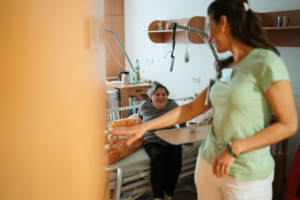

When families first hear “live-in care,” they often picture someone simply staying overnight. In reality, live-in home care assistance is a structured, continuous support model in which a dedicated caregiver resides in the home and helps with day-to-day routines, safety oversight, and personal needs. The goal is to keep life steady and familiar while reducing risks that can arise when a senior is alone for long stretches.
Here’s a detailed guide on why seeking home care assistance in Bergen County becomes the practical middle ground between independent living and a facility-based move for many households.
The Most Common Misconceptions
A few myths can create confusion at the start. First, live-in care is not “doing everything for the senior.” The best outcomes come when care supports independence, helping where needed while encouraging the senior to remain involved.
Second, live-in care is not a generic, one-size plan. It works best when it is tailored to health conditions, mobility, habits, and preferences.
Third, families sometimes assume “continuous” means a caregiver never rests. Healthy live-in arrangements include appropriate downtime and clear boundaries so care stays consistent, respectful, and sustainable.
Who Benefits Most From Live-In Support
Live-in care can fit many situations, but it is especially valuable when safety or routine needs are complex. Seniors who have frequent balance issues, memory changes, or difficulty with personal tasks often do better with stable, in-home support.
Families managing Dementia care in Fort Lee may choose live-in services because familiar surroundings and consistent routines can reduce confusion and agitation. Live-in support can also help seniors who are prone to wandering, who forget to eat or hydrate, or who struggle with medication routines. If your loved one needs reliable help most days, live-in home care assistance may provide the continuity that weekly drop-ins cannot.
A Realistic Look at Daily Routines
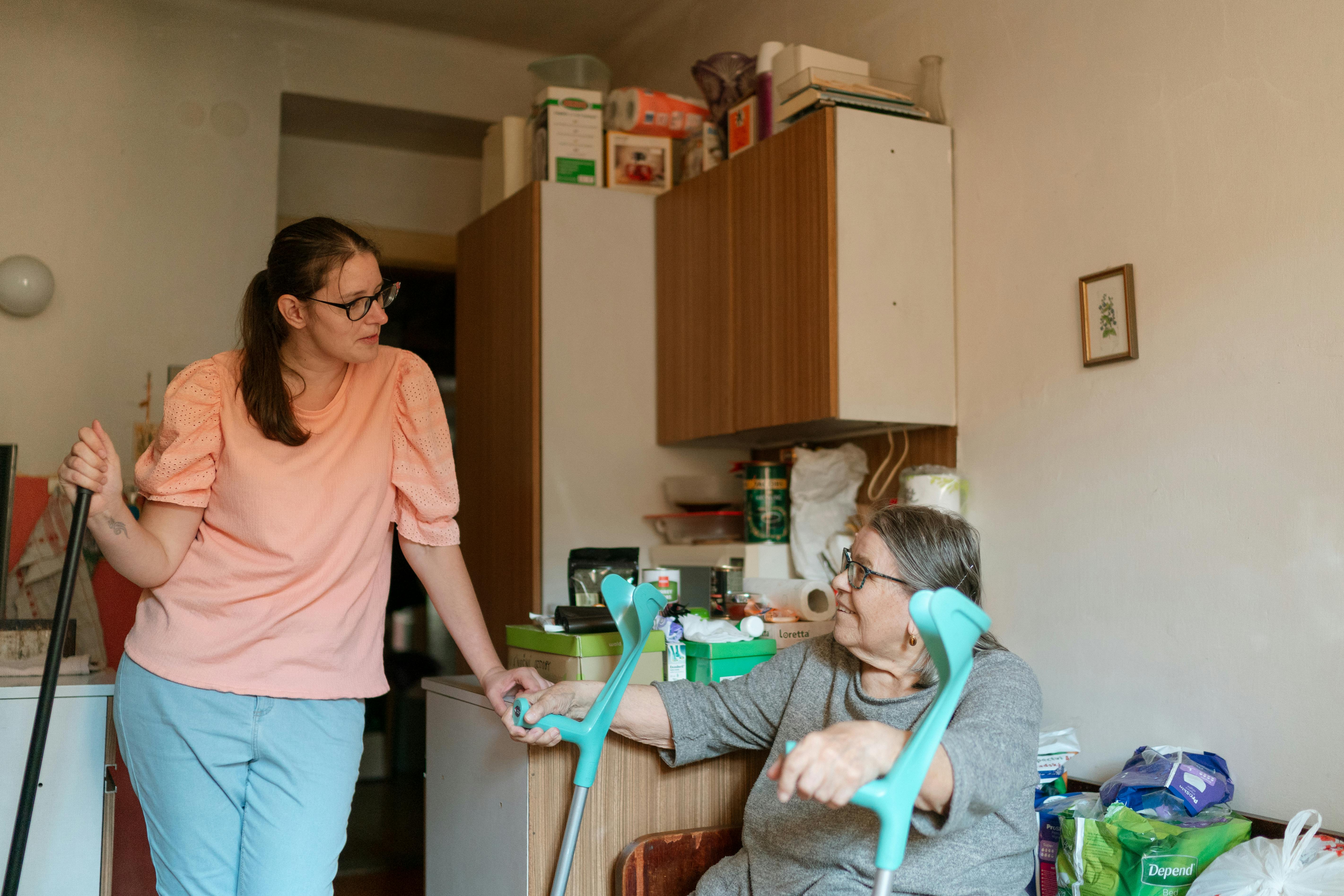
Families often overlook how detailed a “normal day” becomes when someone needs help. Live-in care typically follows a steady rhythm: morning hygiene support, dressing assistance, breakfast planning, light activity, hydration reminders, and simple home organization that keeps pathways clear.
Midday may include meal preparation, mobility support around the home, and coordination of scheduled appointments. Evenings usually focus on dinner routines, hygiene, safety checks, and a calmer wind-down that supports sleep.
Since the caregiver is present, small issues like dizziness, fatigue, or changes in mood are noticed sooner rather than later. This consistent observation is a major benefit of in-home health care in Bergen County models that prioritize prevention.
Personal Care Without Losing Dignity
Many families delay care because they worry it will feel invasive. Professional personal care assistance should feel respectful, private, and choice-driven. A strong caregiver explains what they are doing, asks permission, maintains modesty, and follows the senior’s preferences whenever possible.
Support may include bathing, grooming, dressing, toileting, and safe transfers. Over time, familiar routines reduce embarrassment and help seniors feel more in control. This is also where a trusted home care aid in Bergen County can make a meaningful difference, because confidence grows when help is consistent, gentle, and predictable.
Caregiver Qualifications Families Should Ask About
Another overlooked area is what “qualified” truly means. Families should ask how caregivers are screened, trained, and matched. Look for clear background checks, verification steps, and ongoing training, especially for memory conditions, fall prevention, and safe mobility support.
Ask how the care plan is created and updated, and what happens if needs change. If your loved one requires cognitive support, ask specifically about experience with routine-building, redirection techniques, and communication approaches that reduce frustration. When you choose certified local home caregivers in Bergen County, you are not just hiring help; you are selecting a care partner who should earn trust through preparation and professionalism.
How Matching and Consistency Improve Outcomes
Live-in care works best when the caregiver and senior “fit” well. Personality, language, lifestyle, and communication style all matter. A thoughtful match reduces resistance and supports cooperation with daily routines.
Consistency also lowers stress; seniors feel safer when they know what to expect and who will be there. This is particularly important for families seeking senior care services in Mahwah, NJ, where many households are balancing work, children, and long commutes. The calmer the home environment feels, the easier it becomes for everyone to maintain a steady routine.
What Families Often Miss About the Home Setup
Even strong caregivers cannot succeed in a risky environment. Families often overlook simple home changes that make care safer and smoother. Clear walkways, stable lighting, secured rugs, and accessible storage reduce fall risk and frustration. Bathrooms benefit from non-slip surfaces and supportive grab bars.
Bedrooms are safer when there is a clear path to the bathroom and a predictable place for commonly used items. For seniors with memory changes, visual cues and consistent placement of essentials reduce confusion. When a home is organized for safety, live-in home care assistance can focus on support, not constant problem-solving.
Memory Care at Home: What It Looks Like

Families sometimes assume memory support requires a facility, but many seniors do better in familiar surroundings. In-home memory care in Cresskill, NJ and similar services often emphasize structured routines, gentle cueing, and predictable environments. Caregivers can help reduce triggers by keeping schedules steady and limiting sudden changes.
They also learn personal details that support calm communication; what reassures the senior, what confuses them, and what routines work best. In addition, caregivers can watch for changes that families might miss, like appetite shifts, sleep changes, or increased agitation. When done well, in-home memory care supports dignity and daily stability.
Communication With Family: Setting Expectations Early
A common source of disappointment is unclear expectations. Families should define what “success” looks like: fewer falls, calmer mornings, safer hygiene routines, consistent meals, or improved adherence to daily schedules. It helps to set boundaries about privacy, shared household spaces, and who manages decisions.
Families should also clarify the preferred way to communicate; daily notes, weekly check-ins, or scheduled calls. When everyone agrees on priorities, the caregiver in Bergen County can focus on consistent delivery rather than guessing what matters most.
The Hidden Benefits: Relief for the Whole Household
Live-in care is often framed as “help for the senior,” but it also reduces strain for the family. When care is reliable, adult children can shift from crisis-response to steady planning. They can be present as family again rather than constant coordinators.
Many families report improved relationships when responsibility is shared with a professional team. Live-in care in Franklin Lakes also reduces the burden of constant monitoring; wondering if a parent ate, took medications, or navigated stairs safely. These are practical, emotional, and logistical wins that come with live-in home care assistance.
When It’s Time to Reassess the Plan
Since needs change, families should revisit the care plan regularly. Look for signs that routines are no longer working: increased falls, escalating confusion, rising agitation, or difficulty with hygiene and mobility.
Additionally, watch for caregiver strain; consistent care requires reasonable structure, rest, and support. A quality provider will help adjust the plan, update routines, and ensure the right level of help remains in place. Reassessment is not a failure; it is part of responsible, long-term home care assistance planning.
Documentation and Daily Updates That Prevent Surprises

Families often overlook how much clarity comes from simple documentation. A strong live-in arrangement includes brief notes about sleep patterns, appetite changes, mobility challenges, and what helped the day run smoothly. This is not paperwork for its own sake; it is a practical way to spot trends early and keep routines consistent across the household.
When families can review patterns, they can make smarter decisions about the home environment, meal timing, and support needs. Clear updates also reduce misunderstandings and help everyone stay aligned on priorities.
Boundaries, Privacy, and Household Roles
Another overlooked factor is how the household will function day to day. Families should decide which spaces are shared, how privacy will be protected, and what routines should remain “the senior’s choice.” Respectful boundaries are essential to maintaining comfort for everyone.
It also helps to discuss visitor expectations, quiet hours, and how sensitive conversations will be handled. When these details are agreed on early, the caregiver can deliver live-in home care assistance in a way that feels natural rather than disruptive.
Families can also request a short orientation that explains routines, cues, and safety preferences, so everyone responds consistently. This shared approach reduces mixed messages, keeps transitions smooth, and helps the senior feel secure when different relatives are present during weeks.
How Families Benefit From Continuity during Transitions
Life does not pause when care begins. Holidays, family travel, and changing schedules can shake up routines quickly. Live-in support provides continuity during these transitions, helping seniors keep stable habits even when the household is busy. That stability often reduces stress-related confusion, improves cooperation with personal routines, and supports safer mobility.
Over time, families typically notice fewer last-minute emergencies because the home has a consistent rhythm and someone present who understands what “normal” looks like.
Why Live Easy Home Care Is the Trusted Choice for Live-In Support
Choosing live-in care is less about “adding help” and more about protecting daily dignity at home. Live Easy Home Care provides certified local home caregivers in Bergen County through a licensed home care agency that builds routines around your loved one’s preferences.
From respectful personal care assistance to structured in-home memory care, our team supports safer days and calmer nights. With deep experience in Dementia and Alzheimer’s home care, Live Easy Home Care helps families set clear expectations, stay informed, and see the real live-in home care assistance difference from day one.
Contact us today to schedule a consultation and learn how personalized, continuous support can make daily life safer and calmer.