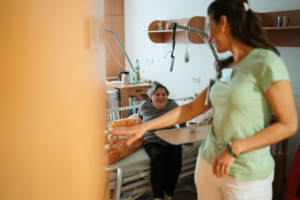
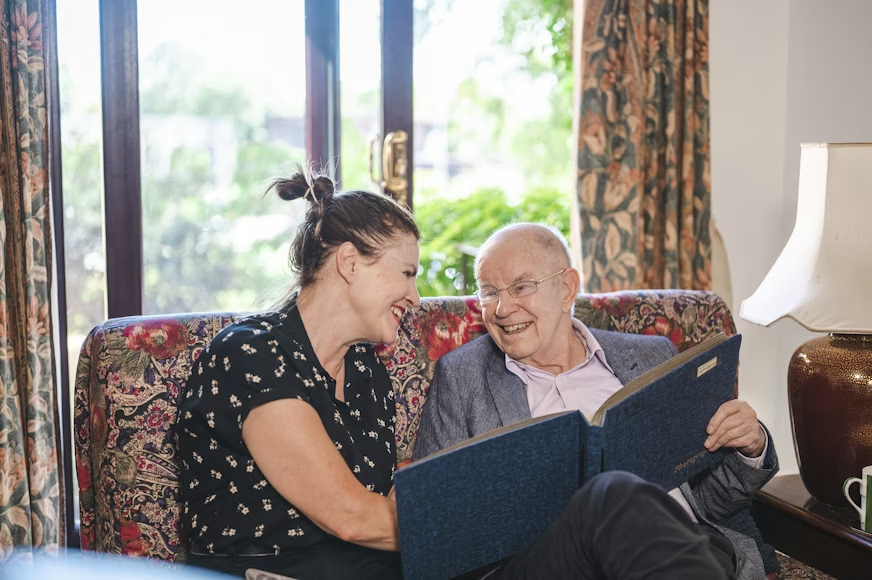
Caring for an aging loved one is rarely a straightforward process. Health conditions can change unexpectedly, daily needs may evolve, and families often find themselves adjusting plans frequently. In such situations, consistency becomes essential. This is where live-in caregivers for stability play a crucial role, offering continuous support that brings structure and reassurance to an otherwise unpredictable care journey.
Live-in care provides more than assistance—it creates a dependable environment where seniors and families can feel secure, supported, and prepared for changing needs.
Creating a Sense of Routine
One of the biggest challenges in senior care is maintaining a consistent daily routine. Without structure, seniors may feel disoriented or anxious, particularly if they are dealing with memory-related conditions.
Live-in caregivers help establish predictable schedules for meals, medication, activities, and rest. This routine provides comfort and familiarity, reinforcing the value of live-in caregivers for stability in maintaining emotional balance and well-being.
Continuous Monitoring and Immediate Support
Health concerns can arise at any time, especially for seniors with chronic conditions or mobility challenges. Live-in caregivers offer continuous monitoring, ensuring that any changes are noticed and addressed promptly.
This level of attention reduces the risk of missed medications, unnoticed symptoms, or delayed responses to emergencies. Having someone present at all times creates a safety net that supports both physical health and peace of mind.
Reducing Stress for Families
Families often experience stress when trying to manage caregiving responsibilities alongside work and personal commitments. The unpredictability of a loved one’s needs can make planning difficult.
By providing consistent, around-the-clock care, live-in caregivers relieve families of this burden. They ensure that seniors receive reliable support, allowing family members to focus on spending quality time rather than managing logistics.
Building Strong, Trusting Relationships
Trust is a critical component of effective care. Frequent changes in caregivers can disrupt relationships and create discomfort for seniors.
Live-in caregivers offer continuity, allowing strong bonds to develop over time. This familiarity encourages open communication, cooperation, and a deeper understanding of individual needs, further highlighting the importance of live-in caregivers for stability.
Adapting to Changing Needs
Care needs are rarely static. Seniors may require increased assistance due to changes in health, mobility, or cognitive function. Live-in caregivers are well-positioned to adapt quickly, adjusting routines and care plans as needed.
This flexibility ensures that care remains appropriate and effective, eliminating the need for frequent transitions or disruptions. Stability is maintained even as circumstances evolve.
Supporting Emotional Well-Being
Emotional health is closely tied to consistency and connection. Seniors who receive continuous care often feel more secure, less isolated, and more confident in their daily lives.
Live-in caregivers provide companionship, reassurance, and engagement, helping seniors maintain a positive outlook. This emotional stability is a key benefit of consistent, long-term care.
Creating a Sense of Routine
One of the biggest challenges in senior care is maintaining a consistent daily routine. Without structure, seniors may feel disoriented or anxious, particularly if they are dealing with memory-related conditions.
Live-in caregivers help establish predictable schedules for meals, medication, activities, and rest. This routine provides comfort and familiarity, reinforcing the value of live-in caregivers for stability in maintaining emotional balance and well-being.
Continuous Monitoring and Immediate Support
Health concerns can arise at any time, especially for seniors with chronic conditions or mobility challenges. Live-in caregivers offer continuous monitoring, ensuring that any changes are noticed and addressed promptly.
This level of attention reduces the risk of missed medications, unnoticed symptoms, or delayed responses to emergencies. Having someone present at all times creates a safety net that supports both physical health and peace of mind.
Reducing Stress for Families
Families often experience stress when trying to manage care giving responsibilities alongside work and personal commitments. The unpredictability of a loved one’s needs can make planning difficult.
By providing consistent, around-the-clock care, live-in caregivers relieve families of this burden. They ensure that seniors receive reliable support, allowing family members to focus on spending quality time rather than managing logistics.
Building Strong, Trusting Relationships
Trust is a critical component of effective care. Frequent changes in caregivers can disrupt relationships and create discomfort for seniors.
Live-in caregivers offer continuity, allowing strong bonds to develop over time. This familiarity encourages open communication, cooperation, and a deeper understanding of individual needs, further highlighting the importance of live-in caregivers for stability.
Adapting to Changing Needs
Care needs are rarely static. Seniors may require increased assistance due to changes in health, mobility, or cognitive function. Live-in caregivers are well-positioned to adapt quickly, adjusting routines and care plans as needed.
This flexibility ensures that care remains appropriate and effective, eliminating the need for frequent transitions or disruptions. Stability is maintained even as circumstances evolve.
Supporting Emotional Well-Being
Emotional health is closely tied to consistency and connection. Seniors who receive continuous care often feel more secure, less isolated, and more confident in their daily lives.
Live-in caregivers provide companionship, reassurance, and engagement, helping seniors maintain a positive outlook. This emotional stability is a key benefit of consistent, long-term care.

Consistency starts with the right support system. At Live Easy Home Care, we provide dependable senior home care through trained live-in caregivers who prioritize comfort and routine. Our services also include veteran home care for those who have served the nation. With a focus on stability and trust, we help families in Northern New Jersey create a safe, structured environment where seniors can live stress-free.
Reach out to us.
Consistency starts with the right support system. At Live Easy Home Care, we provide dependable senior home care through trained live-in caregivers who prioritize comfort and routine. Our services also include veteran home care for those who have served the nation. With a focus on stability and trust, we help families in Northern New Jersey create a safe, structured environment where seniors can live stress-free.
Reach out to us.