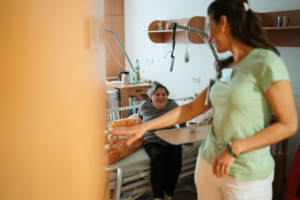

As America’s senior population grows, families are increasingly faced with a crucial decision: Should an aging loved one receive live-in home care or move into a nursing home? The answer is rarely simple. While institutional facilities provide structured care, research shows that seniors often maintain better emotional health, independence, and cognitive function when supported at home. Cost, once assumed to favor nursing homes, is now shifting dramatically toward personalized in-home care.
This detailed analysis explores the home care vs nursing home debate, breaking down financial realities, emotional impacts, safety considerations, and long-term outcomes. For families in Fort Lee and throughout Bergen County, this guide offers clarity on why live-in care remains the most practical option.
The True Cost Comparison: Home Care vs Nursing Home
When evaluating senior care options, most families begin with one major concern: Which option fits our budget while still providing high-quality support? The answer often surprises them.
1. Nursing Home Costs Continue to Rise
According to the 2023 Genworth Cost of Care Survey, the average cost of a private room in a nursing home exceeds $116,800 per year, while semi-private rooms average around $104,000 annually. These numbers are expected to rise 3–4% each year due to staffing shortages, increased regulation, and growing demand.
Families often discover hidden or variable charges, such as:
- Wound care services
- Specialized memory care
- Transportation
- Additional supervision
- Social engagement programs
- Laundry or personal care supply fees
What initially looks like a fixed monthly price frequently becomes thousands more per year.

- Home Care Frequently Offers Better Value
In contrast, live-in home care often provides continuous one-on-one support at a significantly lower cost. Live-in caregivers charge daily instead of hourly, making 24-hour care far more affordable than many assume.
Additionally, 24-hour home care in Fort Lee and Bergen County allow seniors to:
- Avoid add-on facility fees
- Receive personalized care without paying institutional overhead
- Share their home with a caregiver instead of occupying an expensive facility housing
- Use long-term care insurance(which often reimburses home care more generously)
When comparing home care costs vs nursing homes, families often find that live-in care delivers better support at lower overall expense, especially for seniors needing ongoing, but non-acute, supervision.
The Emotional Case for Aging at Home
Finances matter, but emotional well-being is priceless.
1. Home Preserves Identity and Independence
Institutional environments, even high-end ones, require seniors to adapt to:
- New routines
- New surroundings
- Shared spaces
- Multiple staff members
- Facility rules
These changes can create disorientation, stress, and even cognitive regression in seniors, particularly those with dementia.
At home, seniors maintain:
- Their routines
- Their privacy
- A familiar environment
- Emotional memories attached to the space
- Their sense of autonomy
Aging in place reinforces identity, something facilities, no matter how well-run, cannot replicate.

2. Consistent One-on-One Care Strengthens Emotional Health
Facilities rotate staff across shifts, making it hard for seniors to form secure relationships. In contrast, live-in care provides stability, trust, and meaningful companionship, all proven to reduce depression and anxiety.
Studies show that seniors who age in place experience:
- Lower rates of loneliness
- Increased cognitive stimulation
- Fewer behavioral issues in dementia
- Better emotional stability
This stability is central to the lasting success of live-in care in Fort Lee and surrounding areas.
Safety and Health Outcomes—Why One-on-One Care Wins
1. Individual Attention Prevents Medical Emergencies
In nursing homes, even well-staffed ones, caregivers may manage 10–20 residents at a time. This increases the risk of:
- Medication errors
- Delayed bathroom assistance (leading to falls)
- Missed symptoms
- Overlooked dehydration
- Limited personalized mobility support
A live-in caregiver’s entire focus is on one person only, which offers a level of vigilance no facility can provide.
2. Home Reduces Infection Risks
Institutional settings naturally increase exposure to:
- Respiratory viruses
- Gastrointestinal infections
- Influenza
- Antibiotic-resistant bacteria
During and after COVID-19, infection risks in group facilities became a serious concern for families. In-home senior support drastically lowers exposure and supports healthier recovery environments.
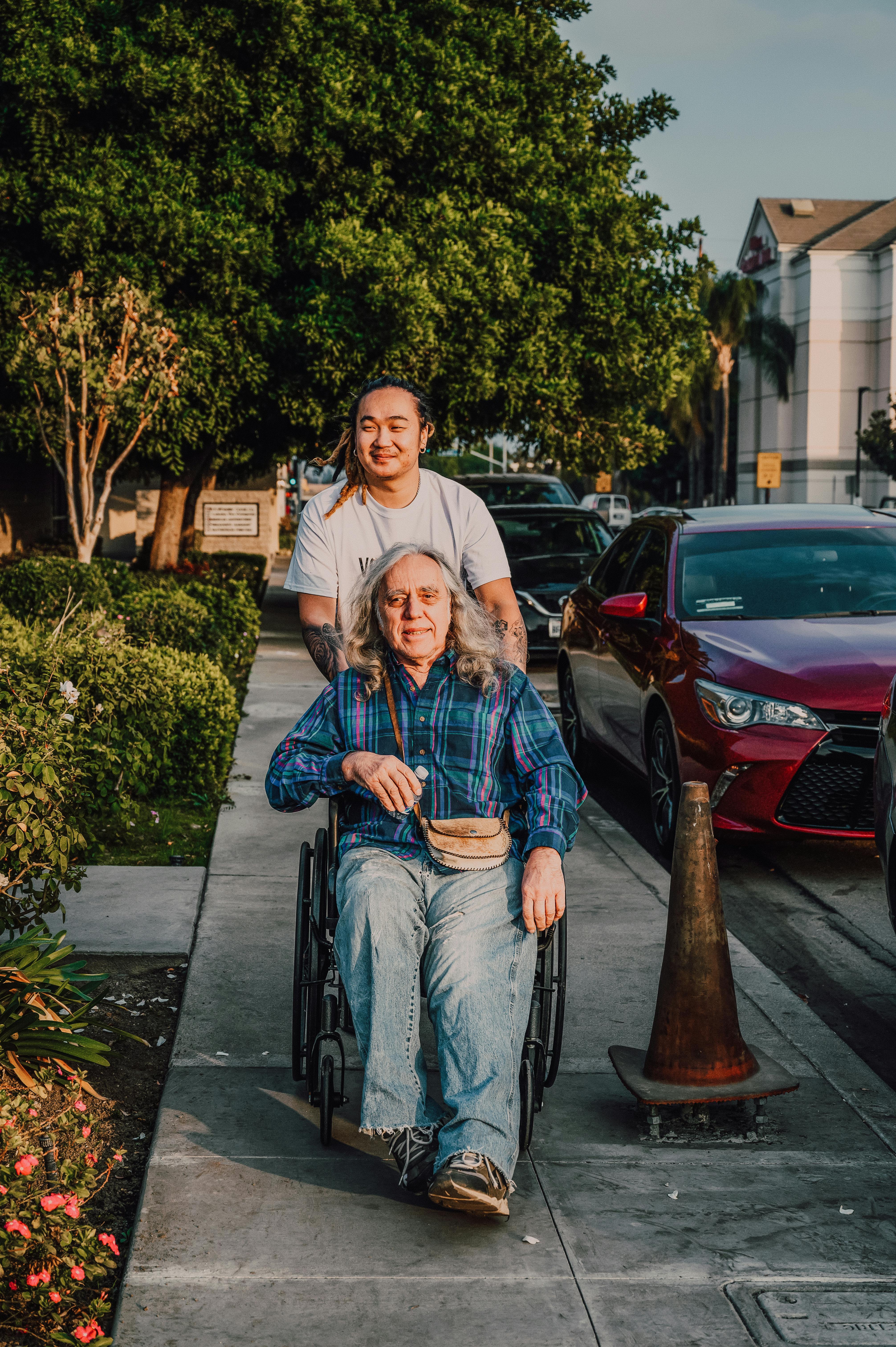
- Better Mobility and Chronic Condition Management
Certified in-home caregivers often assist with:
- Daily movement routines
- Nutrition planning
- Hydration reminders
- Blood pressure monitoring
- Fall and injury prevention/recovery
- Diabetes management support
- Medication scheduling
This individualized approach improves outcomes for seniors with chronic conditions, mobility issues, or cognitive decline.
Quality of Life: The Most Overlooked Factor in the Decision
Quality of life doesn’t just measure comfort; it predicts longevity.
1. Seniors Thrive with Personalized Scheduling
In nursing homes, routines are standardized. Wake-up times, meals, bathing schedules, and medication rounds all follow a system designed for efficiency, not personal preference.
Home care allows seniors to:
- Wake up when they choose
- Eat the foods they prefer
- Enjoy personalized hobbies
- Maintain faith or cultural routines
- Host family freely
- Spend time outdoors on their schedule
This flexibility enhances happiness and fosters a sense of control.

2. Families Stay More Involved
Institutional living often limits visiting hours or requires families to navigate facility procedures. With 24-hour in-home care:
- Family visits feel natural
- Loved ones can participate in care plans
- Adult children can be more present without overextending themselves
This integrated involvement strengthens emotional resilience for both seniors and families.
Planning for Long-Term Care: Affordability and Flexibility
As needs evolve, care must adapt. Live-in home care offers significantly more flexibility than nursing homes.
1. Scalable Care Options
Home care allows families to adjust:
- Hours
- Services
- Level of support
- Caregiver specialization
Seniors can start with companionship or part-time support and gradually move into full-time or 24-hour home care.
2. Long-Term Care Insurance Often Covers Home Care Better
Contrary to common belief, many long-term care policies reimburse:
- Live-in care
- 24-hour home care
- Memory care at home
- Skilled support in the home environment
This often makes home care even more affordable than facility care.
The Case for Live-In Care in Fort Lee and Bergen County
Live-in care is especially valuable in communities like Fort Lee, Ridgewood, Franklin Lakes, Demarest, and Alpine, where families often balance demanding careers with care giving responsibilities. This model ensures:
- Around-the-clock safety
- Genuine companionship
- Personalized comfort
- Emotional reassurance for families
- Professional assistance with all activities of daily living
Whether a loved one needs dementia care, mobility support, or long-term supervision, live-in care offers a tailored, comprehensive approach.
The Clear Winner in the Home Care vs Nursing Home Debate
When evaluating home care vs nursing home, research and real-world experience consistently reveal the same conclusion: live-in home care provides superior emotional, financial, and practical outcomes. Seniors benefit from personalized one-on-one support, familiar surroundings, and flexible care planning, all without the overwhelming costs and limitations of institutional living.
Aging at home is not only more dignified; it is often more affordable, more effective, and more aligned with the personal needs of today’s seniors.
Support, Comfort, and Personalized Care With Live Easy Home Care
If you’re exploring care options for a loved one, now is the perfect time to discover the difference personalized in-home support can make.
Live Easy Home Care proudly offers:
- Live-in Care in Fort Lee and Bergen County
- 24-Hour In-Home Care
- Specialized Dementia and Memory Care at Home
- Affordable Senior Care in Ridgewood, NJ
- Veteran Home Care Support
- Mobility Support and Daily Living Assistance
We’re here to provide comfort, stability, and peace of mind, right where your loved one feels safest. Contact Live Easy Home Care today to discuss personalized care plans tailored to your family’s needs.