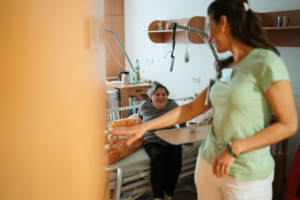

Caring for an aging parent can be one of life’s most rewarding experiences, but it can also feel overwhelming. Many adult children start with the best intentions, juggling work, family, and their parent’s needs, only to find themselves exhausted, stressed, and unsure how much longer they can manage alone.
Take Lisa’s story, for instance. She had been caring for her mother, a retired schoolteacher, who recently developed mobility issues. At first, Lisa handled mornings, preparing meals and helping with hygiene routines. By the evening, she was running on sheer adrenaline, making sure her mother didn’t fall or forget her medications. Soon, the stress became unmanageable, and Lisa found herself saying, “I can’t do this alone.”
If this scenario sounds familiar, it may be time to consider 24-hour in-home care. But how do you know for sure when it’s necessary? Let’s explore the real-life challenges adult children face and how professional care can make a meaningful difference.
Recognizing the Signs: When Home Care Becomes Essential
1. Safety Risks Are Increasing
One of the clearest indicators that your parent may need professional help is safety. Frequent falls, wandering, or accidents in the kitchen are major red flags. Even if your loved one insists that they’re fine, a single injury can have serious consequences.
For example, George, whose father has early-stage dementia, noticed small but alarming signs: his dad began leaving the stove on and occasionally getting lost while walking to the mailbox. At that point, live-in care in Mahwah, NJ, became a necessity to ensure round-the-clock supervision.
2. Managing Medications Becomes Overwhelming

Many seniors have complex medication schedules. Missing doses or taking the wrong medication can lead to hospital visits or worsen existing health conditions. If you’ve found yourself constantly tracking pills, setting alarms, or worrying that a simple mistake could be catastrophic, it’s a clear sign that professional support is needed.
This is where 24-hour home care in Franklin Lakes, NJ comes into play. Trained caregivers can manage medications accurately, giving families peace of mind and reducing daily stress.
3. Emotional and Mental Health Struggles
Caring for a loved one is emotionally taxing. Guilt, frustration, and burnout are common. Lisa, for instance, was constantly exhausted and anxious, worrying that any misstep could harm her mother. Her mental health began to suffer, and she noticed signs of depression creeping in.
A caregiver providing senior care in Franklin Lakes, NJ, can not only support the physical needs of a parent but also reduce feelings of isolation for both the senior and the caregiver.
4. You’re Constantly Putting Your Life on Hold

When caregiving demands become 24/7, personal and professional life often suffers. You may be declining work opportunities, missing family events, or losing sleep. These sacrifices, if sustained, can harm your health and your relationships.
Professional and affordable live-in care ensures that your loved one receives consistent care while allowing you to maintain your career and personal life without constant stress.
5. Specialized Care Needs Arise
As seniors age, their needs often become more complex. Dementia, Alzheimer’s, mobility limitations, or chronic illnesses may require professional skills. If your loved one struggles with memory issues, daily routines can become unsafe or confusing.
Caregivers trained in dementia care can provide structured support, creating routines and engaging activities that promote mental stimulation and emotional well-being.
Stories from Adult Children: When They Knew It Was Time
- Maria in Cresskill, NJ:Her father had recently suffered a minor stroke. She tried managing his recovery while continuing her job and raising two children. Within weeks, she realized she couldn’t meet his needs safely. She arranged 24-hour home care in Cresskill, NJ, allowing her father to recover at home under professional supervision.
- James in Fort Lee, NJ: His mother’s dementia was worsening, and she frequently forgot to eat. James was sleeping less than four hours a night, constantly checking on her. Bringing in live-in care in Fort Lee, NJ ensured she received meals and care at regular intervals while James could rest and focus on his own health.
These stories show a common pattern: the realization often comes when the balance between caregiver well-being and the senior’s safety tips too far toward risk.
Benefits of 24-Hour In-Home Care

1. Constant Supervision and Safety
24-hour in-home senior care provides vigilant supervision. Caregivers are trained to manage falls, prevent accidents, and respond immediately to emergencies. Seniors can stay in the comfort of their own home without compromising safety.
2. Personalized Care Plans
Every individual has unique needs. Whether it’s medication management, mobility support, or memory care, professional caregivers develop customized plans to suit the senior’s lifestyle and health requirements.
For example, live-in care often includes meal preparation tailored to dietary restrictions, daily exercise routines, and engaging cognitive activities.
3. Relief for Family Caregivers
Professional home care allows family members to reclaim their own time and reduce stress. It’s not about giving up; it’s about recognizing when support will improve the quality of life for everyone involved.
Families who utilize affordable senior care in Bergen County, NJ, report better emotional health and less burnout, which in turn allows them to spend meaningful, stress-free time with their loved ones.
4. Support for Complex Medical Needs
Chronic conditions and memory loss require expertise. Caregivers trained in in-home memory care provide structured routines, monitor symptoms, and ensure medication adherence, all while maintaining dignity and comfort.
5. Enhanced Quality of Life
Ultimately, professional caregivers enhance the senior’s quality of life. Engaging activities, social interaction, and attentive personal care make daily life enjoyable and fulfilling. Seniors feel secure, cared for, and valued in their own home.
For those in need of senior care, this approach keeps them connected to their familiar surroundings while receiving the level of care they require.
Signs You Should Explore 24-Hour Care Options
- Recurrent falls or near-falls
- Difficulty managing medications
- Rapid memory decline or confusion
- Increasing stress or health issues for the family caregiver
- Inability to maintain daily routines or personal hygiene
Recognizing these signs early can prevent crises, hospitalizations, or burnout. The goal is proactive care rather than reactive solutions.
How to Transition to Professional Care
1. Evaluate Needs Objectively
Take note of your loved one’s medical requirements, daily routines, and emotional state. Consider both short-term and long-term needs.
2. Explore Care Options
Options include affordable live-in care, 24-hour home care, or specialized memory care. Assess what fits best for your family’s circumstances.
3. Communicate Openly
Discuss the transition with your loved one respectfully. Explain that the goal is safety, dignity, and improved quality of life. Involving them in decision-making reduces resistance.
4. Prepare the Home
Make adjustments for safety, install handrails, remove trip hazards, and ensure essential items are easily accessible.
5. Collaborate with Caregivers
Partner with the care team to establish routines, medication schedules, and daily activities. The goal is seamless integration into home life.

Caring for an aging parent is a journey filled with love, dedication, and sometimes, overwhelming challenges. Recognizing when you need professional help is a sign of strength, not failure. 24-hour in-home care provides a safe, compassionate, and effective solution that ensures seniors remain comfortable and supported while preserving the well-being of family caregivers.
If you notice mounting stress, safety concerns, or increasing care needs, consider taking the step toward professional support. With the right team by your side, you can focus on creating meaningful moments, knowing your loved one is in capable hands.
Make Life Easier for You and Your Loved Ones Today
If you’re realizing that your parents’ care needs are exceeding what you can manage alone, it’s time to explore professional support. Live Easy Home Care provides compassionate, high-quality 24-hour in-home care, affordable live-in care, and specialized dementia care in Bergen County, NJ, and beyond. Our trained caregivers ensure seniors receive safety, comfort, and dignity in the familiarity of their own homes.
Whether it’s live-in care in Franklin Lakes, senior care in Mahwah, or 24-hour home care in Ridgewood, NJ, our team works closely with families to design personalized care plans tailored to everyone. Don’t wait until exhaustion or risk forces your hand; reach out today to discuss how we can help your loved one thrive at home.