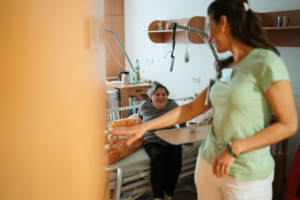

A fear of falling can create a difficult cycle: the less a person moves, the weaker they become, which in turn makes them more unsteady on their feet. Breaking this cycle requires a proactive approach that builds both physical strength and mental confidence. It’s about creating a safe foundation that empowers you or your loved one to stay active and engaged in life. Instead of reacting to a fall, you can take steps now to prevent one from ever happening. We will walk you through how to improve mobility in elderly family members with practical strategies for building balance, strengthening key muscles, and creating a secure home environment.
Key Takeaways
- Focus on Consistent, Gentle Activity: Lasting mobility comes from small, daily movements, not intense workouts. Weave simple strength, balance, and flexibility exercises into your existing routine to build confidence and stay active.
- Prioritize Home Safety to Maintain Independence: A safe home is the foundation for staying independent. Simple modifications like removing trip hazards, adding handrails, and ensuring good lighting can dramatically reduce fall risks and provide peace of mind.
- Know When to Ask for Professional Support: Addressing mobility issues early is key. Don’t hesitate to consult with doctors, therapists, or professional caregivers when you notice changes, as they can provide expert guidance to help you regain strength and stay safe at home.
What Causes Mobility Challenges in Seniors?
Watching a parent or loved one struggle with movement can be difficult. You might notice they’re holding onto furniture for support, having trouble with stairs, or simply not getting out as much as they used to. Understanding what’s behind these changes is the first step toward finding supportive solutions. Mobility issues in seniors often stem from a combination of factors, not just one single cause. It’s a mix of natural aging, underlying health conditions, and daily habits. By looking at the whole picture, we can better identify ways to help our loved ones stay safe, active, and independent in the comfort of their own homes.
Natural Aging and Physical Changes
As we get older, our bodies naturally change. One of the most significant shifts is the gradual loss of muscle mass and strength, a condition known as sarcopenia. According to research from UCLA Health, people can start losing muscle as early as their 30s, and this process accelerates in later years. This can make everyday activities, like getting out of a chair or carrying groceries, feel much more difficult. Joints can also become stiffer and less flexible, and our sense of balance may not be as sharp as it once was. While these changes are a normal part of aging, they don’t have to lead to a loss of independence.
The Impact of Chronic Health Conditions
Chronic health conditions play a major role in mobility for many older adults. Arthritis can cause joint pain and stiffness, making movement uncomfortable. Neurological conditions like Parkinson’s disease or the effects of a stroke can directly impact balance and coordination. Even heart and lung diseases can limit mobility by causing fatigue or shortness of breath. It’s also important to remember that a sudden illness or a hospital stay can cause a rapid decline in strength. That’s why having dedicated support during recovery is so crucial, especially with services like post-surgery care that focus on helping seniors get back on their feet safely at home.
How Inactivity Affects Mobility
The phrase “use it or lose it” is especially true when it comes to mobility. A sedentary lifestyle can create a challenging cycle: the less a person moves, the weaker their muscles and bones become, making movement even harder. This can lead to a fear of falling, which in turn causes them to be even more cautious and less active. Over time, this inactivity can worsen joint stiffness and reduce overall stamina. Staying active is about more than just physical strength; it’s tied to our need for social interaction and mental engagement. Having a companion caregiver can provide the encouragement and support needed to break this cycle and safely reintroduce gentle movement into the daily routine.
Why Mobility is Key to Aging Well
Mobility is so much more than just getting from point A to point B. It’s the freedom to live life on your own terms, to stay connected with the people and activities you love, and to feel confident and secure in your own home. As we age, maintaining the ability to move easily and safely becomes a cornerstone of overall well-being. It directly impacts physical health, mental clarity, and emotional happiness. When mobility is a challenge, it can feel like your world is shrinking, leading to isolation and a loss of independence.
The good news is that with the right approach, you can actively work to maintain and even improve your mobility. It’s not about running marathons; it’s about incorporating simple, consistent movements into your day that build strength, improve balance, and keep you flexible. Think of it as an investment in your future quality of life. By focusing on mobility, you’re not just preventing falls or managing health conditions—you’re actively choosing a life filled with more joy, engagement, and independence. This proactive mindset is fundamental to healthy aging, allowing you or your loved one to continue thriving at home with the right senior care plan.
Maintaining Independence and Joy
The ability to move freely is directly tied to independence. It’s what allows you to walk to the mailbox, prepare a meal in your kitchen, or visit with a neighbor. When you can get around your home and community, you maintain control over your daily routine and continue participating in the activities that bring you joy. This could be anything from tending to your garden to meeting friends for lunch. Staying active helps you engage in social events and run your own errands, which is essential for a healthy and fulfilling life. Our Companion Care services can provide wonderful support for these outings, ensuring you always have a friendly face to share the experience with.
Supporting Mental and Emotional Health
There’s a powerful connection between our bodies and our minds. The less an older person moves, the harder it can become to stay healthy in both body and mind. A sedentary lifestyle can lead to feelings of isolation, frustration, or even depression. On the other hand, staying active releases endorphins, reduces stress, and improves mood. Even a short walk or some gentle stretching can make a world of difference. Movement keeps the mind sharp and helps maintain a positive outlook, reminding us that we are capable and strong. It’s a simple but effective way to care for your whole self.
Staying Safe and Preventing Falls
A fear of falling is understandable, but it shouldn’t keep you from staying active. In fact, the right kind of movement is one of the best tools for building confidence and stability. Doing exercises that improve your strength, balance, and flexibility can make you feel stronger and more sure-footed. By building a stronger foundation, you not only reduce your risk of injury but also gain the peace of mind to move more freely. Our approach to injury and fall prevention focuses on creating a safe home environment and supporting you with routines that build physical confidence and help you feel secure.
The Best Exercises to Improve Senior Mobility
Staying active is one of the most powerful things you can do to maintain your mobility and independence as you age. A good fitness routine doesn’t have to be complicated or intense. The key is to find activities you enjoy and to be consistent. The most effective approach combines exercises that build strength, improve balance, and increase flexibility.
Think of these three areas as the legs of a stool—you need all of them for solid support. Strength gives you the power to get up from a chair, carry groceries, or play with your grandchildren. It’s the foundation of confident movement. Balance helps you stay steady on your feet, whether you’re walking on an uneven sidewalk or simply getting out of bed in the morning. It’s your body’s internal stability system. And flexibility allows you to move freely and comfortably as you go about your day, from tying your shoes to reaching for something on a high shelf. Together, these elements create a foundation for staying mobile, active, and engaged in the life you love.
Strength Training for Stability
You don’t need to lift heavy weights to build the muscle needed for daily activities. Strength training is all about creating resistance to make your muscles work, which helps maintain bone density and improves your ability to move with confidence. Simple bodyweight exercises are incredibly effective. Try doing sit-to-stands from a sturdy chair or performing leg raises while seated or lying down. Even using light soup cans for bicep curls can make a difference. The goal is to build muscle strength gradually, which is essential for supporting your joints and maintaining stability.
Balance Exercises to Prevent Falls
Good balance is crucial for feeling secure on your feet and is a key part of any effective injury and fall prevention plan. You can practice simple balance exercises at home every day. While holding onto a kitchen counter for support, try standing on one leg for 10-15 seconds, then switch to the other. As you get more comfortable, you can increase the time. Activities like Tai Chi are also fantastic for improving balance because they involve slow, controlled movements that challenge your stability in a gentle way. These small, consistent efforts can significantly increase your confidence and reduce your risk of a fall.
Flexibility and Chair Yoga Routines
Flexibility allows your body to move through its full range of motion, which can help ease joint stiffness and prevent injuries. You can improve your flexibility with gentle stretches throughout the day. Try stretching your arms overhead when you wake up or doing simple neck rolls while watching TV. If you have limited mobility or find it difficult to get on the floor, chair yoga is an excellent alternative. It adapts traditional yoga poses so you can do them while seated, helping you stretch your muscles and improve your posture without putting stress on your joints.
Simple Cardio for a Stronger Heart
Cardiovascular exercise gets your heart rate up, which is vital for stamina and overall health. The goal is to aim for about 150 minutes of moderate-intensity activity per week, but you can break that down into smaller, more manageable chunks. A brisk 20-minute walk each day is a great place to start. The best cardio is an activity you genuinely enjoy. Consider joining a local walking group, trying a water aerobics class, or even just dancing around your living room to your favorite music. Making it a regular part of your life helps keep your heart strong and gives you the energy to do the things you love.
Build Mobility into Your Daily Routine
Formal exercise is fantastic, but it’s not the only way to stay mobile. The small movements you make throughout the day add up to make a huge difference in your strength, balance, and flexibility. Building activity into your existing schedule is one of the most effective ways to create lasting habits that support your independence. Instead of seeing movement as a separate task to check off your list, think of it as a natural part of your day. From the moment you wake up to the time you settle in for the evening, there are countless opportunities to move your body in gentle, beneficial ways. This approach makes staying active feel less like a chore and more like a lifestyle.
Start the Day with Gentle Stretches
Before you even get out of bed, you can start your day with movement. Morning stiffness is common, but a few gentle stretches can work wonders to ease your body into the day. Simple movements like pointing and flexing your feet, slowly bringing your knees to your chest one at a time, or gently twisting your torso can help wake up your muscles and joints. According to experts, stretching can improve flexibility and reduce that stiff feeling. Taking just five minutes to stretch while still in bed or right after you stand up promotes better circulation and prepares your body for the activities ahead.
Turn Household Chores into Movement
Your daily to-do list is secretly a great opportunity for physical activity. Tasks like sweeping the floor, wiping down counters, gardening, or even folding laundry require you to move, bend, and reach, all of which contribute to maintaining your mobility and strength. Instead of trying to get chores done as quickly as possible, slow down and be mindful of your movements. When you’re gardening, focus on the squatting and reaching motions. When you’re putting away groceries, pay attention to lifting and placing items. These everyday activities are a practical way to incorporate more physical activity into your life without needing a gym.
Stay Active with Social Outings
Connecting with friends and community is not only good for your spirit—it’s great for your body, too. Social plans often involve movement, whether it’s walking through a museum, joining a local club, or meeting a friend for a stroll in the park. These activities keep you engaged and make movement feel fun rather than forced. If getting out and about feels challenging, a companion caregiver can provide the support and transportation needed to help you continue enjoying your favorite social hobbies safely. The motivation that comes from social connection can be a powerful force in helping you stay active and mobile.
Break Up Long Periods of Sitting
Many of us spend a lot of time sitting, whether we’re reading, watching television, or working on a puzzle. While rest is important, long periods of inactivity can lead to joint stiffness and decreased mobility. A simple rule of thumb is to get up and move around for a few minutes every hour. You don’t have to do anything strenuous. Just stand up, stretch your arms overhead, walk to the kitchen for a glass of water, or march in place during a commercial break. These small movement breaks keep your joints lubricated and your muscles engaged, preventing the stiffness that can set in from being sedentary.
How to Make a Home Safer for Seniors
A familiar, comfortable home is a source of great joy and independence. But as we age, the environment that once felt perfectly safe can present new challenges to mobility. Making a few strategic adjustments around the house can dramatically reduce the risk of accidents and create a space that truly supports aging in place. It’s about more than just preventing falls; it’s about building confidence and ensuring your loved one can move through their day with ease and security.
These modifications don’t have to be complicated or expensive. Simple changes to pathways, lighting, and key rooms like the bathroom can make a world of difference. By taking a proactive approach to home safety, you’re not just protecting your family member’s physical health—you’re also supporting their emotional well-being and giving everyone valuable peace of mind. A safe home is the foundation for maintaining an active, independent, and fulfilling life. Our professional caregivers are trained in injury and fall prevention and can help identify and address potential hazards in the home.
Clear Pathways and Remove Hazards
One of the simplest yet most effective ways to improve home safety is to ensure all walkways are clear and unobstructed. Take a walk through the house and look for potential trip hazards. This includes stacks of magazines, loose electrical cords, and small pieces of furniture that jut out into high-traffic areas. It’s also a good idea to secure the edges of area rugs with double-sided tape or remove them entirely if they tend to bunch up. Using non-slip mats on tile or wood floors, especially in the kitchen and entryways, can provide much-needed traction. A clutter-free environment is easier to move through and significantly reduces the risk of a fall.
Install Grab Bars and Handrails
Bathrooms and stairways are two of the most common places for falls to occur. Installing sturdy grab bars next to the toilet and inside the shower or tub provides crucial support when sitting, standing, and stepping over ledges. These aren’t the clinical-looking rails of the past; modern grab bars come in stylish designs that blend seamlessly with your decor. Similarly, make sure every staircase has a secure handrail on at least one side, though both sides are ideal. These simple additions offer stability and a firm grip, helping your loved one maintain balance and move between floors or around the bathroom with greater confidence.
Improve Lighting and Accessibility
Good lighting is essential for helping seniors see potential obstacles and navigate their homes safely, especially at night. Check that every room, hallway, and staircase is well-lit. You can easily add plug-in nightlights to create a lit path from the bedroom to the bathroom for late-night trips. Consider replacing existing lightbulbs with brighter, energy-efficient LEDs and placing lamps in any dark corners. Accessibility also means keeping frequently used items within easy reach. Organize kitchen cabinets and closets so that everyday dishes, foods, and clothing are on lower shelves, eliminating the need to stretch or use a step stool.
Design Safe Outdoor Spaces
Safety shouldn’t stop at the front door. Accessible outdoor areas encourage fresh air and light activity, which are wonderful for both physical and mental health. Ensure that walkways and paths are even and free of cracks, overgrown plants, or debris. Steps should be in good repair, and adding a sturdy handrail can provide extra support. Good lighting along pathways and near entrances is also important for evening safety. Creating a comfortable outdoor seating area, like a bench with firm support, provides a lovely spot to rest and enjoy the outdoors. A companion caregiver can be a wonderful partner for enjoying these safe outdoor spaces together.
Fueling the Body for Better Mobility
What we eat has a direct impact on how we move. Think of your body like a car—it needs the right fuel to run smoothly. A thoughtful diet can strengthen your bones, keep your muscles working properly, and even ease the joint pain that can make getting around difficult. Focusing on a few key areas of nutrition can make a world of difference in maintaining your mobility and staying active. It’s not about a restrictive diet, but about making smart, simple choices that support your body from the inside out.
Nutrients for Strong Bones and Muscles
To stay steady on your feet, you need a strong frame. That starts with feeding your bones and muscles the right nutrients. Calcium and vitamin D are the power couple for bone health; calcium builds bone density, and vitamin D helps your body absorb it. You can find them in dairy products, leafy greens like spinach, and fatty fish. But it doesn’t stop there. A balanced diet full of lean protein, fruits, and vegetables ensures you get a full spectrum of nutrients like magnesium and potassium, which also play a vital role. Eating a variety of colorful, whole foods is the best way to build and maintain bone strength for years to come.
The Importance of Staying Hydrated
One of the simplest yet most overlooked aspects of mobility is hydration. When you don’t drink enough water, your muscles can cramp up, and you might feel tired and weak—all things that make moving around harder and less safe. Dehydration can happen more easily as we age, so it’s important to be mindful of your fluid intake throughout the day. Keep a water bottle handy, enjoy a cup of herbal tea, or eat water-rich foods like cucumbers and melon. Staying properly hydrated helps your muscles function correctly and gives you the energy you need to stay active, making it a small habit with a big payoff for your overall mobility and well-being.
Foods That Help Reduce Joint Pain
Stiff, achy joints can be a major barrier to staying mobile. Fortunately, certain foods can help manage inflammation and reduce discomfort. Foods rich in omega-3 fatty acids—like salmon, walnuts, and flaxseeds—are known for their anti-inflammatory properties. Loading your plate with colorful fruits and vegetables also helps, as they are packed with antioxidants that protect your joints. Berries, broccoli, and bell peppers are all excellent choices. By incorporating these foods for healthy bones and joints into your regular meals, you can help soothe inflammation naturally, making movement feel more comfortable and fluid.
Helpful Mobility Aids for Staying Active
Sometimes, a little extra support can make all the difference in staying active and confident. Mobility aids aren’t about limitation; they’re about empowerment. Think of them as reliable tools that help you continue doing the things you love safely and independently. From a simple cane to smart home technology, the right aids can open up your world, reduce the risk of falls, and give you and your family greater peace of mind. Finding the right fit is key to maintaining your lifestyle and freedom.
Walkers, Canes, and Other Aids
Choosing the right walking aid is a personal decision that depends on your specific needs. A cane is great for providing a bit of extra support and balance, especially in smaller spaces. For more stability, a quad cane with four feet at the base is an excellent option. Walkers offer even more support for balance, while rollators (walkers with wheels and a seat) are easier to maneuver and perfect for longer outings. For those who need more assistance covering distances, manual wheelchairs or motorized scooters can be fantastic tools for staying engaged with the community. These aids are fundamental to effective injury and fall prevention at home and on the go.
Tools for Easier Daily Living
Beyond walking aids, many simple tools can make everyday tasks much easier and safer. Reacher-grabbers can help you pick up items without bending over, while long-handled shoe horns and sock aids make getting dressed less of a strain. In the bathroom, installing a shower chair, a raised toilet seat, and non-slip mats can significantly reduce the risk of accidents. Even small adjustments in the kitchen, like using electric can openers or lightweight cookware, can conserve energy and make meal prep more enjoyable. These thoughtful additions help preserve independence and make daily routines feel more manageable.
Using Tech to Track Your Progress
Technology offers some amazing solutions for enhancing safety and simplifying daily life. Smart home devices allow you to control lights, thermostats, and even door locks with your voice, reducing the need to move around unnecessarily. Personal emergency response systems (PERS) provide a direct line to help with the push of a button, offering security for you and your loved ones. You can also use simple fitness trackers to monitor your daily steps and celebrate your progress. Integrating these technologies can make your home environment more responsive to your needs, allowing you to focus on living well. A personal concierge can even help you get these systems set up and running smoothly.
When to Seek Professional Help for Mobility
While daily movement and home exercises are fantastic for maintaining strength, there are times when calling in a professional is the smartest and safest next step. Recognizing when you or a loved one needs extra support isn’t a sign of defeat—it’s a proactive move toward preserving independence and quality of life. A professional can offer a tailored plan that addresses specific challenges, from recovering after an illness to managing a chronic condition. They provide the expertise and structure needed to build confidence and make real, lasting improvements in strength and stability. Think of it as adding a specialist to your team, someone dedicated to helping you or your family member continue to live safely and fully at home.
Warning Signs of Declining Mobility
Mobility issues often creep in slowly, starting with subtle changes you might initially dismiss. The first signs can appear during more demanding tasks, like walking long distances or climbing a steep hill. You might notice your loved one is newly hesitant to take the stairs, seems unsteady on their feet, or starts holding onto furniture for support as they walk through a room. Perhaps they’ve stopped going on their usual neighborhood walks or have had a recent fall or a few close calls. These are important signals that it’s time to pay closer attention. Addressing these early warnings can be the key to effective injury and fall prevention and helps maintain a safe home environment.
Who to Call: Specialists and Therapists
Your first stop should always be a conversation with a primary care physician. They can assess the situation, rule out any underlying medical causes, and provide a referral to the right specialist. This might be a geriatrician, who specializes in the health of older adults, or a physiatrist, a doctor focused on rehabilitation medicine. Most often, they will recommend a physical or occupational therapist who can create a personalized exercise and activity plan. The great news is that many of these services can be provided right at home, creating a comfortable and convenient path to improvement. Professional home caregivers can then help ensure these expert recommendations are followed consistently.
The Role of Physical and Occupational Therapy
Physical and occupational therapists play distinct but complementary roles in improving mobility. A physical therapist (PT) will focus on restoring movement, strength, and function. They design specific exercises to improve balance, build muscle, and increase endurance for activities like walking. An occupational therapist (OT), on the other hand, helps individuals perform daily activities more safely and easily. They might recommend home modifications, teach new ways to get dressed or bathe, and introduce adaptive tools to make life simpler. Both professionals provide crucial guidance and follow-up, helping to keep your loved one motivated and on track. This support system is invaluable, especially when paired with encouraging companion care.
Regaining Strength After a Hospital Stay
A hospital stay, whether for an illness or surgery, can take a significant toll on the body, often leading to a rapid decline in strength and mobility. It’s common for seniors to feel much weaker and less steady on their feet after being discharged. This is a critical time when a structured rehabilitation plan is essential for a safe recovery. Intensive physical training and dedicated support can make all the difference in regaining lost muscle and mobility. A professional therapist can create a targeted program to rebuild strength safely and effectively. Having dedicated post-surgery care at home ensures your loved one has the support they need to follow their recovery plan and get back to their routine with confidence.
How Family Caregivers Can Support Mobility
As a family caregiver, you play a vital role in your loved one’s well-being. Supporting their mobility isn’t about pushing them too hard; it’s about creating a partnership built on encouragement, safety, and consistency. Your support can make a significant difference in their ability to stay active, confident, and independent at home. By focusing on small, manageable steps, you can help them maintain their strength and quality of life. It’s a journey you can take together, celebrating progress and adapting to new challenges along the way. The key is to find a balance that respects their autonomy while ensuring their safety, creating a positive framework for daily movement.
Encourage a Consistent Routine
One of the most effective ways to support mobility is to help your loved one establish a consistent daily routine. Regular activity is essential for maintaining physical function. As experts at UCLA Health note, “Staying active helps you keep your balance, strength, and flexibility.” A predictable schedule can make it easier to incorporate movement into the day. This could be a short walk after breakfast, gentle stretching while watching the news, or simple chair exercises in the afternoon. The goal is to make movement a natural and expected part of the day rather than a chore. By encouraging this consistency, you help them build and maintain the strength needed for everyday tasks, like getting out of a chair or climbing stairs.
Create a Safe and Positive Environment
Your parent’s surroundings have a huge impact on their confidence to move. Start by making their home as safe as possible, clearing pathways and addressing any potential hazards. But safety is only half the battle; the environment should also be encouraging. Think about how you can make movement more inviting. This could mean setting up a comfortable chair by a window with a nice view to encourage standing up and walking over, or ensuring outdoor spaces have clear sidewalks and a place to rest. A supportive environment removes physical and mental barriers to activity, making your loved one feel more secure and willing to move around their home and community. Our services for injury and fall prevention can help you create an even safer space.
Offer Encouragement and Support
Your emotional support is just as important as any physical assistance you provide. Many seniors fear falling or feel discouraged by their physical limitations. Acknowledging their feelings and offering gentle, positive reinforcement can make all the difference. It’s important to remember that “even a little bit of exercise or movement every day can stop the body from getting worse.” Start small with goals like a walk to the end of the driveway and celebrate that achievement. Patience is key. Avoid pressure or criticism, and instead, focus on what they can do. Your role as a cheerleader can build their confidence and motivate them to stay active, turning what feels like a challenge into a shared, positive experience.
When to Consider Professional Home Care
There may come a time when your loved one’s needs go beyond what you can manage alone, and that’s completely okay. If you notice a significant decline in mobility, or if they need more specialized support to get moving again after an injury or illness, it might be time to consider professional help. In-home physical therapy and skilled caregivers can provide targeted exercises and assistance. A professional home caregiver can ensure your parent is moving safely, provide hands-on support, and offer you much-needed respite. Bringing in a professional doesn’t mean you’re stepping back; it means you’re adding an expert to your care team to ensure your loved one gets the best support possible.
Create a Sustainable Mobility Plan
Improving mobility isn’t about a single workout or a temporary fix; it’s about creating a consistent, long-term routine that fits into your life. A sustainable plan is one you can stick with because it’s realistic, rewarding, and flexible enough to change as you do. Think of it as a personal roadmap to staying active and independent. The key is to build a framework that supports your goals, celebrates your progress, and adapts to your needs over time. This approach makes it easier to stay motivated and enjoy the journey of maintaining your physical freedom.
Set Realistic and Achievable Goals
The first step in creating a plan that lasts is to set clear, manageable goals. Instead of aiming for a vague target like “get more active,” focus on specific actions. A good starting point is to build a routine that includes exercises for strength, flexibility, and balance, as these are the core components of staying fit and independent. For example, a realistic goal could be to practice balance exercises for five minutes every day or to take a 10-minute walk three times a week. Start small and build from there. Choosing achievable goals helps you build momentum and confidence, making you more likely to stick with your plan for the long haul.
Track Progress and Celebrate Small Wins
Seeing how far you’ve come is a powerful motivator. Keep a simple log in a notebook or on a calendar to track your activity. Note what you did, for how long, and how you felt. This record not only shows your progress but also helps you see patterns and understand what works best for you. Every step you take to stay active helps you maintain your ability to move freely for years to come. Don’t forget to celebrate your achievements along the way. Finishing a week of planned walks or holding a balance pose for a few seconds longer are wins worth acknowledging. These small celebrations reinforce your new habits and make the process more enjoyable.
Adapt the Plan as Needs Evolve
Your body and your needs will change over time, so your mobility plan should, too. It’s important to pay attention to early signs of mobility decline, like getting tired more easily or finding it harder to do certain tasks. Catching these changes early means you can get the right support when it will be most effective. Schedule regular check-ins with yourself to assess your routine. Is it still challenging enough? Is it becoming too difficult? Be ready to adjust your exercises, their intensity, or their frequency. If you notice a significant change or feel unsure how to adapt, it may be time to consult a physical therapist or consider how professional in-home care can provide support.
Related Articles
- 8 Common Challenges Seniors Face When Living Alone – And How to Solve Them
- Creating a Safe Home Environment for Seniors: Tips for Families
- Elderly Keep Falling? Here’s What to Do Next
- A Guide to Personal Care Assistance for Seniors
Frequently Asked Questions
My parent is afraid of falling. How can I encourage them to be more active without making them anxious? This is such a common and valid concern. The key is to start by building their confidence, not their stamina. Begin by focusing on creating an undeniably safe environment first—clear all the pathways, improve the lighting, and install grab bars. Once they feel more secure in their space, you can introduce very gentle movements. Frame it as a way to feel stronger and more stable, rather than as “exercise.” Start with simple chair exercises or balance practice while holding onto a sturdy counter. Your encouragement and focus on safety can help shift their mindset from fear to empowerment.
What are the most important types of exercises for seniors, especially if they have limited time or energy? It’s less about one specific exercise and more about a balanced approach. Think of it as a three-part recipe for stability: strength, balance, and flexibility. Strength exercises, like standing up from a chair without using your hands, help with everyday power. Balance work, such as standing on one foot while holding onto a counter, helps prevent falls. Flexibility, achieved through gentle stretches, keeps joints from getting stiff. Even just a few minutes of each type of movement daily can make a significant impact without feeling overwhelming.
How can I tell the difference between normal aging and a more serious mobility problem that needs a doctor’s attention? While some slowing down is natural, certain signs warrant a conversation with a doctor. Pay attention to sudden changes or a quick decline in their ability to get around. If you notice your loved one is newly reliant on holding onto furniture to walk, has had one or more falls recently, expresses dizziness, or struggles with a basic task like getting out of a chair, it’s a good idea to schedule a check-up. A doctor can rule out underlying issues and connect you with resources like a physical therapist to create a targeted improvement plan.
My dad is very independent and resists using a cane or walker. How can I approach this conversation? Many people view mobility aids as a sign of losing independence, when they are actually tools to preserve it. Try framing the conversation around empowerment. A cane or walker isn’t about what he can no longer do; it’s about giving him the stability to continue doing the things he loves, like walking in the park or going to the store, more safely. You could also suggest a consultation with a physical therapist, who can provide a professional recommendation. Sometimes hearing it from an expert can make all the difference.
I’m worried about my mom when I’m not there. How can professional home care help with her mobility on a daily basis? A professional caregiver acts as a supportive partner in your mom’s daily routine. They can provide gentle reminders and encouragement to follow through with exercises recommended by a therapist, ensuring she does them safely. They also offer hands-on stability during walks or while navigating stairs, reducing fall risk. Beyond direct physical support, a caregiver can assist with tasks that have become difficult, preserving your mom’s energy for movement that brings her joy, like gardening or taking a stroll. It provides peace of mind knowing someone is there to offer consistent, reliable support.