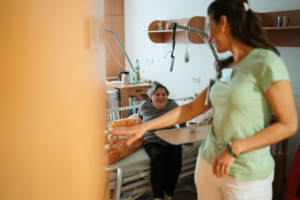

A dementia diagnosis changes how a family thinks about safety, routine, and quality of life. Familiar rooms can become confusing, everyday tasks can feel overwhelming, and small disruptions may trigger anxiety or agitation. For many families, the goal is clear: keep a loved one in the comfort of home for as long as it remains safe and supportive. That is where dementia live-in care in Bergen County can make a measurable difference, providing continuous presence, predictable structure, and trained guidance that respects dignity.
Here’s how dementia live-in care simplifies decisions by keeping support consistent each day.
Why Structure Matters More Than Ever
Dementia often affects short-term memory first, but it also changes how a person processes time, transitions, and instructions. Without structure, the day can feel like a series of surprises.
Live-in caregivers help by creating a steady rhythm: consistent wake times, familiar hygiene steps, regular meals, and a calm evening wind-down. This stability reduces stress because the person does not have to “figure out” what comes next. Families seeking dementia live-in care in Bergen County often notice fewer behavioral spikes when routines are consistent and expectations stay simple.
Familiarity That Reduces Confusion
Home is not just a location; it is a set of visual cues and memories. Familiar furniture placement, known sounds, and habitual routes from bedroom to bathroom can reduce disorientation. Live-in caregivers preserve that familiarity by keeping the environment predictable. They avoid frequent rearranging, label or cue important spaces when helpful, and keep essential items in the same place each day.
This approach supports families across the region who want dependable home care services in Bergen County without the disruption that can come from new environments.
Safety Monitoring Without Overwhelming Independence

Dementia-related safety risks can appear suddenly. A person may forget to use a walker, wander toward an exit, or attempt a task that is no longer safe, such as using a stove unsupervised.
Live-in caregivers provide ongoing safety monitoring that feels natural rather than restrictive. They gently redirect unsafe choices, offer step-by-step prompts, and maintain safe pathways through the home. For families exploring affordable home care in Bergen County, this proactive oversight can reduce emergencies and help prevent avoidable hospital visits.
Supporting Personal Care With Privacy and Respect
Personal care can become emotionally sensitive as dementia progresses. Bathing, toileting, and dressing may trigger embarrassment or resistance if the person feels rushed or confused. Live-in caregivers approach these moments with clear communication, consent, and privacy. They explain each step, offer choices when possible, and follow familiar routines that reduce fear.
A reliable home care aid in Bergen County also watches for comfort needs, such as water temperature preferences or clothing textures, which can reduce agitation and improve cooperation.
Managing Wandering and “Exit-Seeking” Behaviors

Wandering is one of the most urgent safety concerns in dementia care. Some individuals become restless, especially late in the afternoon, and may try to leave the home to “go to work” or “go home,” even when they are already there.
Dementia care services in Bergen County help manage this risk by monitoring patterns, securing the environment appropriately, and using calm redirection techniques. They also build purposeful routines that reduce restlessness, such as short indoor walks, simple tasks, or seated activities that keep hands busy.
Emotional Reassurance During Confusing Moments
Dementia can be frightening for the person living with it. When a memory disappears or a face feels unfamiliar, anxiety rises quickly. Live-in caregivers provide emotional reassurance by responding calmly, using familiar phrases, and validating feelings rather than arguing facts. They maintain a steady tone, reduce overstimulation, and help the person reorient through gentle cues.
Over time, the caregiver learns what helps most: a quiet room, a familiar song, a warm drink, or a predictable bedtime routine. This is a core benefit of dementia live-in care in Bergen County; support that adapts to the person, not a checklist.
Daily Cognitive Engagement That Feels Natural
Cognitive engagement does not have to look like formal exercises. The most effective engagement often feels like normal life: sorting towels, folding laundry, matching socks, looking through photo books, or listening to familiar music.
Live-in caregivers incorporate these moments into the day to support attention, mood, and a sense of purpose. They keep activities simple, failure-free, and aligned with the person’s past interests. In communities where families seek specialized support, such as dementia care in Ridgewood, this everyday engagement can reduce apathy and encourage calmer routines.
Food, Hydration, and Medication Reminders

Dementia can disrupt appetite cues and the ability to remember meals. Some seniors forget they have eaten, while others forget to eat at all. Certified local home caregivers in Bergen County support nutrition through consistent meal timing, familiar foods, and gentle prompts.
They also encourage hydration throughout the day, which can help reduce dizziness, confusion, and fatigue. In addition, caregivers provide medication reminders and routine support, helping families maintain consistency without turning the day into constant supervision.
Fall Prevention Through Routine and Environment
Falls are common among seniors, and dementia increases risk because judgment and spatial awareness may decline. Live-in caregivers reduce fall risk by keeping walkways clear, improving lighting, encouraging supportive footwear, and pacing movement during transfers. They offer steady assistance when the person rises from bed or a chair and help avoid risky rushing, especially at night.
For families coordinating care near Oradell, working with certified home health aides in Oradell, NJ can provide added confidence that mobility support is delivered with safety-first habits.
Consistency That Helps Families Feel Informed
Families often underestimate how much stress comes from uncertainty. Without steady updates, adult children may worry about meals, safety, and mood changes. Live-in caregivers provide a consistent rhythm for communication, sharing practical observations such as sleep patterns, appetite changes, and behavior triggers.
This helps families make informed decisions and adjust the environment before small problems grow. Whether a family is searching for dementia care in Franklin Lakes, clear communication improves trust and reduces emotional burden.
How Live-In Care Supports the Whole Household
Dementia affects everyone in the home. Spouses and adult children can become exhausted when they must supervise every step of the day. Live-in dementia care helps redistribute responsibility so family members can return to being family, not full-time monitors.
It also improves household stability by reducing last-minute crises and providing a consistent plan for mornings, meals, and evenings.
Choosing the Right Fit in Bergen County
Not every care plan is the same, and dementia needs evolve. Families should look for providers who emphasize caregiver training, thoughtful matching, and clear care planning. Ask how routines are built, how behavior changes are handled, and how safety risks such as wandering are reduced.
Additionally, ask how care is adjusted over time as sleep patterns shift or new challenges arise. When evaluating affordable home care in Bergen County, remember that value is not only about cost; it is about consistency, preparation, and the ability to keep a loved one safe at home.
Nighttime Support and Sun-downing in a Familiar Setting
Evenings can be the hardest part of dementia. As daylight fades, some seniors become more anxious, restless, or suspicious, and simple requests can feel threatening. Live-in caregivers reduce nighttime stress by keeping lighting soft but adequate, lowering noise, and repeating the same soothing steps each evening.
They guide toileting and hygiene without rushing, help the person settle safely, and redirect wake-ups with calm reassurance. For families using dementia live-in care in Bergen County, this consistent evening routine can reduce late-night pacing and improve sleep patterns.
Training, Matching, and a Clear Plan of Care
Families often overlook how much caregiver “fit” affects results. A caregiver who communicates gently, respects personal space, and understands dementia-specific triggers can make daily routines smoother.
Top home care agencies screen caregivers, provide ongoing dementia training, and match based on personality and household preferences. They also set a clear plan: what to do if agitation rises, how to keep tasks simple, and how to respond to resistance without escalating it.
Family Collaboration and Consistent Expectations

Dementia care is strongest when everyone follows the same approach. Live-in caregivers help families agree on practical expectations: preferred words to use, safety rules for doors, and which tasks the senior should still try independently.
They can share simple updates that highlight what worked, what triggered stress, and which routines created calmer days. That consistency prevents mixed messages that confuse the senior and increases confidence for relatives who cannot be present all the time. When families are aligned, dementia care services in Bergen County become more predictable and less emotionally draining.
Trusted Live-In Dementia Care That Keeps Seniors Safe, Calm, and at Home
Live-in dementia support works best when it blends structure, familiarity, and steady reassurance into everyday life. Live Easy Home Care is a licensed home care agency providing reliable senior care services designed around dignity and routine.
Live-In Care Supports Bergen County Seniors With Dementia
Live-in dementia care offers continuous support tailored to each senior’s changing needs, helping reduce confusion, prevent risks, and create a more peaceful daily experience.
- Experienced caregivers
- Dementia care
- Available 24/7
Our team delivers respectful personal care assistance and continuous support for families seeking Dementia and memory care at home in River Edge NJ. With trained, trusted home caregivers, we help Bergen County seniors remain safer at home.