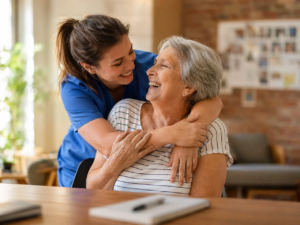

Many seniors prefer to remain in their own homes as they age, valuing familiarity, independence, and personal comfort. Living alone can offer a strong sense of autonomy, but it also comes with challenges, particularly when it comes to safety, daily routines, and managing complex tasks.
Home care provides a balanced solution that supports seniors living independently while reducing risks associated with living alone. Through structured assistance and regular monitoring, caregivers help create a safe and supportive environment without removing personal freedom.
The Challenges of Living Alone in Later Years
As people age, certain daily tasks can become more difficult to manage independently. These may include meal preparation, medication management, transportation, and household maintenance.
Living alone can also increase the risk of unnoticed health issues. For example, a fall, sudden illness, or missed medication may go unaddressed for longer periods without regular check-ins.
In addition to physical risks, social isolation can also become a concern. Limited interaction may affect emotional well-being and overall quality of life.
The Role of Daily Check-Ins
One of the most important aspects of home care is regular check-ins. These visits provide both practical support and reassurance for seniors living alone.
Caregivers use this time to ensure basic needs are being met, observe any changes in health or behavior, and assist with daily tasks as needed. Even brief but consistent interactions help reduce the risks associated with living alone.
Daily check-ins also provide emotional comfort, as seniors know that someone reliable will be present at scheduled times.
Supporting Complex Daily Tasks
Certain tasks can become more challenging with age, especially those requiring planning, physical effort, or attention to detail. Home care helps seniors manage these responsibilities safely.
Caregivers may assist with activities such as grocery shopping, meal preparation, medication reminders, and light housekeeping. This support helps ensure that essential daily needs are consistently met.
By helping with more complex tasks, caregivers allow seniors to maintain independence in areas they are still comfortable managing on their own.
Reducing Risk While Preserving Independence
A key goal of home care is to reduce safety risks without limiting independence. Seniors are encouraged to remain active in their routines while receiving assistance where needed.
Caregivers do not take over daily life but instead provide targeted support that enhances safety. This balance allows seniors to continue living in their own homes with greater confidence.
For many individuals, this approach offers a preferable alternative to moving into a facility, as it maintains familiar surroundings and personal routines.
Creating a Safer Living Environment
Home care also involves improving the safety of the living space. Caregivers may help reduce fall risks by ensuring walkways are clear, lighting is adequate, and frequently used items are easily accessible. Small adjustments in the home environment can significantly improve safety and reduce daily risks.
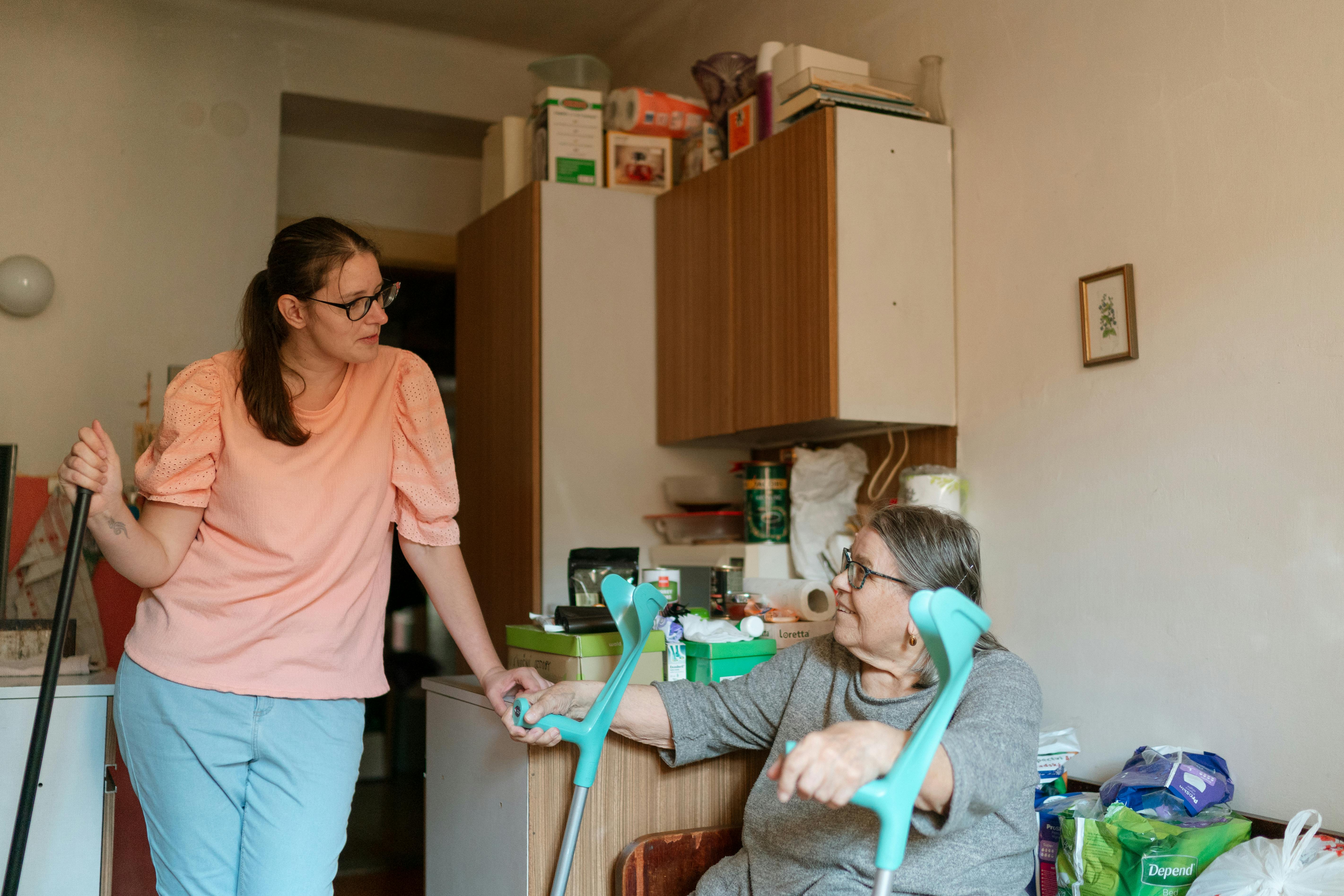
At Live Easy Home Care, we understand that living alone should still feel safe, structured, and socially connected. Our approach to home care services focuses on daily reassurance through routine support and meaningful interaction, helping seniors avoid isolation while maintaining independence. We also provide dependable home care for veterans, ensuring respectful assistance that aligns with long-term needs and personal history. With carefully designed 24-hour in-home care in Bergen County, NJ, we help monitor safety concerns while preserving comfort at home.
Contact us now.