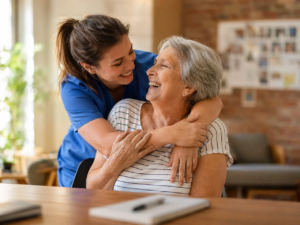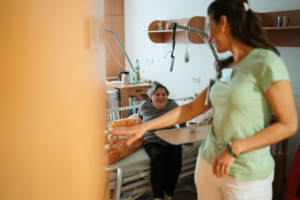

Military service often shapes a lifetime of discipline, resilience, and self-reliance. But after service ends, many veterans face a different kind of challenge: navigating aging, injury recovery, or chronic conditions without the structured support system they once relied on. Independence remains deeply important, yet it can become harder to sustain safely without assistance at home.
This is where personalized in-home support changes the trajectory of aging for veterans. It allows them to maintain autonomy in familiar surroundings while receiving the physical, medical, and emotional care needed to stay safe and stable. For many families, this balance becomes the difference between uncertainty and confidence in daily life. Here’s how home care helps veterans maintain independence safely.
Is Your Loved One Getting the Support They Deserve After Service?
Home care helps veterans maintain independence with personalized assistance, daily support, and compassionate care—right in the comfort of their home.
- Support with daily activities
- Respectful, veteran-focused care
- Promotes independence at home
Independence After Service: Why Home Matters
Independence is not just about mobility or completing daily tasks. For veterans, it is also tied to identity, dignity, and psychological well-being. Leaving the home environment often means losing routines that provide structure after military life and can trigger emotional disorientation or withdrawal.
Studies highlight that aging in a familiar environment can reduce cognitive decline symptoms, lower stress, and improve emotional stability in older adults, especially those with prior trauma or chronic conditions.
This is why veterans’ home care support systems are becoming essential in long-term care planning. They allow veterans to continue living at home while receiving tailored assistance based on evolving medical and emotional needs.

The Physical Challenges Veterans Often Face
According to reports, veterans experience higher rates of certain chronic conditions compared to the general population. Veterans are more likely to experience mobility limitations, chronic pain conditions, traumatic brain injury (TBI), post-traumatic stress disorder (PTSD), and sensory impairments.
These conditions can gradually reduce independence, making everyday tasks such as cooking, bathing, medication management, or safe movement throughout the home increasingly difficult and sometimes risky without support.
This is where structured home care services play a critical role. Caregivers assist with daily routines, monitor safety risks, and provide consistent support that helps prevent avoidable hospitalizations and emergency interventions.
For veterans with advanced or fluctuating needs, services like 24-hour in-home care ensure continuous monitoring, offering reassurance that help is always available when needed.
Emotional Health: The Often Overlooked Factor
While physical care is essential, emotional well-being is equally important. Veterans are statistically more likely to experience PTSD, depression, and anxiety compared to civilians, particularly those who served in combat environments or high-stress deployments.
The U.S. Department of Veterans Affairs estimates that about 11–20% of veterans who served in recent military operations experience PTSD in a given year, often requiring long-term emotional and psychological support systems.
This is where companion care services and consistent caregiver interaction become meaningful. Strong social connections are associated with lower depression rates, improved cognitive performance, and even better physical recovery outcomes in older adults.
Regular engagement helps reduce isolation, supports routine building, and creates trust-based relationships that improve emotional resilience over time.

Safety and Daily Living Support at Home
One of the biggest concerns for aging veterans is safety in the home environment. According to the CDC, falls remain the leading cause of injury-related death among adults aged 65 and older, often resulting in long recovery periods or permanent loss of independence.
For veterans with mobility challenges, even small environmental risks such as stairs, uneven flooring, or missed medication schedules can escalate into serious health emergencies without timely intervention or supervision.
This is where 24-hour home care services provide essential protection. Continuous supervision allows immediate response during emergencies and significantly reduces long-term injury risks and hospital readmissions.
Memory Loss and Cognitive Care for Veterans
Cognitive decline is a growing concern among aging veterans. Veterans face an increased risk of dementia due to higher exposure to traumatic brain injuries and chronic stress-related conditions throughout their service.
Structured care models, such as in-home memory care, are designed to support veterans experiencing memory loss while maintaining stability in familiar environments.
Dementia patients often experience reduced agitation, fewer behavioral symptoms, and improved daily functioning when supported in consistent, familiar home settings.

The Role of Skilled Caregivers in Veteran Support
Care quality depends heavily on caregiver training, experience, and consistency. Continuity of caregiving significantly improves health outcomes, especially for individuals managing multiple chronic conditions or cognitive decline.
This is why access to experienced caregivers is so essential; these professionals are trained to recognize early health changes, provide personal assistance, and adapt care strategies based on evolving needs and conditions.
Veterans receiving support from a home care agency benefit from structured care plans that are regularly updated, ensuring continuity, safety, and long-term health stability at home.
Financial Considerations and Care Accessibility
Cost is often a major factor in long-term care decisions. Nursing home care in the U.S. can exceed $100,000 annually, while in-home care offers more flexible pricing based on hours and required support levels.
This makes options like home care especially valuable for families balancing quality care with long-term financial planning.
For veterans requiring continuous assistance, such services provide sustainable alternatives that prioritize comfort, familiarity, and reduced institutional dependency.

Supporting Long-Term Independence Through Structured Care
Long-term independence does not mean managing everything alone. It means having the right support system in place to maintain control over daily life while ensuring safety and stability across changing health conditions and aging needs.
Home health care services integrate medical oversight with daily living support, helping veterans remain safely at home for longer periods.
Why Aging in Place Works for Veterans
There are multiple benefits of aging at home. Seniors who age in place tend to report higher satisfaction levels, stronger emotional stability, and a greater sense of autonomy compared to those in institutional care settings.
Nowadays, there is a growing preference for home-based elder care, with emotional comfort, continuity of routine, and personal independence as primary motivating factors among older adults and veterans.
These services are particularly relevant for veterans who often value structure, predictability, and control over their daily environments as part of long-term recovery and adjustment.
Support Veterans with Compassionate Home Care
Help your loved one live independently with trusted caregivers who understand the unique needs of veterans and provide personalized, in-home support.
- Personalized care plans
- Experienced caregivers
- Available 24/7
A Broader Care Approach for Veterans
Effective veteran care is rarely limited to one form of support. It typically includes a combination of physical assistance, medication management, emotional companionship, cognitive supervision, and safety monitoring tailored to each individual’s condition and history.
Home care agencies combine these services into cohesive care plans designed to adapt as needs evolve over time and health conditions progress.
For veterans requiring constant oversight, 24-hour home care ensures uninterrupted assistance, providing essential daily living support that maintains independence and dignity.

Independence after service is not about doing everything alone; it’s about having the right support system in place to continue living with dignity, structure, and confidence at home. For many veterans, the ability to stay in a familiar environment while receiving consistent care helps preserve not only physical safety but also emotional stability and a strong sense of identity. This balance between autonomy and assistance is what defines meaningful, long-term independence.
Access to reliable, personalized care makes that balance possible. With the help of certified caregivers, care becomes proactive rather than reactive, supporting both immediate needs and long-term well-being.
Live Easy Home Care provides this level of tailored support through flexible care plans designed around each individual’s condition, preferences, and lifestyle. From companionship and personal care to continuous supervision through 24-hour in-home care in Bergen County, and options like affordable live-in care in Bergen County, our services are structured to evolve alongside changing health needs.
Families seeking dependable home care services rely on us for solutions that prioritize safety, comfort, and independence without compromising quality. If maintaining independence at home is the goal, the next step is choosing care that truly supports it.
Contact us today to explore personalized in-home care solutions designed to honor service, protect independence, and provide lasting peace of mind.