Staying physically active is an important part of healthy aging. Regular movement helps maintain muscle strength, joint flexibility, balance, and overall mobility. For seniors, even light daily activity can contribute to better physical function and a higher level of independence over time. However, age-related changes, chronic conditions, or fear of falling can make it difficult to remain consistently active without support.
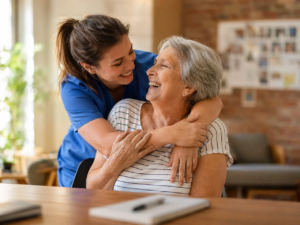
Caregivers play a key role in encouraging safe and appropriate movement within the home. Through guidance, supervision, and gentle motivation, they help seniors stay engaged in daily physical activity while reducing the risk of injury.
Why Physical Activity Matters for Seniors
As the body ages, muscle mass naturally decreases, and joints may become stiffer. Without regular movement, these changes can lead to reduced mobility and increased difficulty performing everyday tasks.
Physical activity supports:
- Improved balance and coordination
- Better circulation
- Joint flexibility
- Reduced risk of falls
- Greater independence in daily living
Even small movements performed consistently can have a meaningful impact. Activities such as walking, stretching, or light household tasks help seniors maintain functional ability and confidence.
The Role of Caregivers in Encouraging Movement
Caregivers do not force physical activity; instead, they support seniors in moving safely and consistently according to their abilities. The goal is to make activity part of a comfortable daily routine rather than a difficult task.
They begin by understanding the senior’s physical condition, energy levels, and limitations. Based on this, they help create a routine that includes appropriate levels of movement throughout the day.
This personalized approach ensures that activity remains safe, manageable, and sustainable.
Supporting Safe Mobility at Home
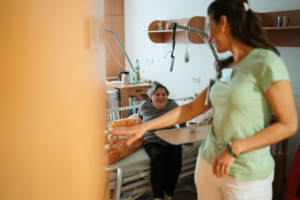
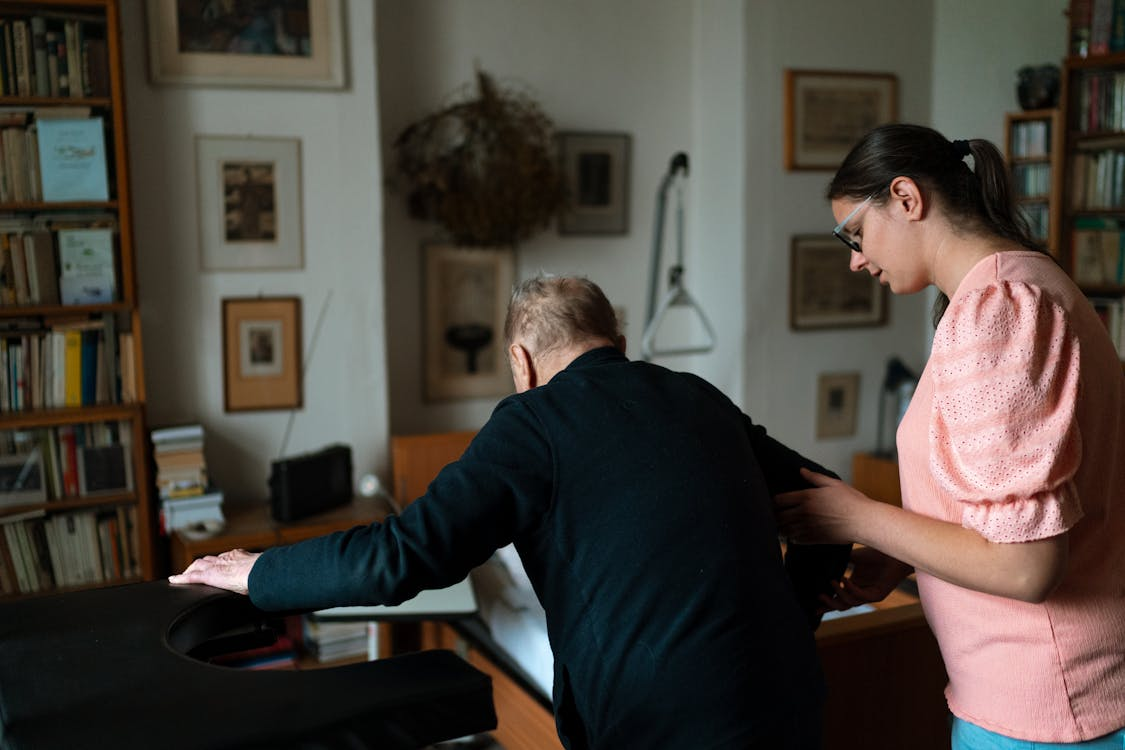
One of the primary responsibilities of caregivers is assisting with mobility. This may include helping seniors move between rooms, providing support while walking, or assisting with transfers such as sitting and standing.
Caregivers also help reduce environmental risks that could limit movement, such as removing obstacles, ensuring proper lighting, and encouraging the use of supportive equipment when needed.
By creating a safer environment, caregivers help seniors move with greater confidence.
Encouraging Light Exercise and Stretching
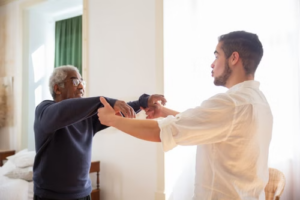
Light exercise plays an important role in maintaining flexibility and strength. Caregivers often guide seniors through simple movements such as stretching, seated exercises, or short walking sessions.
These activities are adjusted based on comfort and ability. The focus is not intensity but consistency. Regular gentle movement helps reduce stiffness and supports long-term mobility.
Caregivers may also incorporate movement into daily routines, such as encouraging walking during short breaks or assisting with simple household activities.
Supporting Long-Term Independence
The goal of caregiver-assisted activity is not only physical health but also long-term independence. By maintaining strength and mobility, seniors are better able to continue performing daily tasks on their own.
Caregivers focus on encouraging what the senior can safely do rather than replacing their efforts. This balance helps preserve dignity and confidence while providing necessary support.
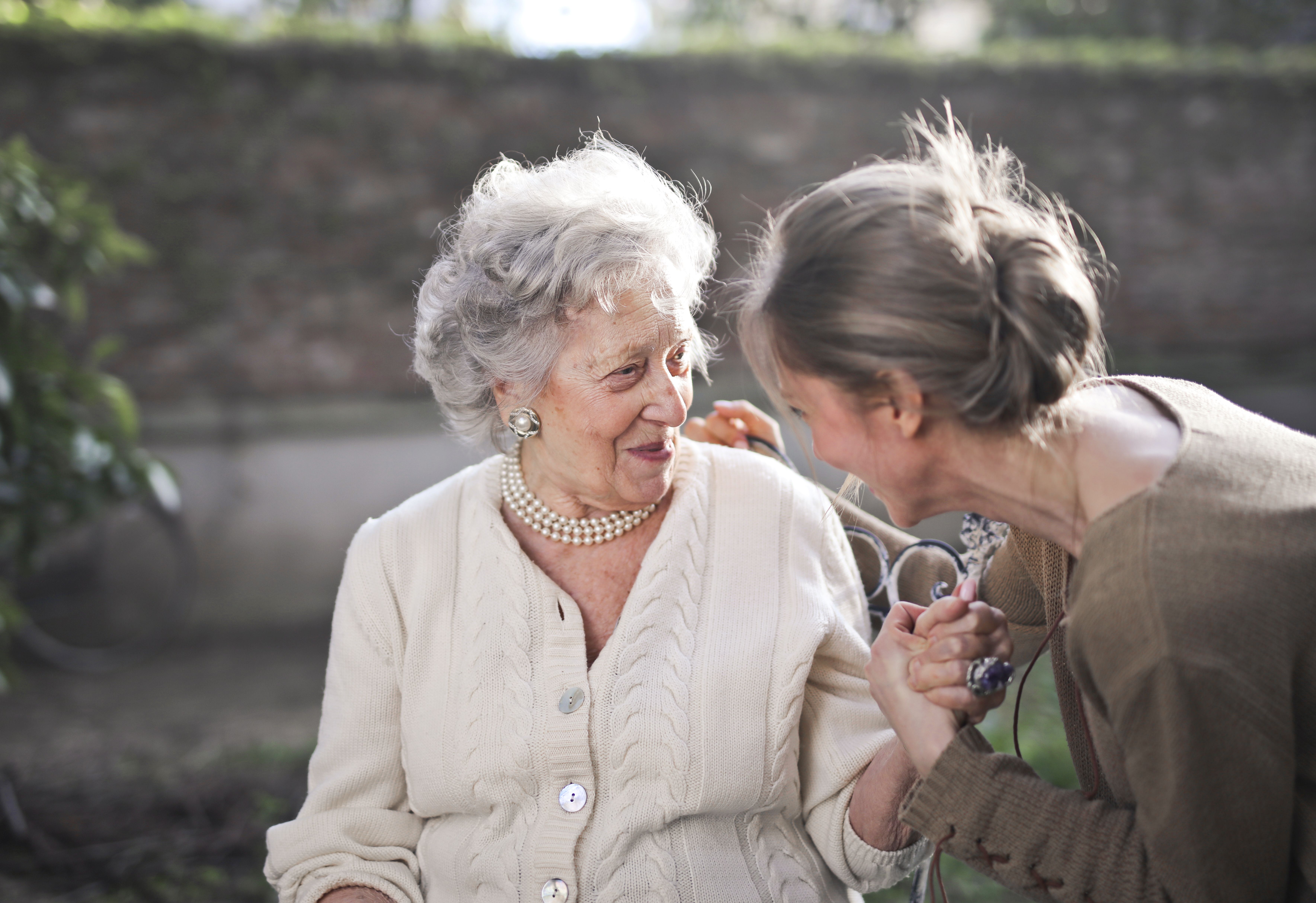
At Live Easy Home Care, we focus on helping seniors stay active, safe, and independent through consistent daily support at home. Our team provides reliable live-in care services designed to encourage safe movement and routine activity. With experienced certified caregivers and flexible 24-hour in-home care in Bergen County, we ensure seniors in Bergen County and Morris County, NJ, receive steady assistance that supports mobility, strength, and long-term well-being while remaining comfortable in familiar surroundings.