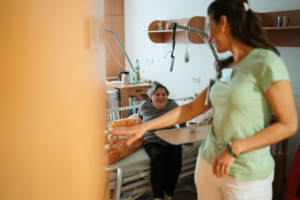

It’s a common myth that VA benefits are only for veterans with combat injuries or service-connected disabilities. The truth is, a wide range of support is available for veterans facing the challenges of aging, chronic illness, or recovery from surgery, regardless of whether their condition is tied to their military service. Many families miss out on valuable resources simply because they assume they won’t qualify. This guide is designed to clear up the confusion and show you the full scope of what’s possible. We will explore the different types of home health care assistance for veterans, including programs that help with daily tasks, skilled nursing, and even financial support, ensuring you have the information you need to access the benefits your loved one has earned.
Comprehensive Home Health Care for Veterans
Our dedicated team provides personalized in-home support for veterans, ensuring comfort, independence, and the highest quality care tailored to their unique needs.
- Veteran-focused care plans
- Trained, compassionate caregivers
- Support for daily living activities
Key Takeaways
- Eligibility is broader than you might think: Don’t rule yourself out based on assumptions. VA home care benefits are available for many veterans, not just those with service-connected disabilities, and programs like Aid and Attendance can provide crucial financial support.
- Your care plan can be tailored to your exact needs: The VA offers a wide range of services, from help with daily tasks like bathing and meal prep to skilled nursing and specialized dementia care, allowing you to create a personalized plan that supports independence at home.
- Expert help is available to guide you: The VA application can seem complex, but you don’t have to figure it out on your own. Free resources, like trained officers from Veterans Service Organizations (VSOs), can help you with paperwork and claims to ensure you get the benefits you’ve earned.
What Are VA Home Health Care Benefits?
If you’re a veteran who needs some extra support to continue living safely at home, the Department of Veterans Affairs (VA) offers a range of home health care benefits. The goal is simple: to help veterans who are dealing with chronic illness, disabilities, or the challenges of aging maintain their independence in the comfort of their own homes and communities. These benefits are designed to provide a supportive bridge, offering everything from help with daily tasks to skilled medical care, ensuring you or your loved one can live with dignity and security.
Think of these services as a personalized support system. The VA recognizes that every veteran’s situation is unique, so the care provided is tailored to meet specific health needs. Whether it’s assistance after a surgery, ongoing support for a long-term condition, or simply a helping hand to manage daily life, the VA’s Home and Community Based Services are there to make life easier. This approach allows veterans to stay connected to their families and familiar surroundings, which is often the best environment for their overall well-being.
What Qualifies as Home Health Care
So, how do you know if you or your loved one can receive these services? To qualify for VA home health care, a veteran generally needs to be enrolled in the VA health care system. From there, a VA health care team will determine if there’s a clinical need for assistance. This isn’t about just meeting an age requirement; it’s about assessing what kind of support is necessary for the veteran to live safely at home. The process ensures that the care plan is a perfect fit for the individual, addressing their specific health challenges and daily needs.
Explore the Types of Services Available
The VA offers a surprisingly wide variety of services to support veterans at home. Depending on your specific needs, your personalized care plan could include one or more of the following:
- Homemaker and Home Health Aide Care: This provides hands-on help with daily activities like bathing, dressing, and meal preparation, similar to companion care.
- Skilled Home Health Care: For medical needs, licensed professionals can provide services like wound care, physical therapy, or medication management right in your home.
- Home Based Primary Care: This is for veterans with complex, long-term health needs who require a primary care team to visit them at home.
- Respite Care: This service offers a much-needed break for family caregivers, providing temporary relief so they can rest and recharge.
- Specialized Programs: The VA also offers support for specific conditions, including dementia and Alzheimer’s care, palliative care, and telehealth services.
Know Your Coverage and Limitations
Understanding the costs is a crucial part of planning. For veterans enrolled in VA health care, the first 21 days of home health aide care within a 12-month period typically come with no copay. After that, a daily copay may apply for non-service-connected care, which was up to $15 in 2023. It’s always a good idea to confirm the current rates and your specific coverage with the VA. It’s also important to know that most veterans in the VA system don’t receive Medicaid, which can sometimes limit access to other non-VA support services. You can understand the VA home care program in more detail to prepare for any potential out-of-pocket costs.
How to Know if You’re Eligible
Figuring out your eligibility for VA benefits can feel like a puzzle, but it’s much more approachable when you know which pieces to look for. The VA has specific criteria to determine who qualifies for home health care, and understanding them is the first step toward getting the support you or your loved one deserves. It generally comes down to your enrollment status, health needs, and service history. Let’s walk through the key requirements so you can feel confident about your next steps.
Check the Basic Qualifications
Before diving into the details, there are a few foundational requirements you’ll need to meet. First and foremost, a veteran must be enrolled in the VA health care system. If you’re not already enrolled, that’s your starting point. Second, a VA physician or clinician must determine that you have a clinical need for home care. This means they’ve assessed your situation and agree that you require assistance to live safely at home. This could involve help with daily activities, managing a chronic condition, or needing support to prevent falls. Meeting these initial criteria opens the door to accessing valuable home care services for veterans.
Eligibility for Service-Connected Conditions
If you have a disability or illness that was caused—or made worse—by your active military service, you may have a more direct path to receiving home care benefits. The VA gives priority to veterans with service-connected conditions. These benefits can cover a wide range of support, from skilled nursing to personal care assistance with tasks like bathing, dressing, and mobility. Whether you’re recovering from a procedure or need ongoing support for a long-term injury, having a service-connected disability often makes you eligible for comprehensive post-surgery care and daily assistance right in the comfort of your own home.
Eligibility for Non-Service-Connected Conditions
It’s a common misconception that you can only get VA home care for service-related injuries. Many veterans with non-service-connected conditions can still qualify for assistance, especially if they have limited income or significant health challenges. The VA will look at your financial situation and the severity of your medical needs to make a determination. For instance, conditions like advanced-stage dementia or Alzheimer’s often require a level of care that makes a veteran eligible for support, regardless of whether the condition is tied to their military service. It’s always worth exploring your options for Dementia & Alzheimer’s Care, so don’t rule yourself out.
Gather Your Required Documents
To make the application process as smooth as possible, it helps to have your paperwork in order ahead of time. Think of it as preparing your toolkit. You will definitely need your DD-214 or other discharge papers to verify your military service. You should also gather any relevant medical records that document your health condition and demonstrate your need for care. Finally, be prepared to provide proof of income and assets, as this is often a factor in eligibility, particularly for non-service-connected benefits. Having these documents ready will save you time and help the VA process your application more efficiently.
What Services Can You Receive at Home?
One of the biggest advantages of VA benefits is the wide range of services designed to help you live comfortably and safely in your own home. The goal is to provide the support you need to maintain your independence, whether that means a little help with daily chores or more intensive, specialized care. These programs recognize that every veteran’s needs are unique and offer flexible solutions to match. By bringing care directly to you, these services make it easier to manage your health and stay connected to your community.
Understanding what’s available is the first step toward building a care plan that truly works for you and your family. From personal assistance to skilled medical support, you can create a network of care that supports your well-being. This flexibility allows you to receive the right level of home care for veterans right where you want to be.
Get Help with Personal Care and Daily Tasks
Sometimes, all you need is a helping hand to make daily life easier and safer. The VA’s Homemaker and Home Health Aide (H/HHA) program is designed for this exact purpose. A caregiver can assist with personal tasks like bathing, dressing, and grooming, ensuring your comfort and dignity. They can also help with household activities such as preparing meals, light cleaning, and grocery shopping. This kind of support can make a world of difference, allowing you to conserve your energy for the things you enjoy most. Think of it as having a trusted partner to handle the day-to-day, so you can focus on your health.
Access Skilled Nursing Care
For veterans with medical needs that require a professional, the VA offers Skilled Home Health Care. This service brings a licensed nurse or therapist to your home to manage more complex health issues. This can include wound care, administering injections, managing medications, or monitoring a serious health condition. It’s an excellent option for those recovering from surgery or an illness, as it provides hospital-level expertise in the comfort of your home. This service ensures you’re following your doctor’s orders correctly and can help prevent complications, making your recovery smoother and safer.
Receive Therapy and Rehabilitation
Staying strong and mobile is key to maintaining your independence. If you need help recovering from an injury or managing a chronic condition, you can receive therapy and rehabilitation services at home. This can include physical therapy to improve strength and balance, occupational therapy to make daily tasks easier, or speech therapy to address communication challenges. A home health provider can guide you through exercises and create a personalized plan to help you regain function and confidence. This in-home support is crucial for a steady recovery and is a core part of a comprehensive injury and fall prevention strategy.
Find Specialized Care Programs
Certain health conditions require a deeper level of understanding and a more specific approach to care. The VA recognizes that veterans with specialty needs, such as dementia, behavioral health issues, or those requiring ventilator support, need dedicated programs. While finding the right provider can sometimes be a challenge, specialized care is essential for managing these conditions effectively. For instance, caregivers trained in Dementia & Alzheimer’s Care know how to create a safe, calming environment and use techniques that reduce confusion and anxiety. This tailored support ensures you or your loved one receives compassionate and knowledgeable care.
Learn About Respite Care for Family Caregivers
Caring for a loved one is a rewarding but demanding role. The VA offers respite care to give family caregivers a well-deserved break, so they can rest and recharge. This service provides short-term care for a veteran, which can last for a few hours, a full day, or even a few weeks. During this time, a professional caregiver steps in to handle all caregiving duties. Respite care is a vital resource that helps prevent caregiver burnout and ensures the veteran continues to receive seamless, high-quality support. It gives families peace of mind, knowing their loved one is in good hands.
How to Fund Your Home Health Care
Figuring out how to pay for home care can feel like a major hurdle, but there are several financial avenues available specifically for veterans. From federal programs to private insurance, these resources are designed to make quality care more accessible. Understanding your options is the first step toward creating a sustainable care plan that supports your loved one’s desire to live comfortably and safely at home. Let’s walk through the key ways you can fund the care you need.
Explore VA Aid and Attendance Benefits
The VA Aid and Attendance benefit is a valuable but often overlooked resource. It’s a special monthly payment from the VA designed to help veterans and their spouses cover home care costs. This benefit can provide significant financial assistance, yet reports show that only a small fraction of eligible veterans and spouses are currently using it. If you or your loved one requires help with daily activities like bathing, dressing, or mobility, it’s worth investigating whether you qualify for this additional support. It can make a substantial difference in your ability to afford consistent, professional care.
Understand VA Pension Benefits
One of the most common misconceptions is that VA benefits are reserved only for veterans with service-connected disabilities. The truth is, all veterans are eligible to apply for VA benefits, regardless of their disability status. This opens the door for many more families to receive financial assistance that can be put toward home health care. Don’t count yourself out before you’ve explored all the possibilities. The VA pension program is designed to support veterans with financial need, and it can be a key component in funding a comprehensive care plan.
Use Medicare and Other Insurance
Veterans can also use Medicare to help cover home health care services. For instance, you may not have to pay a copay for the first 21 days of home health care within a 12-month period. After that, a small daily copay may apply for non-service-connected care. To manage these remaining costs, other health insurance policies can be a great help. Many families find that long-term care insurance is an effective way to cover copayments and other expenses that Medicare doesn’t, ensuring there are no gaps in coverage when you need it most.
Discover New Jersey’s Veteran Benefits
The VA offers a variety of special services with the primary goal of helping chronically ill, elderly, or disabled veterans maintain their independence at home. These programs are specifically designed to support veterans who want to continue living in their own communities rather than moving to an institutional setting. By taking advantage of these home and community-based services, you can access the support needed to ensure a safe and comfortable living environment. These benefits are a testament to the VA’s commitment to helping veterans live with dignity on their own terms.
Plan for Out-of-Pocket Costs
Even with benefits and insurance, it’s wise to plan for some out-of-pocket expenses. A proactive way to prepare is to apply for VA health care benefits if you haven’t already. Once enrolled, schedule a consultation with a VA primary care doctor or a geriatrics team. They can perform an evaluation to officially determine your eligibility for home health care services. Taking this step early gives you a clear picture of what services you qualify for and helps you anticipate any personal costs, allowing you to budget effectively and avoid financial surprises down the road.
Your Step-by-Step Guide to Applying
Once you’ve confirmed your eligibility, the next phase is applying for benefits and setting up care. It might seem like a lot of steps, but breaking it down makes the process much more manageable. This straightforward guide will walk you through getting the application done and finding the right support for your family.
Prepare Your Application Documents
Before you can access home care benefits, you need to be enrolled in the VA health care system. If you haven’t already, that’s your first move. Once enrolled, you’ll need to gather a few key documents to prove your eligibility and clinical need for care. Think of it as building your case file. You’ll typically need your DD-214 or other discharge papers, financial information to verify income, and any relevant medical records that detail your health conditions. Having these papers organized and ready will make the entire application process smoother and faster.
What to Expect During the VA Assessment
After you submit your application, the VA will schedule an assessment to understand your specific needs. This isn’t a test—it’s a conversation. A VA clinician will evaluate your health to determine what level of care is appropriate. They’ll look at your ability to handle daily activities, your medical conditions, and your overall well-being. This assessment helps them decide whether you need nonmedical support, like help with meals and errands, or more skilled medical care at home. Be open and honest during this evaluation so they can get a clear picture of the support you require.
Create Your Personalized Care Plan
The VA assessment provides the foundation, but you and your family play a huge role in shaping your care plan. This is your opportunity to detail exactly what you need. Does your loved one need help with mobility and fall prevention? Are they living with dementia and require specialized support? Take the time to think through daily routines, medical requirements, and personal preferences. A great care plan is a roadmap that ensures the support you receive is truly tailored to your life, promoting independence and comfort at home.
How to Find a Qualified Care Provider
With a care plan in hand, your next step is finding the right people to bring it to life. Look for a home care agency with proven experience working with veterans. Don’t be shy about asking questions. Inquire about their caregiver training, ask for references from other families, and see if they are familiar with the VA system. Finding a provider who understands the unique needs of veterans can make all the difference. A compassionate and professional team will work with you to ensure a smooth transition and provide the high-quality home care for veterans you deserve.
Ensure High-Quality Care Standards
Finally, before making a decision, confirm the agency’s commitment to quality and safety. The best providers ensure their home caregivers are thoroughly vetted, which means they are licensed, insured, and have passed comprehensive background checks. It’s also important that they receive ongoing training, especially for specialized situations like post-surgery recovery or managing chronic illness. This diligence gives you peace of mind, knowing your loved one is in capable and trustworthy hands. A reputable agency will be transparent about their hiring and training standards, so you can feel confident in your choice.
Find Support and Key Resources
Applying for VA benefits can feel like a complex and demanding process, but you don’t have to do it alone. A strong network of support is available to help you and your family every step of the way. Think of these resources as your dedicated team, ready to provide guidance, answer questions, and ensure you can access the full range of benefits you’ve earned. From official VA medical centers to community-based organizations, each plays a vital role in helping veterans live with the dignity and independence they deserve, right in the comfort of their own homes.
Understanding where to turn for help is the first step in building a comprehensive care plan. Whether you need assistance with paperwork, want to connect with fellow veterans, or are looking for financial support for family caregivers, there’s a program designed for you. These organizations can help you make sense of eligibility requirements, create a personalized care strategy, and find qualified providers. By tapping into this support system, you can reduce stress and focus on what truly matters: your loved one’s health and well-being. Professional home caregivers can then work alongside these programs, creating a complete safety net that ensures continuous, high-quality care.
Connect with Your Local VA Medical Center
Your local VA medical center is your primary gateway to the nation’s largest integrated health care system. Enrolling in VA health care gives you access to a vast network of over 1,200 care locations and thousands of providers who specialize in the unique health needs of veterans. These centers are more than just hospitals; they are hubs for a wide range of services, including primary care, mental health support, and specialized programs for older adults. By establishing a connection with your local facility, you create a direct line to the resources and medical professionals who will manage your care. You can find your nearest VA location online to get started.
Work with Veterans Service Organizations
Many veterans who are eligible for benefits never apply simply because the process seems too daunting. This is where Veterans Service Organizations (VSOs) can be incredibly helpful. Groups like the VFW, American Legion, and Disabled American Veterans have trained service officers who can guide you through the application process for free. They act as your personal advocates, helping you gather the right documents, fill out complex forms, and file your claims correctly. These experts understand the system inside and out and can significantly improve your chances of a successful application for benefits like home care for veterans.
Get Support Through Family Caregiver Programs
If a family member is your primary caregiver, the VA offers programs that provide financial and emotional support. The Program of Comprehensive Assistance for Family Caregivers, for example, offers a monthly stipend, health insurance, and mental health services to eligible caregivers of veterans who were seriously injured in the line of duty. Another option is the Veteran-Directed Care program, which gives veterans a flexible budget to hire their own caregivers—including a family member. This empowers you to choose who provides your care while easing the financial burden on your loved ones. These caregiver support programs recognize the critical role families play in a veteran’s health.
Tap into Community Support Services
The VA is committed to helping veterans remain in their own homes for as long as possible. Through its Home and Community-Based Services, the VA provides non-medical support to assist with daily activities. These services are designed for veterans who are chronically ill, elderly, or disabled but want to maintain their independence. Programs can include help with bathing and dressing, meal preparation, and companionship. By bringing these essential companion care services directly to your home, the VA helps you live safely and comfortably in a familiar environment, delaying or preventing the need for a nursing home.
Know Your Advocacy Resources
Even with support, you may encounter challenges or disagreements while dealing with the VA system. Advocacy resources are available to help you stand up for your rights and get the benefits you are entitled to. Organizations like the National Veterans Legal Services Program offer free legal assistance to veterans and their families to resolve issues with disability benefits and other claims. Having an advocate in your corner can make a huge difference, especially when you’re facing a denial or a complex appeal. They ensure your voice is heard and that you receive fair treatment throughout the entire process.
How to Overcome Common Hurdles
Applying for and managing VA benefits can feel like a full-time job. From confusing paperwork to finding the right provider, you might run into a few challenges along the way. But don’t let these potential roadblocks discourage you. With a little preparation and the right support system, you can work through them and secure the quality care you or your loved one deserves. Think of these hurdles as steps in the process, each one manageable with the right approach.
The key is to anticipate these challenges so you can create a clear plan. Many families find the process overwhelming at first, but breaking it down into smaller, actionable steps makes a world of difference. It’s about knowing where to find information, who to ask for help, and what your options are if the first path doesn’t work out. Whether it’s simplifying the application, managing costs, or ensuring clear communication with your care team, taking a proactive stance will make the entire experience smoother for you and your family. This section will walk you through some of the most common obstacles and give you practical strategies to handle them with confidence.
Simplify the Application Process
The VA application process is known for being detailed and complex. To make it more manageable, start by getting a clear picture of what you’re applying for. Understanding the full scope of available benefits is essential, as many veterans qualify for programs like Home Health Aide (HHA) services or Aid and Attendance without realizing it. Before you begin, gather all necessary documents, including your DD-214, medical records, and proof of income. Working with a Veterans Service Officer (VSO) can be incredibly helpful; they are trained to guide you through the paperwork at no cost. A knowledgeable home care agency can also provide valuable assistance in aligning your care needs with the right VA programs.
Find Care in Rural Areas
Finding specialized care can be particularly challenging in less populated areas. The VA sometimes struggles to find appropriate long-term care services for veterans with specific needs, such as advanced dementia and Alzheimer’s care or behavioral health support. If you live in a rural or suburban part of New Jersey and are facing a limited network of VA-contracted providers, don’t lose hope. Ask your VA coordinator about the Veteran Community Care Program, which allows you to receive care from community providers outside the VA system when certain criteria are met. This can open up more options and ensure you get the specialized support you need closer to home.
What to Do When Providers Are Limited
What happens if the VA’s list of approved providers is short, or none of them feel like the right fit for your family? You always have a choice. Your benefits, especially those like the VA Pension with Aid and Attendance, can often be used to hire a private home care agency that meets your specific standards. For veterans who may not find a suitable match through VA-contracted services, Live Easy Home Care offers a wide range of home care services for veterans, including personal care, companionship, and post-surgery support. Choosing a provider is a personal decision, and you deserve a team that aligns with your family’s values and needs.
Manage Your Care Costs Effectively
Understanding the financial side of home care is crucial for long-term peace of mind. For VA-provided home health care, veterans typically do not have a copay for the first 21 days of care within a 12-month period. After that, a small daily copay may apply for non-service-connected care. If you are using benefits like Aid and Attendance, you’ll receive a monthly stipend that you can use to pay for care from the provider of your choice. When you speak with a potential agency, be sure to discuss all payment options, including private pay and the use of long-term care insurance, to create a sustainable financial plan.
Communicate Clearly with Your Care Team
A successful home care experience is built on a foundation of trust and clear communication. Your care team should feel like an extension of your family, and that requires an open line of dialogue. From the start, look for an agency that prioritizes active listening and involves you in every step of the care planning process. Providers and home caregivers should communicate regularly with the veteran’s family to provide updates and address any concerns. This partnership ensures that the care plan evolves with your loved one’s needs and that everyone feels heard, respected, and confident in the care being provided.
Explore More Programs for Veterans and Families
Beyond direct home care, a network of programs exists to support veterans and their families. These resources are designed to address the complete picture of a veteran’s well-being, from caregiver education to home safety modifications. Taking the time to explore these options can add valuable layers of support, creating a more comprehensive and secure care environment. Many of these programs work hand-in-hand with professional home care services, ensuring that every need is met.
Understanding the full scope of available benefits is the first step toward building a robust support system. Whether it’s accessing training to become a more effective family caregiver or securing financial aid for home adaptations, these programs empower you to create a safe, comfortable, and supportive home. They provide peace of mind not just for the veteran, but for the entire family, knowing that a strong safety net is in place.
Access Training for Family Caregivers
As a family member, you play a vital role in your loved one’s care. The VA recognizes this and offers programs to equip you with the skills and knowledge you need. The Program of Comprehensive Assistance for Family Caregivers (PCAFC) provides education, support, and even a monthly stipend for eligible family members. Understanding the different benefits available, such as Home Care for Veterans, is key to making informed decisions. These training resources help you feel more confident in your role, ensuring you can provide the best possible support while also taking care of your own well-being.
Prioritize Mental Health Support
The transition from military to civilian life can present unique challenges, and prioritizing mental health is essential for overall well-being. Openly discussing mental health helps create a supportive environment where veterans feel comfortable seeking help. The VA offers a wide range of mental health services, including counseling, therapy, and specialized programs for conditions like PTSD. Recognizing the signs and knowing where to turn for professional support can make a significant difference. Encouraging these conversations and connecting with the right resources is a powerful way to support a veteran’s long-term health and happiness.
Arrange for Transportation Assistance
Maintaining independence often means having reliable transportation for medical appointments, errands, and social activities. For veterans who can no longer drive or have mobility challenges, this can be a major hurdle. The VA offers several transportation resources, including the Veterans Transportation Service (VTS), which helps veterans get to and from their VA medical appointments. Some veterans may also qualify for beneficiary travel benefits for reimbursement. Exploring these options ensures your loved one can remain connected to their community and, most importantly, access the medical care they need without interruption.
Adapt Your Home for Safety and Comfort
A safe home environment is the foundation of aging in place. The VA offers grants to help veterans with service-connected disabilities make their homes safer and more accessible. These grants, such as the Home Improvements and Structural Alterations (HISA) grant, can fund modifications like installing grab bars, building wheelchair ramps, or widening doorways. These adaptations are crucial for injury and fall prevention and allow veterans to move around their homes with greater confidence and independence. Creating a physically supportive space is a practical and impactful way to enhance a veteran’s quality of life at home.
Set Up an Emergency Response System
For veterans living alone or with intermittent care, a medical alert system provides an essential safety net. These systems allow a veteran to call for help with the push of a button, connecting them instantly to an emergency dispatcher. This technology offers tremendous peace of mind for both the veteran and their family, knowing that help is available 24/7. Regular communication between family members and care providers can ensure these systems are working correctly and that everyone understands the emergency plan. It’s a simple yet effective tool that complements professional around-the-clock care and supports a veteran’s safety.
Related Articles
- Veteran Home Care Benefits: A Complete Guide
- Who Is Eligible for Veterans Home Care? A Guide
- How Home Care for Veterans Provides Dignity and Daily Support – Live Easy Cares
Looking for Trusted Home Care for a Veteran?
Ensure your veteran loved one receives compassionate, personalized in-home support that promotes independence, safety, and overall well-being.
- Veteran-focused care plans
- Experienced, caring caregivers
- Support for daily activities
Frequently Asked Questions
Does my parent’s condition have to be related to their military service to qualify for home care benefits? This is a very common question, and the answer is no, not necessarily. While veterans with service-connected conditions often receive priority, many veterans qualify for benefits based on financial need and their level of disability, regardless of whether their health issues are tied to their time in the military. It’s always worth applying, especially for programs like the VA Pension with Aid and Attendance, which is specifically designed to help veterans who need assistance with daily living activities.
Can I use VA benefits to hire a private home care agency of my choice? Yes, in many cases you can. While the VA does contract with specific agencies for some of its programs, other benefits like the VA Pension with Aid and Attendance or the Veteran-Directed Care program provide you with a monthly stipend. This gives you the flexibility to choose and hire the home care provider that you feel is the best fit for your family’s needs and values, allowing you to select an agency based on your own research and comfort level.
The application seems complicated. What is the single most important first step I should take? The best place to start is by connecting with a Veterans Service Officer, or VSO. These trained professionals, often found at organizations like the VFW or American Legion, can guide you through the entire application process for free. They act as your advocate, helping you understand which benefits you’re eligible for and ensuring your paperwork is filed correctly. This step alone can save you a tremendous amount of time and reduce the feeling of being overwhelmed.
What is the difference between the VA’s Homemaker/Home Health Aide program and the Aid and Attendance benefit? Think of it this way: the Homemaker and Home Health Aide (H/HHA) program is a specific service provided through the VA where they send a caregiver to your home. Aid and Attendance, on the other hand, is a financial benefit. It’s an increased monthly pension amount given to veterans who need help with daily activities. You can then use that money to pay for care from an agency you choose, giving you more control over who comes into your home.
My family member is the primary caregiver and is getting burned out. Does the VA offer any support for them? Absolutely. The VA recognizes the immense effort of family caregivers and offers several support programs. Respite care is a key service that provides a professional caregiver to temporarily take over, giving your family member a much-needed break to rest and recharge. Additionally, programs like the Program of Comprehensive Assistance for Family Caregivers can offer training, counseling, and even a monthly stipend to help ease the financial and emotional strain of caregiving.