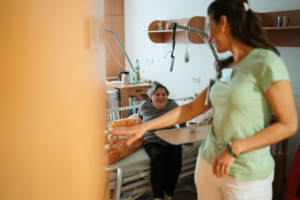

Caring for a loved one is an act of devotion, but it can quickly become overwhelming. Family caregivers often juggle multiple responsibilities, from managing medications to handling household tasks, while also navigating the emotional weight of seeing a loved one age or face illness. Without support, this constant pressure can lead to burnout, affecting mental and physical health.
The first step toward regaining balance is recognizing that seeking help is not a sign of weakness. Many caregivers believe they must manage everything alone, but professional assistance can be a lifeline. Experienced caregivers provide structured support that allows families to preserve their well-being while ensuring their loved ones receive quality care.
Understanding Caregiver Burnout
Burnout among family caregivers is more common than most realize. Symptoms can include chronic fatigue, anxiety, irritability, and even physical health issues such as headaches or weakened immunity. Over time, these stressors may impact relationships, work performance, and overall life satisfaction.
One of the key contributors to burnout is the expectation of perfection. Caregivers often feel they must meet every need themselves, from preparing meals to handling medical appointments. In reality, this is an impossible standard. Accepting that external help is necessary is the first step toward restoring balance.
Identifying When to Seek Help
Many family caregivers delay seeking support until exhaustion becomes unmanageable. Signs that it’s time to consider professional assistance include:
- Difficulty managing daily tasks
- Feeling consistently anxious or depressed
- Strained family relationships
- Neglecting personal health or social activities
If any of these signs resonate, connecting with affordable live-in care in Cresskill, NJ, or similar services can provide the necessary relief. Professionals can step in to manage daily responsibilities, offering caregivers the chance to recharge.
Types of Support Available

Professional caregivers offer a variety of services tailored to meet different needs.
Live-In Care
For seniors requiring constant attention, live-in care in Mahwah, NJ, or nearby areas ensures 24/7 support. Live-in caregivers assist with everything from mobility and hygiene to medication management, providing families peace of mind while maintaining the loved one’s independence.
Specialized Senior Care
Older adults may face conditions such as Alzheimer’s, dementia, or chronic illnesses that require targeted attention. Dementia care and senior care provide trained caregivers who understand the complexities of these conditions, helping preserve cognitive function and emotional well-being.
24-Hour Home Care
For those needing round-the-clock support, 24-hour home care in Cresskill or Ridgewood, NJ ensures immediate assistance for any emergency, day or night. This service is particularly beneficial for seniors with mobility challenges or medical conditions requiring constant monitoring.
Strategies for Preventing Caregiver Burnout
While professional help is invaluable, family caregivers can also adopt strategies to manage stress and maintain balance.
1. Schedule Regular Breaks
Even short breaks can prevent mental fatigue. Whether it’s a walk, reading, or a coffee break, these moments of respite are crucial for long-term sustainability.
2. Accept Help
Invite friends, family, or professionals to assist with tasks like meal preparation, transportation, or household chores. Accessing live-in care in Franklin Lakes, NJ, can take the burden off your shoulders while ensuring your loved one’s needs are met.
3. Prioritize Self-Care
Regular exercise, healthy meals, and adequate sleep are non-negotiable. Caregivers who neglect their health risk both physical and mental exhaustion.
4. Join Support Groups
Connecting with other caregivers allows for shared experiences, advice, and emotional validation. Online forums or local groups in Bergen County offer a sense of community for those who often feel isolated.
5. Maintain Clear Communication
Establishing open lines of communication with family members and professional caregivers ensures everyone is on the same page regarding care plans, schedules, and expectations.
The Emotional Dimension of Caregiving

Care giving is emotionally complex. Witnessing a loved one struggle with health issues can evoke feelings of guilt, sadness, and frustration. Experienced caregivers are not only trained in physical assistance but also provide compassionate support that addresses emotional needs.
By delegating tasks to professional caregivers, family members can focus on fostering meaningful interactions rather than constant supervision. This shift allows relationships to flourish in a positive, nurturing environment, reducing tension and enhancing quality of life for both caregiver and recipient.
Financial Considerations
Cost is a common concern for families seeking professional assistance. Fortunately, there are options for affordable senior care in Bergen County, NJ, and surrounding communities. Comparing services, understanding care packages, and exploring flexible payment plans can make professional help more accessible without compromising quality.
Additionally, families should consider long-term benefits. Investing in professional care often reduces medical emergencies, hospitalizations, and the personal toll on caregivers, ultimately saving money and improving overall health outcomes.
Creating a Sustainable Care Plan
Developing a structured care plan is essential for maintaining balance. Steps to consider include:
- Assessment of Needs:Identify the level of care required, including physical assistance, medication management, and cognitive support.
- Selecting the Right Caregiver: Consider personality, skills, and experience. Experienced caregivers with training in senior care or dementia support provide peace of mind and reliability.
- Establishing a Schedule:Balance professional support with family involvement, ensuring that caregivers and loved ones both have quality time and rest.
- Periodic Review:Reassess care needs regularly to adjust services as conditions change, preventing gaps in support.
Maintaining Your Personal Life

It’s easy for care giving to consume every moment. However, sustaining your own interests, friendships, and hobbies is essential for long-term well-being. Scheduling regular activities outside care giving responsibilities helps maintain perspective, reduce stress, and prevent burnout.
Leveraging Community Resources
Beyond private caregivers, community organizations and local agencies can offer valuable support. In-home senior support, or caregiver services, often provide educational resources, respite programs, and counseling to help families manage the emotional and logistical challenges of long-term care giving.
Preparing for Future Needs
A proactive approach to caregiving includes anticipating future needs. Understanding the progression of chronic illnesses or age-related conditions allows families to plan ahead, ensuring consistent care and minimizing last-minute stress. Connecting with providers of 24-hour in-home senior care or specialized memory care for seniors can help families prepare for changes in care requirements with confidence.
Building Resilience for the Long Term
Caregiving is not a short-term responsibility for many families; it often extends over years, and sometimes decades. This reality makes resilience one of the most valuable traits a caregiver can cultivate. Resilience doesn’t mean ignoring the stress or pretending everything is fine; instead, it’s about developing the strength and adaptability to face challenges while still protecting your own health and happiness. Building resilience begins with acknowledging your limits and leaning on resources designed to support you. Whether it’s accessing affordable live-in care in Ridgewood, NJ, or joining caregiver wellness workshops in your local community, these supports help caregivers recharge emotionally and physically.
Here are some practical ways to build resilience:
Set Realistic Expectations: Accept that you cannot do everything alone and that it’s okay to seek help.
Use Community Resources: Explore caregiver support groups, workshops, and local services that provide education and relief.
Practice Mindfulness: Techniques such as meditation, deep breathing, and journaling can ease emotional strain.
Seek Professional Guidance: Counseling or therapy provides a safe space to process feelings and develop coping strategies.
Prioritize Rest and Recovery: Schedule downtime for hobbies, exercise, and quality sleep to maintain physical and emotional energy.
Over time, these practices create a stronger foundation, ensuring that caregiving remains a journey of compassion rather than a burden of exhaustion. By investing in resilience, caregivers not only safeguard their own well-being but also provide more consistent, loving, and attentive care to their loved ones.
Empowering Family Caregivers
Ultimately, the goal is empowerment. By recognizing limitations, seeking professional assistance, and implementing self-care strategies, caregivers can transition from a state of chronic stress to one of sustainable balance. Experienced caregivers provide the knowledge, skills, and emotional support needed to navigate this journey with confidence.
Take the First Step Toward Balance

If you’re a family caregiver feeling overwhelmed, Live Easy Home Care is here to help. Our team of experienced caregivers specializes in 24-hour care, live-in care, senior care, and dementia care in Cresskill, Mahwah, Franklin Lakes, Ridgewood, Bergen County, NJ, and beyond. We offer compassionate, personalized support tailored to your loved one’s needs, helping you restore balance in your life. Contact us today to learn how our professional team can support your family with affordable, quality home care.