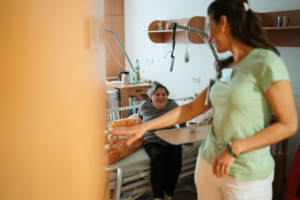

Creating a safe home for seniors involves far more than installing grab bars or medical alert systems. While these tools can help in emergencies, preventing accidents and supporting cognitive health begins with a comprehensive approach that considers the environment, daily routines, supervision, and professional caregiving. A home that is thoughtfully arranged and monitored can reduce risks, support independence, and enhance a senior’s overall quality of life.
Partnering with experienced caregivers ensures that families have guidance from trained professionals who understand both physical and cognitive safety. These caregivers assess risks, implement strategies to prevent falls or confusion, and provide compassionate support that helps seniors remain secure and confident in their own homes.
Beyond physical safety, a well-designed home supports emotional well-being. Seniors often experience stress or anxiety when their environment feels unpredictable or cluttered, which can worsen cognitive changes. Creating a safe home isn’t just about preventing accidents—it’s about fostering independence, confidence, and peace of mind for both seniors and their families. Early guidance from professional caregivers helps families make informed decisions that protect health and dignity.
Understanding Environmental Risks for Seniors
Many hazards exist in everyday home spaces, from kitchens and bathrooms to stairs and living areas. Slippery floors, uneven steps, cluttered pathways, and poorly lit rooms all contribute to the risk of falls. Less obvious dangers, like loose rugs, exposed cords, or furniture that obstructs walking routes, can also create daily challenges.
Families can take proactive steps such as installing non-slip mats, improving lighting in hallways and stairways, and securing cords and loose rugs. Regularly reviewing the home layout as needs change is crucial, especially as mobility or memory issues progress. Involving professional home care support ensures these adjustments are effective and tailored to the senior’s lifestyle, providing a safer and more comfortable environment that reduces the risk of injury and enhances daily living.
Professional in-home support, such as home care support, can identify these risks and implement solutions before accidents occur. Beyond physical safety, a well-organized and familiar environment has emotional benefits as well. Seniors feel more comfortable, confident, and secure when their surroundings are predictable and tailored to their needs, which can reduce anxiety and support cognitive function.
Beyond Grab Bars: Designing Functional Spaces
Safety in the home goes far beyond simple grab bars and alert systems. Creating functional spaces starts with open layouts and clear walking paths that reduce the risk of trips and falls. Furniture should be arranged to allow easy movement, with sturdy chairs and supportive seating placed where needed most.
For seniors experiencing cognitive changes, visual cues can be just as important as physical adjustments. Contrasting colors on walls, door frames, or furniture can help with orientation and memory, while clear labeling of rooms, cabinets, and drawers supports independence. Medications and personal items should be stored safely yet remain accessible, minimizing confusion and accidents. With guidance from specialized in-home care, families can adapt living spaces to be both safe and supportive, meeting the unique physical and cognitive needs of their loved one.

Daily Routines as a Safety Tool
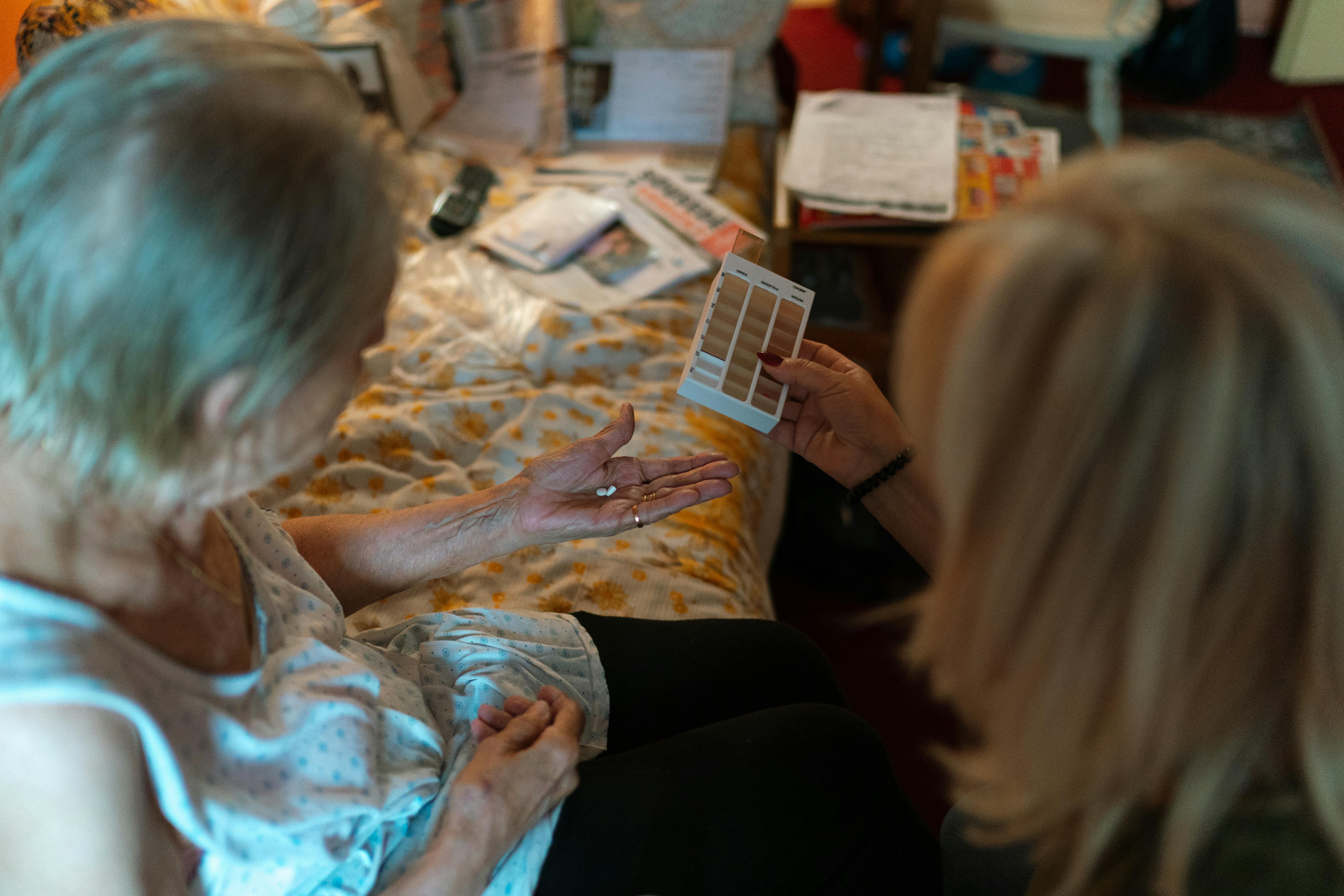
Consistent daily routines are powerful tools for promoting safety and supporting cognitive health. Regular schedules for meals, hygiene, medications, and activities reduce confusion and help seniors anticipate what comes next, which minimizes stress and prevents accidents.
Routines also encourage mental engagement and independence. Structured activities, such as simple exercises, hobby time, or memory-stimulating games, reinforce cognitive function while providing a sense of purpose. Caregivers also track hydration, meal timing, and sleep schedules, which are critical for preventing confusion, fatigue, and falls. By blending routine with engagement, seniors stay physically active, mentally stimulated, and emotionally supported. Services like home care services ensure these routines are consistently maintained and adapted as needs evolve.
Professional caregivers help maintain these routines, offering gentle guidance and monitoring to keep seniors on track. Services like home care services provide tailored daily support, ensuring that each day is both safe and enriching for the individual.
Supervision Without Overwhelming Seniors
Providing supervision in the home is a delicate balance between safety and independence. Seniors benefit most when they are allowed autonomy, but subtle guidance ensures they remain secure throughout daily routines. Professional caregivers assist with mobility, medication management, and task completion without taking over entirely, allowing seniors to maintain confidence and self-reliance.
Certified caregivers are trained to provide this thoughtful balance, offering support only when needed and adjusting their approach as abilities change. Through home care assistance, caregivers help seniors navigate everyday activities safely while preserving dignity, promoting trust, and encouraging continued participation in life at home.
Cognitive Safety and Memory Support
For seniors experiencing memory loss, the home itself can be a vital tool in supporting cognitive health. Dementia-specific modifications, such as clearly labeled rooms, contrasting colors for orientation, and structured spaces, help seniors navigate their environment with confidence. Memory cues, calendars, and reminders integrated into daily routines reinforce mental function and reduce anxiety.
Professional caregivers play a critical role in implementing these strategies. Services like dementia care in Bergen County, ensure that cognitive stimulation and safety go hand-in-hand. Beyond physical security, these interventions support emotional well-being, creating a calm, predictable environment that fosters independence, reduces frustration, and promotes a sense of comfort and dignity at home.
Nighttime Safety and 24-Hour Care Needs
Nighttime can present unique safety challenges for seniors. Falls, disorientation, and wandering are more likely when supervision is limited, and fatigue or medication effects can increase risks. Families often worry about leaving their loved ones alone overnight, especially those with cognitive changes or mobility limitations.
24-hour home care in Bergen County, provides continuous monitoring and support during these vulnerable hours. Overnight caregivers ensure that seniors are safe, assist with bathroom visits, and help manage confusion or agitation, all while allowing them to maintain as much independence as possible. This level of care gives families peace of mind, knowing their loved one is protected around the clock without disrupting their familiar home environment.
Technology as a Supplement, not a Replacement
Technology can enhance safety at home, but it should never replace human care. Medical alerts, motion sensors, and communication devices can provide early warnings and quick responses, yet they do not address the emotional and cognitive needs of seniors.
Integrating technology with professional care ensures maximum benefit. Services such as in-home health care combine advanced monitoring tools with hands-on support. Caregivers observe, engage, and intervene when needed, complementing technology with personalized attention, guidance, and companionship. This combination safeguards seniors’ health while maintaining their dignity and independence at home.
Affordable and Personalized Long-Term Planning
Ensuring a senior’s safety at home doesn’t have to come at an overwhelming cost. Budget-conscious families can access consistent, high-quality support that balances affordability with comprehensive care. Long-term planning is essential; short-term fixes may provide temporary relief, but ongoing, personalized assistance ensures lasting safety, comfort, and independence.
Services such as affordable home care and senior care offer tailored care plans that adapt as a senior’s needs change. These options combine practical support with peace of mind, allowing families to plan for the long term while keeping their loved ones safe and engaged in familiar surroundings.
Choosing the Right Home Care Agency
Selecting the right home care agency is critical for long-term safety and well-being. Families should look for agencies with proper licensing, highly trained staff, verifiable experience, and strong knowledge of the local community. Agencies with certified professionals ensure that seniors receive consistent, reliable care from caregivers who are skilled in both physical and cognitive support.
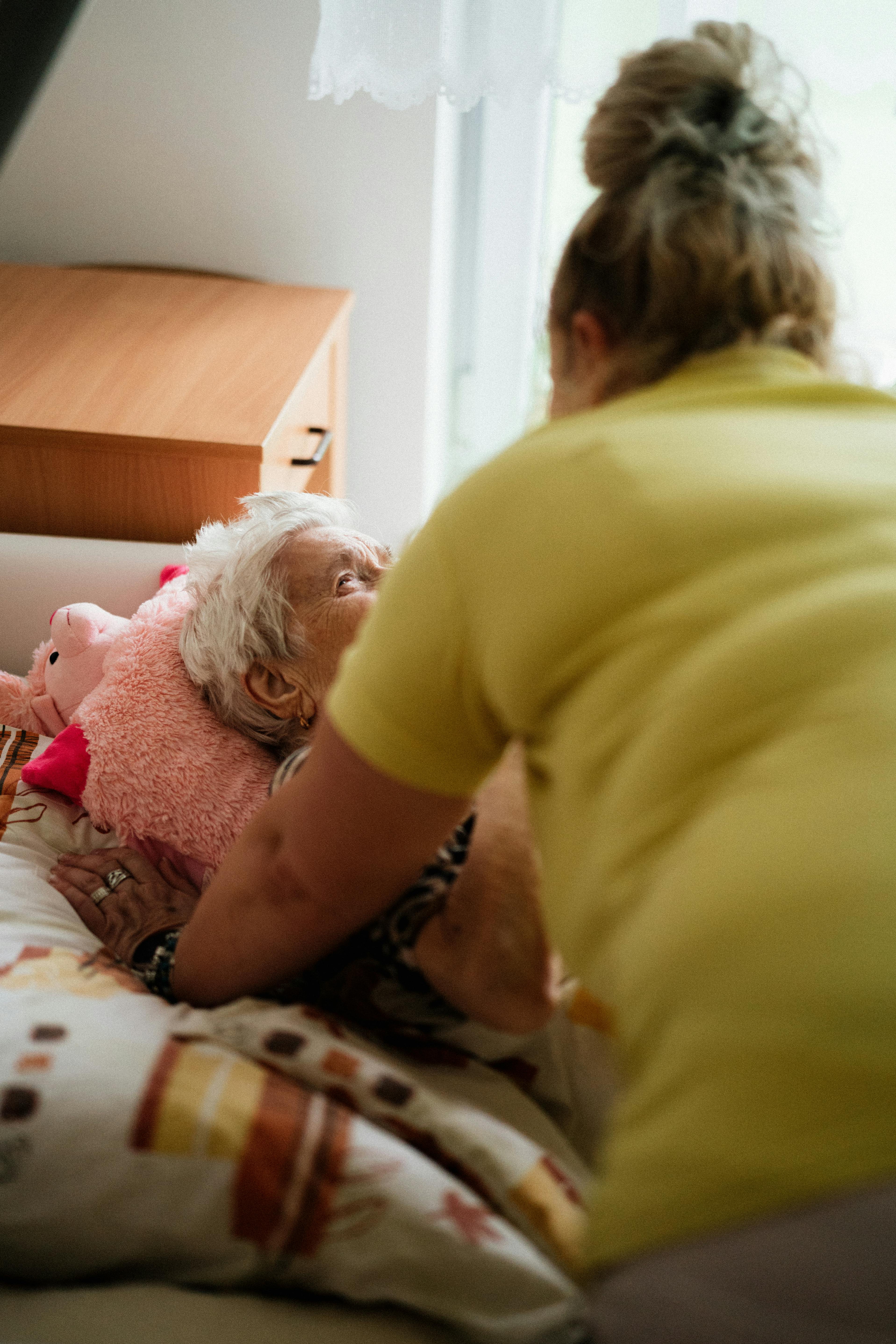
Reputable options like licensed home care prioritize safety, dignity, and individualized support. Consistency and trust are key; long-term relationships between seniors and caregivers foster stability, emotional comfort, and dependable oversight for families.
Professional Caregivers as Part of the Safety Plan
Professional caregivers are a cornerstone of a safe home environment for seniors. Experienced caregivers provide more than assistance with daily tasks; they support mobility, reinforce cognitive function, encourage social engagement, and help seniors maintain independence. By offering personalized guidance, caregivers ensure that routines are followed, risks are minimized, and seniors feel secure in their surroundings.
Engaging skilled caregivers and trusted services like senior helpers adds another layer of protection and consistency. These professionals bring training, experience, and empathy to every interaction, creating a supportive environment where seniors can thrive while families gain peace of mind.
A Holistic Approach to Safe Aging at Home
Creating a safe home for seniors is about more than grab bars or emergency alerts—it requires thoughtful attention to the environment, consistent daily routines, careful supervision, and professional, trained caregivers. Early planning and long-term, licensed in-home care help seniors maintain independence, reduce the risk of accidents, and preserve cognitive and emotional well-being.
Families can take comfort knowing that with the right guidance and support, their loved ones can age safely and comfortably in the homes they cherish. Partnering with experienced professionals ensures that every adjustment, routine, and caregiving strategy is tailored to the individual’s needs.

Live Easy Home Care offers trusted, compassionate support, helping families design a home that balances safety, dignity, and peace of mind.
For personalized guidance on creating a safe and supportive home for your loved one, contact Live Easy Home Care today. Call 201-735-2202 to speak with our experienced care team.