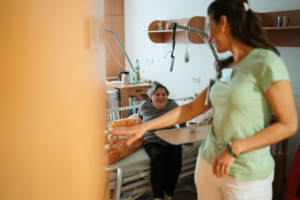

Caring for a loved one with dementia brings daily challenges, but it also presents opportunities to create stability, safety, and meaningful moments. For many families in Bergen County, home-based dementia care has become the preferred option—one that allows seniors to remain in familiar surroundings while receiving specialized support from trained professionals.
Unlike institutional settings, home-based dementia care is centered on familiarity and routine. It adapts to each person’s pace and preferences, emphasizing comfort, consistency, and dignity. The home environment not only reduces confusion and anxiety but also gives families the reassurance that their loved one is receiving compassionate, one-on-one attention.
With services like in-home memory care and specialized in-home care, families can help their loved ones live safer, more fulfilling lives, without the disruption or detachment that often comes from facility placement.
Understanding Dementia and Its Impact on Daily Life
Dementia is more than memory loss; it’s a progressive condition that affects thinking, behavior, and the ability to perform daily tasks. According to the Alzheimer’s Association, over 6 million Americans live with Alzheimer’s or related dementia, and that number continues to grow each year.
For families, the impact extends beyond the individual. Spouses, children, and caregivers often struggle to balance safety, supervision, and emotional connection. The unpredictable nature of dementia, wandering, agitation, or sudden confusion can make home life feel uncertain.
That’s where structured home care becomes essential. Professional caregivers use proven strategies to create predictable routines, manage challenging behaviors, and help seniors remain as independent as possible.
Why Home Is the Best Place for Dementia Care
Familiarity is a powerful stabilizer for those with cognitive decline. The layout of a home, the smell of familiar meals, or the sound of a favorite radio station can all trigger positive memories and reduce stress.
In an assisted living or memory care facility, seniors must adapt to new environments and schedules, something that can cause disorientation and emotional distress. By contrast, in-home memory care and similar services allow seniors to stay surrounded by comfort and familiarity while receiving expert guidance and supervision.
Home-based dementia care also allows for personal touches, family photos, pets, and familiar furniture, which can provide emotional grounding. These small but meaningful details often lead to better cooperation, stronger communication, and reduced anxiety for both the senior and the family.
The Role of Professional Caregivers
Professional caregivers play an essential role in the success of home-based dementia care. Through specialized training, they understand how to manage symptoms, communicate clearly, and create a calm, reassuring environment.
Families working with experienced caregivers benefit from having someone who not only assists with daily activities but also recognizes subtle behavioral changes that may indicate health concerns.

These caregivers are often part of licensed agencies like home care agencies, which ensure that every aide meets professional standards for safety, compassion, and medical awareness. They can assist with medication reminders, mobility support, hygiene, and meal preparation—all while keeping the focus on emotional well-being and routine.
For many families, the presence of a caregiver brings peace of mind. They know that their loved one is being watched over by someone who truly understands dementia’s challenges and can respond with patience and skill.
Structured Routines: The Foundation of Dementia Care
Routine is one of the most powerful tools in managing dementia symptoms. Consistency helps minimize confusion and anxiety by providing predictability. A structured day also helps reduce agitation, especially during “sun downing” hours when confusion often intensifies.
In-home care services, caregivers work with families to design schedules that mirror a loved one’s natural rhythms. Activities such as morning walks, afternoon rest, or favorite hobbies are maintained at consistent times.
These routines support both emotional and physical stability. For example, mealtimes and medication schedules stay aligned, reducing the risk of health complications. By repeating familiar patterns, caregivers reinforce a sense of normalcy, something that’s vital in dementia care.
Personalized Engagement: Keeping the Mind Active
Mental stimulation is another cornerstone of effective dementia care. Activities such as puzzles, music therapy, reading aloud, or simple art projects can improve focus, memory recall, and mood.
Programs like senior care assistance at home often incorporate personalized engagement techniques, listening to familiar songs, revisiting family stories, or cooking traditional meals. These activities evoke positive emotions and maintain a sense of identity.
In in-home memory care, caregivers also adapt tasks to match the senior’s abilities. Even small victories, such as folding laundry or watering plants, foster purpose and accomplishment.
Engagement is not just about keeping busy; it’s about connecting emotionally. By involving seniors in meaningful activities, caregivers nurture self-worth and help maintain the person’s unique personality, even as memory fades.
Safety Strategies for Dementia Care at Home
Safety is a top priority for families managing dementia. Wandering, falls, and confusion can lead to accidents if the home is not properly adapted.
Professional caregivers from home care agencies implement preventive strategies to make homes secure. These may include motion sensors, door alarms, grab bars, and simplified layouts to reduce tripping hazards.
Certified home health aides are trained to monitor for signs of fatigue, dehydration, or medication side effects that may increase confusion or risk. In addition, 24-hour in-home care ensures someone is always present to provide immediate support during nighttime disorientation or emergencies.
With professional oversight, families can balance independence with safety, allowing loved ones to move freely while minimizing risks.

Emotional Support for Families
Caring for someone with dementia is emotionally demanding. Families often experience feelings of grief, frustration, or guilt. Having professional support through affordable senior care or home care support helps alleviate that burden.
Home caregivers not only assist seniors but also educate families on what to expect, how to communicate effectively, and how to respond to behavioral changes. They become part of the family’s support system, offering reassurance and guidance during challenging moments.
Some agencies also assist with long-term care insurance planning, helping families sustain quality care without financial strain. This makes professional care more accessible and consistent over time.
Veterans and Specialized Memory Care
Veterans living with dementia often face unique challenges, including PTSD or other service-related conditions. For them, veteran home care combines emotional respect with medical awareness.
Caregivers trained in specialized in-home care understand the nuances of these cases, offering compassionate care that honors both the veteran’s service and individuality.
By incorporating reminiscence therapy, music, and conversation about past experiences, caregivers help veterans maintain pride and connection while managing cognitive decline.
Why Home-Based Dementia Care Works Better
Unlike facilities, where routines are designed around staff schedules, home-based care adapts entirely to the individual. Seniors can wake up when they prefer, eat their favorite foods, and interact with familiar caregivers who understand their communication style.
This personalized care, combined with one-on-one attention, improves quality of life. It prevents the disorientation and stress often caused by frequent staff changes or institutional routines.
Families in Franklin Lakes, Ridgewood, and Mahwah who choose home care often report improved emotional stability and fewer behavioral outbursts. Simply put, when seniors feel safe and understood, they thrive.
Combining Dementia Care with Other Services
Dementia rarely occurs in isolation; many seniors also require help with mobility, medication management, or chronic health conditions. Comprehensive home agencies, such as top home care agencies, provide integrated solutions that combine memory support with physical assistance.
Services like affordable elderly care services and senior care services ensure that every need, from nutrition to hygiene, is met. This multi-level care helps prevent hospitalizations, maintain stability, and improve overall health outcomes.
Whether families choose live-in care for continuous support or part-time help through home care aid, the goal remains the same: to help loved ones stay safe, engaged, and comfortable at home.
The Power of Compassionate Connection
At the core of effective dementia care is empathy. The ability to connect with the person behind the symptoms is what transforms care giving from a task into a relationship.
Experienced caregivers understand that every senior has a unique story, personality, and way of communicating. Their patience, tone, and attentiveness often make the difference between frustration and comfort for the client.
These caregivers not only assist with health and safety, but they also preserve dignity and humanity. For families, this kind of connection brings relief, trust, and emotional peace.

Live Easy Home Care: Where Compassion Meets Commitment
At Live Easy Home Care, families find a trusted partner in providing safe, structured, and compassionate dementia care at home. Through services such as in-home memory care, 24-hour in-home care, and veterans home care in Bergen County, our team ensures that every senior receives the personalized attention they deserve.
With a focus on comfort, safety, and emotional connection, Live Easy Home Care helps families maintain stability and hope, even in the face of cognitive decline. Whether it’s managing memory loss or supporting overall well-being, our caregivers bring patience, professionalism, and heart to every home.
If your family is looking for reliable support for a loved one with dementia, contact us today. Together, they can create a plan that keeps your loved one safe, engaged, and cherished, right where they belong.