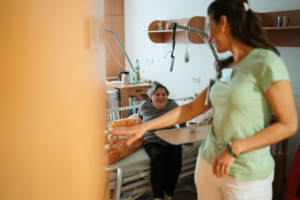
Early cognitive changes early allows families to take proactive steps while their loved one can remain at home. Early support focuses on preserving routines, reinforcing memory through consistent structure, and reducing stress, without immediately turning to institutional care. Staying in a familiar environment helps seniors feel secure, oriented, and more in control during the early stages of cognitive decline.
This is where the guidance of experienced caregivers becomes especially valuable. Trained professionals can provide gentle assistance, monitor evolving needs, and offer meaningful engagement while respecting independence. With the right in-home support in place, seniors can continue living safely at home while slowing functional decline and maintaining dignity for as long as possible.
What Early Cognitive Decline Looks Like at Home
Early cognitive decline often shows itself through small but consistent changes that families tend to notice first. A loved one may begin misplacing everyday items, repeating the same questions, or struggling to follow conversations they once enjoyed. Tasks such as managing medications, preparing meals, or keeping track of appointments may become increasingly challenging. Mood changes, including frustration, anxiety, or withdrawal, are also common as seniors become aware that something feels “off” but cannot always explain why.
As these changes progress, daily living can be affected in more serious ways. Forgetting to turn off the stove, missing doses of medication, or becoming disoriented in familiar spaces can create safety concerns. Confidence often declines alongside independence, leading seniors to avoid activities they once handled with ease. This loss of confidence can accelerate isolation and increase the risk of further cognitive and functional decline.
Many families delay taking action because the signs appear gradual or because they hope the issues will resolve on their own. Others worry that seeking help means giving up independence or moving their loved one into a facility. Unfortunately, waiting too long can limit effective intervention. Early home care support allows seniors to receive guidance, structure, and assistance at home, helping reduce risks, preserve daily routines, and slow the progression of functional decline before more intensive care becomes necessary.
Why Staying at Home Matters for Cognitive Health
For seniors experiencing early cognitive changes, remaining in a familiar home environment plays a critical role in emotional well-being and mental stability. Familiar surroundings, such as recognizable rooms, personal belongings, and neighborhood routines, help reinforce memory and orientation. This sense of familiarity can slow cognitive decline by reducing the mental strain that often comes with adapting to new or institutional settings.

Staying at home also helps minimize confusion, anxiety, and agitation, which are common when routines are disrupted. Sudden changes in the environment can intensify disorientation and lead to increased stress, particularly for individuals experiencing memory loss. In contrast, consistent surroundings provide comfort and predictability, helping seniors feel more secure and confident in their daily lives.
Routine and personalized care are equally important. Structured days that include regular meals, activities, and rest periods support cognitive function while promoting a sense of purpose. With home care services, caregivers can tailor support to match each individual’s habits, preferences, and evolving needs. This personalized approach is a key component of comprehensive senior care, ensuring seniors receive thoughtful, one-on-one support that preserves independence, dignity, and cognitive health for as long as possible.
How Early In-Home Support Slows Functional Decline
Early in-home support plays a vital role in helping seniors maintain independence while adapting to cognitive changes. Assistance with daily activities such as bathing, dressing, meal preparation, and light housekeeping allows individuals to continue participating in their routines without becoming overwhelmed. This balance of support and autonomy helps preserve confidence and reduces the risk of injury or frustration that can accelerate functional decline. With personal care assistance, seniors receive help that enhances safety while still encouraging independence.
Cognitive stimulation is another key benefit of early in-home care. Structured routines, meaningful conversation, and engaging activities help keep the mind active and reinforce memory. Simple daily interactions, such as reviewing schedules, discussing current events, or participating in familiar hobbies, provide mental engagement that supports cognitive function. For individuals experiencing memory loss, this consistent stimulation is an essential component of memory care for seniors.
In-home caregivers also provide practical health support that directly impacts long-term well-being. Medication reminders help ensure consistency and reduce health risks, while nutritious meal planning supports both physical and cognitive health. Mobility assistance encourages safe movement throughout the home, helping seniors stay active and reduce fall risks. Together, these services create a supportive environment that slows functional decline and allows seniors to remain comfortably at home for longer.

The Role of Trained and Certified Caregivers
Not all caregiving support is the same, especially when cognitive decline is involved. While general assistance may help with basic tasks, seniors experiencing memory loss benefit most from caregivers who are specifically trained to recognize cognitive changes and respond with patience, structure, and understanding. Dementia-trained professionals know how to communicate effectively, manage behavioral changes, and provide reassurance without increasing confusion or stress. Working with certified caregivers ensures seniors receive care that is informed, consistent, and appropriate for their evolving needs.
Trust and safety are equally critical in long-term home care. Thorough background checks, verified experience, and ongoing training are essential to protecting seniors and giving families peace of mind. Certified local home caregivers undergo careful screening and education to ensure they meet high professional standards, allowing families to feel confident about who is entering their home and caring for their loved one.
Professionalism matters most when care is ongoing. Choosing a licensed home care agency means working with an organization that follows regulatory guidelines, maintains accountability, and prioritizes quality care. This level of oversight supports continuity, reliability, and long-term success, key factors in helping seniors age safely and comfortably at home.
Dementia Care at Home vs. Facility-Based Care
Many families worry that home care may not be “enough” once dementia symptoms become noticeable. There is often a fear that without a facility setting, a loved one may not receive adequate supervision or support. In reality, early and properly structured home care can meet evolving needs while allowing seniors to remain in a familiar, comfortable environment. With professional dementia care services, families gain access to trained caregivers who understand how to manage memory loss safely and compassionately at home.
Personalized in-home care differs significantly from institutional settings. Facilities typically follow standardized schedules designed to serve many residents at once, which can feel overwhelming or impersonal for someone with cognitive decline. Home care, by contrast, is tailored to the individual; daily routines, preferences, and care approaches are built around what helps that person feel calm and supported. This individualized attention is the foundation of specialized in-home care, where care plans adapt as cognitive needs change.
Most importantly, home-based dementia care prioritizes dignity, continuity, and comfort. Seniors remain surrounded by familiar faces, possessions, and routines, which helps reduce confusion and anxiety. Care is delivered one-on-one by consistent caregivers who build trust over time. This continuity supports emotional well-being and allows seniors to age with respect and security, without the disruption that often comes with facility-based care.

When 24-Hour or Live-In Support Becomes Necessary
As cognitive decline progresses, some seniors may reach a point where occasional assistance is no longer sufficient. Signs that extended supervision may be needed include wandering, frequent nighttime confusion, repeated falls, missed medications, or difficulty recognizing familiar people or surroundings. These changes can place seniors at risk, especially when they are alone for long periods of time or during overnight hours.
Without continuous care, safety concerns increase significantly. Unsupervised seniors may forget to turn off appliances, leave doors unlocked, or attempt activities that are no longer safe. Emotional distress can also intensify, leading to agitation or anxiety during moments of confusion. Home care assistance provides consistent monitoring and support to help prevent these risks while maintaining a calm and reassuring presence in the home.
Choosing 24-hour in-home care does not mean giving up independence or comfort. Instead, it allows seniors to continue aging in place with round-the-clock support tailored to their needs. Caregivers assist throughout the day and night while preserving familiar routines and surroundings. This level of care offers families peace of mind, knowing their loved one is safe, supported, and able to remain at home even as care needs increase.
Localized Care Matters: Communities
When it comes to long-term home care, caregivers who understand the local community can make a significant difference in both quality of service and peace of mind. Familiarity with local neighborhoods, resources, and healthcare providers allows caregivers to navigate daily life efficiently, accompany seniors to appointments confidently, and respond quickly in case of emergencies. This local knowledge also fosters a sense of trust and comfort for both seniors and their families.
Personalized care is especially important for families in towns such as Mahwah and Upper Saddle River. Seniors benefit from senior care services, which are tailored to their routines, preferences, and cultural environment. Likewise, residents in Upper Saddle River can rely on senior care services for individualized attention that prioritizes dignity, safety, and emotional well-being.
Working with reputable home care agencies ensures families receive caregivers who are not only competent and certified but also deeply connected to the communities they serve. This local expertise helps maintain consistency, builds trust, and supports seniors in aging safely and comfortably within the homes and neighborhoods they know best.
Choosing the Right Home Care Partner
Selecting the right provider is crucial for families navigating early cognitive changes. Look for agencies with a proven track record, trained and certified caregivers, and services tailored to long-term needs. Red flags include high caregiver turnover, lack of clear care plans, or minimal experience with dementia care. Quality indicators include consistent staffing, personalized routines, and transparent communication.
Working with top home care agencies, families can access reliable home care services and trusted home health care services that prioritize safety, comfort, and continuity. Consistency and long-term commitment from caregivers help seniors maintain independence while receiving compassionate, professional support.

Early Support Protects Independence and Dignity
Acting early allows seniors to remain safely at home, slowing functional decline. Live Easy Home Care provides personalized, long-term care solutions. Speak with professionals today to ensure peace of mind and proactive cognitive support.
For compassionate, professional support that helps your loved one maintain independence at home, contact Live Easy Home Care today. Learn more or call 201-735-2202 to speak with our experienced team.