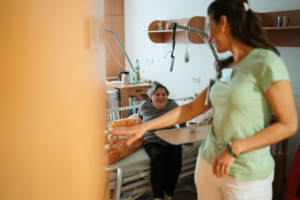

There’s a quiet reality in aging that often goes unnoticed: it’s not always the major medical events that shape daily life, but the small, repeated tasks that become harder over time. Preparing meals, getting dressed, and moving safely from one room to another; these are the moments where independence is either preserved or slowly lost.
While healthcare conversations tend to focus on diagnoses and treatments, what truly sustains quality of life is everyday support for seniors; the consistent, non-medical assistance that makes each day manageable, safe, and dignified. These services rarely make headlines, but they are the foundation of aging well at home. Here’s how they provide structure and predictability, which become increasingly important as routines begin to shift with age.
Is Your Loved One Getting the Daily Support They Truly Need?
Beyond medical care, seniors rely on everyday assistance, companionship, and routine support to live comfortably and confidently at home.
- Help with daily routines
- Meaningful companionship
- Safe, comfortable living
The Overlooked Side of Senior Care
Non-medical care often sits in the background of the caregiving conversation, yet it plays a central role in maintaining independence. According to research, functional limitations, such as difficulty with daily activities, are one of the strongest predictors of whether an older adult can continue living at home.
Tasks like bathing, cooking, housekeeping, and transportation are categorized as Activities of Daily Living (ADLs) and Instrumental Activities of Daily Living (IADLs). When these become challenging, seniors are at a higher risk of injury, malnutrition, and isolation. These limitations can also lead to a gradual decline in confidence, causing individuals to withdraw from routines they once managed independently.
This is where home care services step in; not to replace independence, but to reinforce it through structured daily assistance. By supporting these essential tasks, caregivers help seniors maintain control over their daily lives.

Meal Preparation: Nutrition as Daily Stability
Nutrition is one of the most critical yet overlooked aspects of senior health. Malnutrition affects up to 1 in 2 older adults, often due to difficulty cooking, grocery shopping, or maintaining an appetite.
Simple support with meal planning and preparation can significantly improve energy levels, immune function, and overall well-being. Having someone assist with grocery shopping, portioning meals, and ensuring balanced nutrition reduces both physical strain and health risks. It also helps maintain consistency, which is key for managing chronic conditions like diabetes or heart disease.
In-home health care services often incorporate meal support into daily routines, helping seniors maintain consistent and healthy eating habits without added stress. This daily stability contributes directly to long-term health outcomes.
Mobility Support: Preventing Falls Before They Happen
Mobility challenges are among the leading reasons seniors lose independence. One in four adults aged 65 and older suffers from falls each year, with many incidents occurring at home.
Non-medical mobility support, such as help with walking, transferring from bed to chair, or navigating stairs, can significantly reduce these risks. Preventive assistance is often more effective than reactive care after an injury has occurred. Even small interventions, like steadying support or reminders to move carefully, can make a meaningful difference.
Caregivers provide continuous supervision, ensuring that even routine movements are safer and more controlled. This consistent presence helps build confidence in daily movement.

Companionship: The Hidden Health Factor
Loneliness is increasingly recognized as a serious health risk. Social isolation is associated with a 50% increased risk of dementia and other serious health conditions.
For many seniors, especially those living alone, the absence of daily interaction can lead to depression, cognitive decline, and reduced motivation to engage in basic self-care. Emotional disengagement often happens gradually, making it difficult to detect early without consistent interaction.
This is where companion care services become essential. Regular conversation, shared activities, and emotional engagement provide more than comfort; they actively support mental and cognitive health. These interactions also help establish routine and structure in daily life.
Consistent social interactions improve mood, delay cognitive decline, and even reduce mortality risk among older adults. Companionship is not just supportive; it is preventative.
Personal Care: Maintaining Dignity in Daily Routines
Personal hygiene tasks of bathing, grooming, and dressing are deeply tied to dignity and self-esteem. When these tasks become difficult, seniors may avoid them altogether, leading to health complications and emotional distress.
Certified caregivers ensure that these essential routines are handled with respect and sensitivity. Assistance is tailored to individual comfort levels, preserving independence wherever possible while providing help where needed. This approach helps maintain a sense of control and privacy.

Memory Support in Everyday Life
Cognitive decline doesn’t only affect memory; it impacts daily functioning. Forgetting meals, medications, or appointments can quickly lead to serious health consequences.
Structured support systems like dementia care at home integrate non-medical assistance with cognitive awareness, helping seniors maintain stability in familiar environments. These services emphasize routine, repetition, and gentle guidance.
According to the Alzheimer’s Association, maintaining routine and familiarity is one of the most effective ways to reduce confusion and agitation in individuals with dementia. Small daily cues and consistent environments can significantly improve overall quality of life.
The Role of Caregivers in Daily Stability
Behind every effective home care system is a caregiver who understands not just the tasks, but the person. Consistent caregiver relationships tend to lead to better health outcomes and higher satisfaction among seniors.
Access to experienced caregivers ensures that support goes beyond checklists. Caregivers observe patterns, notice subtle changes, and adapt care as needs evolve. This level of attentiveness helps prevent complications before they escalate.

Long-Term Support That Adapts Over Time
Aging is not static, and care shouldn’t be either. Needs evolve, from occasional assistance to more structured, daily support.
Home care programs reflect a growing focus on adaptable care models that grow with the individual, rather than forcing sudden transitions into higher levels of care. This gradual adjustment helps reduce stress for both seniors and families.
These services offer flexible plans that adjust based on changing health conditions and personal preferences. This ensures continuity without disruption.
Why Non-Medical Care Matters More Than Ever
Seniors who receive consistent in-home support report higher levels of satisfaction, independence, and emotional well-being compared to those in institutional settings.
Research has noted a shift toward home-based care, driven by both preference and necessity, as families seek more personalized and adaptable solutions for aging loved ones. This trend continues to grow as awareness increases.
Non-medical care plays a central role in this shift, not as a supplement to healthcare, but as a core component of daily living. It bridges the gap between medical treatment and real-life functionality.
Reliable Everyday Support for Seniors at Home
Ensure your loved one enjoys comfort, independence, and dignity with compassionate caregivers providing essential daily assistance.
- Personalized daily care
- Trusted caregivers
- Peace of mind for families
Flexibility in Non-Medical Care
For those requiring more consistent oversight, 24-hour home care provides scalable solutions that balance safety and cost. Families can choose care models that align with both immediate needs and long-term planning.

Independence is often defined by the smallest, most consistent moments: preparing a meal, moving safely through the home, or simply having someone to talk to at the end of the day. When those moments are supported with care and consistency, seniors are able to maintain not just their routines, but their confidence, dignity, and sense of control. That’s the lasting impact of everyday support for seniors; it quietly sustains the life they already know and value.
Delivering that kind of support requires more than occasional help. It involves dependable, personalized care that adapts to changing needs.
Live Easy Home Care provides this level of thoughtful, non-medical support through customized care plans designed around each individual’s lifestyle and preferences. With services ranging from daily assistance to live-in care services and ongoing home care services, care is structured to evolve alongside the person, not replace their independence. As a trusted home care agency in Bergen County, our focus remains on creating stability, familiarity, and meaningful day-to-day comfort.
If maintaining independence at home matters, the right support makes all the difference. Contact us today to explore personalized care options that bring comfort, safety, and consistency into everyday life.