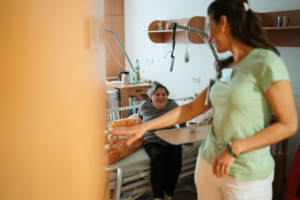

Juggling a career, your own family, and the growing needs of a parent with Alzheimer’s can feel like an impossible balancing act. You want to provide the best possible support, but the emotional and physical demands are immense. You’re looking for more than just a helper; you need a true partner in care who can lift some of that weight from your shoulders. An Alzheimer’s home care specialist is a professional who steps in with the specific training and compassion required to manage the complexities of memory care. They understand how to create a calm, safe environment, allowing your loved one to remain comfortably at home while giving you the peace of mind you desperately need.
Key Takeaways
- Specialized training is the key difference: An Alzheimer’s specialist has specific skills to manage challenging behaviors, create calming routines, and provide meaningful engagement, which goes far beyond the scope of general caregiving.
- Go beyond the resume with scenario-based questions: To find the right fit, ask potential caregivers how they would handle specific situations like agitation or confusion. Their answers will reveal their true experience, patience, and care philosophy.
- In-home care preserves familiarity and supports the family: Keeping your loved one at home maintains their sense of security and routine, which is crucial for dementia care, while also providing your family with essential respite and peace of mind.
What Is an Alzheimer’s Home Care Specialist?
When you’re looking for support for a loved one with Alzheimer’s, you quickly realize that not all care is created equal. An Alzheimer’s home care specialist is a professional caregiver who has specific training and experience in supporting individuals living with dementia. Unlike a general caregiver, their expertise is focused on the unique physical, emotional, and cognitive challenges that come with memory loss. Their primary goal is to help your family member live safely, comfortably, and with dignity in their own home for as long as possible.
These specialists understand the progression of the disease and are equipped to handle its complexities. They know how to create a structured, calming routine that can reduce anxiety and confusion. They are more than just a helping hand; they are a knowledgeable partner in your loved one’s care journey. Many professional caregivers have a deep knowledge and skillset in Alzheimer’s and dementia care, allowing them to provide a level of support that goes far beyond basic daily assistance. They anticipate needs, adapt to changing moods, and create moments of connection and joy. At Live Easy Home Care, our certified specialists are dedicated to providing compassionate and expert Dementia & Alzheimer’s Care, giving your family the peace of mind you deserve.
The Specialized Training That Sets Them Apart
The key difference between a general caregiver and an Alzheimer’s specialist lies in their training. A specialist’s education goes beyond standard caregiving certifications to cover topics specific to dementia. This includes learning effective communication strategies for individuals who may have trouble expressing themselves, techniques for managing challenging behaviors like agitation or sundowning, and methods for creating a safe home environment to prevent wandering or falls. They are also trained to lead activities that stimulate cognitive function and provide meaningful engagement. It’s a common misconception that most personal caregivers are experienced in Alzheimer’s and dementia care, but this highly specialized role requires a distinct set of skills to truly meet your loved one’s needs.
How They Differ from General Caregivers
While a general caregiver provides wonderful support with daily tasks like meal preparation, transportation, and companionship, an Alzheimer’s specialist performs these duties through a dementia-informed lens. For example, instead of asking an open-ended question like, “What would you like to wear today?” which can be overwhelming, a specialist might present two simple choices. They understand how to simplify tasks, offer gentle redirection, and validate feelings to maintain a sense of calm and security. Some people believe that home care can’t effectively support someone with dementia, but in reality, a specialist provides specialized care that is tailored to the unique needs of the individual, making home the best possible place for them to be.
What Services Can You Expect from an Alzheimer’s Specialist?
When you bring an Alzheimer’s home care specialist into your loved one’s life, you’re getting more than just a helper—you’re gaining a partner trained to handle the specific complexities of memory care. Their support is designed to adapt as needs change, focusing on preserving dignity, ensuring safety, and providing a stable, comforting presence. From managing daily routines to offering specialized companionship, their services create a supportive environment that helps your family member continue to live safely and comfortably at home.
Help with Personal Care and Daily Routines
One of the primary roles of an Alzheimer’s specialist is to provide hands-on assistance with the activities of daily living. This includes sensitive support with personal tasks like bathing, dressing, and grooming, which can become challenging. They also help maintain a consistent and calming daily rhythm by preparing nutritious meals, offering medication reminders, and providing transportation to appointments. A structured routine can reduce anxiety and confusion, and a specialist is trained to establish and maintain this sense of normalcy with patience and compassion, making each day more predictable and less stressful.
Cognitive Stimulation and Meaningful Engagement
A key part of quality dementia care is providing meaningful engagement that supports cognitive function. A specialist does more than just sit with your loved one; they actively participate in activities that bring joy and connection. This might involve looking through old photo albums, listening to favorite music, playing simple card games, or working on a puzzle together. This kind of companion care is tailored to your loved one’s interests and abilities, helping to keep their mind active and spirits high while fostering a genuine bond.
Managing Behaviors and Ensuring a Safe Environment
Navigating the behavioral changes associated with Alzheimer’s requires specific training and a calm demeanor. Specialists are equipped to de-escalate situations involving agitation, confusion, or anxiety, redirecting your loved one with gentle and effective techniques. They are also skilled in creating a safe home environment to minimize risks. This includes implementing strategies for injury and fall prevention and taking precautions to prevent wandering, giving you peace of mind that your family member is secure.
Medication and Health Support
While a non-medical caregiver doesn’t administer medications, they play a crucial role in health management. A specialist ensures your loved one takes their prescribed medications at the right times, preventing missed or incorrect doses. They are also your eyes and ears, trained to observe and report any changes in physical or cognitive health to you and the broader medical team. This consistent monitoring is vital for proactive dementia and Alzheimer’s care, ensuring that any emerging health concerns are addressed quickly.
How to Find a Qualified Alzheimer’s Home Care Specialist
Finding the right person to care for a loved one with Alzheimer’s can feel like a monumental task, but you don’t have to go it alone. The key is to focus your search on professionals who have specific experience and training in memory care. A general caregiver provides wonderful support, but a specialist understands the unique challenges of dementia, from managing behavioral changes to creating a safe and calming environment. By knowing what to look for and where to search, you can find a compassionate and skilled professional who will provide the best possible care for your family member and bring you peace of mind.
Look for These Key Qualifications and Certifications
When you start your search, look beyond basic caregiving credentials. A qualified specialist should have formal training specifically in dementia and Alzheimer’s care. In New Jersey, caregivers are often Certified Home Health Aides (CHHAs), but you’ll want to ask about any additional certifications or continuing education they’ve completed in memory care. This specialized knowledge equips them to handle situations unique to dementia, like sundowning or communication difficulties. Don’t underestimate the value of hands-on experience, either. A caregiver who has worked extensively with individuals with Alzheimer’s brings a level of understanding and patience that can only be learned through practice. Ask agencies about the specific background of their memory care specialists.
Where to Begin Your Search for Reputable Agencies
Working with a reputable home care agency is often the safest and most reliable path. Agencies handle the vetting, background checks, insurance, and payroll, which lifts a significant burden from your shoulders. Start by looking for agencies that are licensed, bonded, and insured in New Jersey. You can ask for recommendations from your loved one’s doctor, a geriatric care manager, or friends who have been in a similar situation. Online reviews can also offer insight, but be sure to read a variety to get a balanced view. A professional agency will be transparent about their hiring process and the qualifications of their home caregivers, ensuring they only employ trusted and certified professionals.
How to Vet an Agency and Its Caregivers
Once you have a shortlist of agencies, it’s time to interview them. Prepare a list of questions focused on their memory care services. Ask about their specific training protocols for Alzheimer’s care, how they match caregivers to clients, and what kind of ongoing supervision and support they provide. A good agency will welcome your questions and offer a free in-home consultation to assess your loved one’s needs. It’s also essential that you have the opportunity to meet the proposed caregiver before services begin. This meeting is crucial for ensuring a good personality fit, which is vital for building a trusting and comfortable relationship, especially for clients needing 24/7 around-the-clock care.
Key Questions to Ask a Potential Caregiver
Finding the right caregiver is about more than just checking boxes on a list of qualifications. This person will become a trusted partner in your loved one’s life, so ensuring they are a good fit is essential for everyone’s peace of mind. The interview process is your opportunity to understand not only their skills and experience but also their personality, compassion, and approach to care.
Think of this conversation as the first step in building a supportive team. You’re looking for someone who can handle the practical tasks while also providing the emotional support and companionship your family member deserves. Asking thoughtful, specific questions will help you find a professional who is not only competent but also a genuinely good match. To help you feel prepared, we’ve outlined the key areas to cover, from their specialized training to their personal care philosophy. This will help you confidently choose a specialist for your loved one’s dementia and Alzheimer’s care.
Inquire About Their Alzheimer’s Training and Experience
General caregiving experience is valuable, but supporting someone with Alzheimer’s requires a distinct set of skills. Start by asking directly about their background in memory care. You can ask, “What specific training have you completed for Alzheimer’s and dementia care?” or “Can you tell me about your hands-on experience working with individuals at different stages of the disease?”
A well-trained caregiver will understand how to communicate effectively, manage behavioral changes, and create a safe, structured environment. Their answers should give you confidence that they have the knowledge to provide not just assistance, but truly specialized support. This is why working with an agency that vets its home caregivers for these specific qualifications is so important.
Understand Their Approach to Difficult Situations
Alzheimer’s can cause moments of confusion, anxiety, or agitation. It’s crucial to know how a potential caregiver will respond when things get tough. Instead of asking a general question, try presenting a scenario: “What would you do if my father becomes distressed in the evening and insists he needs to go home?” or “How do you typically handle resistance to daily activities like bathing?”
Listen for answers that emphasize patience, empathy, and redirection. A great caregiver won’t meet frustration with force but will instead use calming techniques and a reassuring tone to de-escalate the situation. Their goal should always be to maintain your loved one’s dignity and sense of security, even during challenging moments.
Discuss Their Communication Style and Care Philosophy
A strong, positive relationship is the foundation of quality care. This is a great time to get a sense of the caregiver’s personality and how they connect with clients. Ask questions like, “How do you go about building trust with someone new?” and “What’s your philosophy on promoting independence while ensuring safety?”
You should also clarify how they will communicate with you and the rest of the family. Will they provide daily updates or keep a log of activities and any concerns? The right caregiver will see themselves as a partner, offering not just physical assistance but also meaningful companion care that enriches your loved one’s daily life.
Clarify Availability and Scheduling
Once you feel confident in their skills and approach, it’s time to discuss logistics. Be clear about your family’s needs, whether you require part-time help, full-time assistance, or 24/7 around-the-clock care. Ask about their availability and how they handle scheduling conflicts or the need for a substitute caregiver.
If you’re working with an agency, this is often much simpler, as they manage scheduling and provide backup care to ensure there are never any gaps in support. Confirming that their schedule aligns with your needs from the start prevents future stress and ensures your loved one receives consistent, reliable care exactly when they need it.
Understanding the Cost of Specialized Alzheimer’s Care
When you’re focused on finding the best possible care for a loved one with Alzheimer’s, thinking about the financial side can feel overwhelming. It’s a significant investment, but understanding the costs and how they break down can bring clarity and confidence to your decisions. The price of specialized care reflects the caregiver’s advanced training, the one-on-one attention your family member receives, and the comprehensive support that ensures their safety and well-being at home. This isn’t just about having someone present; it’s about having a professional who can manage complex behaviors, provide cognitive engagement, and create a secure environment that feels like home.
The cost of in-home Alzheimer’s care is often compared to other options like assisted living or nursing homes. While those facilities have their place, the value of keeping a loved one in a familiar setting is immeasurable for someone with dementia. It reduces confusion, anxiety, and agitation. The one-on-one care model also means your family member receives undivided attention, something that’s simply not possible in a group setting. Several factors influence the final cost, including your loved one’s specific needs, your location in New Jersey, and the type of care schedule you choose. By exploring the different pricing structures and payment options available, you can create a sustainable plan that provides both exceptional care and peace of mind for your entire family.
What to Expect for Rates and Pricing
The cost of specialized Alzheimer’s care varies because it’s tailored to each individual. Rates are typically based on the level of assistance required. For example, someone in the early stages may need companionship and help with daily tasks, while a person with advanced Alzheimer’s might require 24/7 supervision and personal care. Your geographic location also plays a role, with costs differing across Bergen, Morris, and Essex counties. When you consult with an agency, they will conduct a thorough assessment to create a personalized care plan. This plan outlines the specific services and corresponding rates, so you have a clear and transparent understanding of the investment from the start.
Exploring Payment Options and Long-Term Care Insurance
Most families cover the cost of in-home care through private funds or a long-term care insurance policy. These policies are specifically designed to help pay for services like personal care and supervision that are not typically covered by standard health insurance. It’s a good idea to review your loved one’s policy to understand the benefits and coverage limits. Additionally, if your family member is a veteran, they may be eligible for benefits that can help offset the cost of care. Programs like the VA Aid and Attendance pension can provide crucial financial assistance. While Medicare generally doesn’t cover non-medical, long-term home care, it may cover some skilled care if prescribed by a doctor for a limited time.
Comparing the Costs of Live-In vs. Hourly Care
Choosing between hourly and live-in care depends entirely on your family’s needs. Hourly care offers flexibility if you need support for just a few hours a day or on specific days of the week. However, as Alzheimer’s progresses, the need for constant supervision often becomes essential. In these situations, 24/7 around-the-clock care is the safest option. While the daily rate for live-in care is higher, it can be more cost-effective than booking 24 individual hours of care. More importantly, it provides uninterrupted, consistent support from a dedicated caregiver, ensuring your loved one is never alone and can remain safely and comfortably in their own home.
The Benefits of Choosing Specialized In-Home Care
When you’re exploring care options for a loved one with Alzheimer’s or dementia, the decision can feel overwhelming. You want to do what’s best for them, ensuring they are safe, comfortable, and treated with dignity. While facilities are an option, bringing a specialist into the home offers a unique set of benefits that center on your loved one’s well-being and your family’s peace of mind. Choosing specialized in-home care isn’t just about managing a diagnosis; it’s about creating a supportive environment where your family member can continue to live a meaningful life.
This approach moves beyond basic supervision. A trained Alzheimer’s specialist provides dedicated, one-on-one support that is tailored to the individual’s specific needs, personality, and stage of the disease. They understand how to create a sense of calm, engage in appropriate activities, and handle challenging behaviors with compassion and expertise. For families, this means you can rest assured that your loved one is receiving professional, attentive care in the place they know and love best. It allows you to step back from the role of primary caregiver and simply be a family again.
Maintaining Comfort and Routine at Home
For someone with Alzheimer’s or dementia, the world can often feel confusing and unpredictable. The familiarity of home—their favorite chair, the view from the window, the photos on the wall—provides an invaluable sense of security and comfort. A predictable daily routine can significantly reduce agitation and anxiety. Specialized Dementia & Alzheimer’s Care at home allows your loved one to maintain their established rhythms in a safe and recognizable environment. This consistency is crucial for their emotional well-being, helping them feel grounded and secure even as their cognitive abilities change. Staying at home means they are surrounded by a lifetime of memories, which can be a powerful source of comfort.
Providing Personalized, One-on-One Attention
In a residential facility, caregivers are often responsible for multiple residents at once. With in-home care, your loved one receives the undivided attention of a dedicated professional. This one-on-one relationship allows our home caregivers to truly understand your family member’s personal history, preferences, and what makes them unique. They learn what soothes them, what activities they enjoy, and how to best communicate with them. This deep understanding leads to a level of personalized care that is simply not possible in a group setting. It fosters a genuine bond built on trust and companionship, which is essential for your loved one’s quality of life.
Offering Support and Peace of Mind for Your Family
Caring for a family member with Alzheimer’s is a demanding role that can take a significant emotional, mental, and physical toll. Trying to juggle your own career, family, and personal life with caregiving responsibilities can lead to burnout. Bringing in a specialist provides essential respite and support. Knowing that a trained and compassionate professional is there to manage daily care, especially with 24/7 around-the-clock care, gives you invaluable peace of mind. It allows you to shift your focus from the tasks of caregiving to simply enjoying quality time with your loved one, preserving your relationship and well-being.
Prioritizing Safety and Well-Being
A home that was once perfectly safe can present new risks for someone with cognitive decline. Alzheimer’s specialists are trained to create a secure living environment. They can identify potential hazards and implement strategies for injury and fall prevention, which is a common concern. They also know how to manage challenging behaviors like wandering or agitation with patience and skill, ensuring your loved one is safe without feeling restricted. This proactive approach to safety means your family member can maintain as much independence as possible while being protected from harm, allowing them to live safely and comfortably at home.
How to Get Started with Live Easy Home Care
Taking the first step toward finding professional care can feel overwhelming, but it doesn’t have to be complicated. We’ve designed our process to be clear, supportive, and centered around your family’s unique needs from the very beginning. Our goal is to give you confidence and peace of mind, knowing your loved one is in compassionate, capable hands. It all starts with a simple conversation where we listen to your story and begin building a plan that works for you.
Your Initial Consultation and Custom Care Plan
Everything begins with a conversation. During our initial, no-obligation consultation, we take the time to understand your loved one’s specific situation—their daily routines, their personality, their health needs, and what brings them joy. If your family member has been diagnosed with dementia or Alzheimer’s, we can discuss how an in-home specialist is often the best option for providing consistent, knowledgeable support. Based on this discussion, we create a completely customized care plan. This isn’t a one-size-fits-all template; it’s a detailed guide tailored to your loved one, ensuring they receive the exact dementia and Alzheimer’s care they need to live safely and comfortably at home.
Our Process for Matching You with a Certified Specialist
Finding the right person is about more than just qualifications; it’s about connection. We believe the best care comes from a caregiver who is not only highly skilled but also a compatible companion for your loved one. Our matching process is thoughtful and deliberate. We introduce you to our certified local caregivers who have specific training and professional experience in memory care. We consider everything from skill set to personality to ensure we find someone who can build a trusting, positive relationship. You and your family are involved every step of the way, so you can feel completely comfortable with the specialist we recommend.
Ongoing Support and Coordination for Your Family
Our commitment to your family doesn’t end once a caregiver is in place. We provide continuous support and open communication to ensure everything runs smoothly. There’s a common misconception that home care can’t fully support individuals with dementia, but with the right team, it absolutely can. We manage all scheduling and coordination, and our team is always available to answer questions or adjust the care plan as your loved one’s needs evolve. This partnership provides invaluable peace of mind, especially for family members juggling other responsibilities. With our around-the-clock care, you can rest assured that your loved one is always safe and supported.
Related Articles
- Home Care for Alzheimer’s Dementia: What to Expect
- Your Guide to Alzheimer’s Home Care in New Jersey
- What to Expect from Alzheimer’s Care Services at Home – Live Easy Cares
- The Role of Alzheimer’s Caregivers: Understanding Their Impact on Senior Health – Live Easy Cares
Frequently Asked Questions
My parent is very resistant to the idea of having a caregiver. How do you handle that? This is a very common and understandable concern. A trained Alzheimer’s specialist knows that building trust takes time and patience. They are skilled at introducing themselves into the home environment gently, often starting with short visits focused on companionship, like sharing a cup of tea or discussing a favorite hobby. Our matching process is also key; we focus on finding a caregiver with a compatible personality who can connect with your loved one on a personal level, making the transition feel less like an intrusion and more like a new friendship.
What happens if the caregiver we choose isn’t a good personality fit? Finding the right connection is the most important part of successful care, and we understand that it doesn’t always happen on the first try. This is one of the primary benefits of working with an agency like ours. If you or your loved one feel the match isn’t quite right, you simply let us know. We will handle the situation professionally and discreetly, and immediately begin the process of finding a different specialist who is a better fit, ensuring there is no disruption in care.
At what point is home care no longer the right option for someone with Alzheimer’s? Specialized home care is designed to adapt to the changing needs of Alzheimer’s, allowing most individuals to remain at home for the duration of their lives. The primary instance where a different setting might be needed is if your loved one develops complex medical needs that require round-the-clock skilled nursing, such as ventilators or extensive wound care. For the personal, safety, and companionship support required for dementia, in-home care remains the most personal and effective option.
What is the difference between 24/7 care and live-in care? This is a great question, as the terms are often used interchangeably but mean different things. Live-in care typically involves one primary caregiver who resides in the home and is given an 8-hour break for sleep. In contrast, 24/7 around-the-clock care involves a team of caregivers who work in shifts, ensuring someone is always awake, alert, and available to assist your loved one at any hour of the day or night. For individuals with advanced dementia who may wander or need assistance overnight, 24/7 care provides the highest level of security.
How quickly can we arrange for a specialist to start providing care? We understand that the need for care can arise suddenly. Our process is designed to be both thorough and efficient. Once you contact us for an initial consultation, we can typically complete an in-home assessment and create a custom care plan within a day or two. From there, we begin our matching process to find the ideal specialist for your family. In many cases, we can have a qualified caregiver in place and ready to start within just a few days.