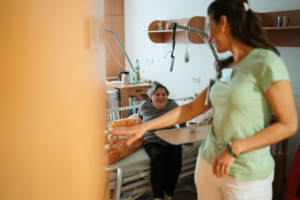

As people age, the question of where and how they want to receive care becomes increasingly significant. Many seniors prefer to remain in the comfort of their own homes, valuing independence, familiarity, and emotional well-being. This growing trend reflects a shift from institutional care toward home-based solutions, with many seniors choosing home care over facilities.
Home care allows seniors to receive professional support without leaving the environment they know and love. Unlike nursing homes or assisted living centers, home care can be tailored to individual routines, preferences, and health needs. Seniors who age in place benefit not only from practical assistance but also from the emotional comfort of living in a familiar, personal space. In this blog, we explore the reasons why seniors are increasingly opting for home care, the benefits it provides, and how it supports both physical and emotional well-being.
Understanding Aging in Place
Aging in place is the concept of living safely and comfortably in one’s own home as one ages. It emphasizes autonomy, familiarity, and personalized care. For seniors, their home is more than just a residence; it is a source of memories, independence, and security.
Relocating to a facility can be stressful, even when the facility provides high-quality care. Seniors often experience anxiety about losing privacy, personal control, and routine. By choosing home care over facilities, seniors can maintain continuity in daily life, preserving emotional stability and self-esteem. Home care services provide flexibility, allowing seniors to receive support in bathing, meal preparation, medication management, and mobility assistance, all within a familiar setting.
Emotional Importance of Home-Based Care
Emotional well-being is a central factor in aging in place. Seniors who remain at home experience greater emotional stability than those who transition to facilities, where routines, staff turnover, and unfamiliar surroundings can create stress.
Professional home care addresses these emotional needs by offering companionship, reassurance, and social engagement. Seniors enjoy interactions with caregivers, remain connected to family and friends, and participate in community activities. This emotional support fosters mental health, reduces anxiety and depression, and enhances overall quality of life.

Key Reasons Seniors Are Choosing Home Care Over Facilities
Independence and Autonomy
A primary reason many seniors prefer home care is the preservation of independence. Facilities often have structured schedules, limiting personal choice regarding meals, activities, and daily routines. Home care, in contrast, allows seniors to make their own decisions while still receiving support when needed.
Maintaining autonomy has psychological benefits, helping seniors feel empowered and confident. By choosing home care over facilities, seniors continue to actively participate in life decisions, which strengthens their sense of purpose and overall well-being.
Personalized One-on-One Care
Another significant advantage of home care is the personalized attention seniors receive. In facilities, staff often attend to multiple residents simultaneously, which can reduce the quality of individualized care. Home care provides one-on-one attention, ensuring that seniors’ unique needs are met.
Whether it involves help with bathing, dressing, mobility, or medical routines, personalized care enhances safety, reduces stress, and allows for a more comfortable and dignified experience. Seniors benefit from caregivers who understand their habits, preferences, and emotional needs, creating a supportive environment tailored specifically to them.
Familiar Surroundings and Comfort
The home environment itself plays a crucial role in emotional and cognitive well-being. Seniors are more relaxed and confident in surroundings they know well, filled with personal belongings, family photos, and familiar routines.
Remaining at home can reduce anxiety and confusion, particularly for seniors with memory challenges or cognitive decline. Familiar spaces encourage independence, provide emotional stability, and improve overall quality of life. By choosing home care over facilities, seniors preserve the environment that promotes both comfort and mental clarity.
Flexibility and Customization
Home care offers flexibility that facilities cannot always match. Seniors can receive care ranging from a few hours a day to 24-hour in-home support, depending on their needs. Schedules can be adjusted as health requirements change, providing a scalable solution for long-term support.
This customization ensures that seniors receive assistance when necessary without unnecessary interventions, preserving independence and dignity. Care plans can be tailored to include medical support, social engagement, and cognitive activities, creating a holistic approach that addresses both physical and emotional well-being.
Stay Independent with Senior Care Bergen County
Discover how Senior Care Bergen County helps seniors age comfortably at home with personalized support, companionship, and daily assistance, so your loved one can enjoy independence, familiarity, and peace of mind without moving to a facility.
- Senior Care Bergen County
- Aging in Place Home Care
- In-Home Care for Seniors
Stronger Family Connections
Staying at home makes it easier for families to remain actively involved in a senior’s care. Regular visits, participation in daily routines, and communication with caregivers strengthen relationships and provide peace of mind for loved ones.
In facilities, restricted visiting hours or distance from family can make maintaining these connections more difficult. Home care encourages family engagement while ensuring professional support is always available, allowing seniors to feel supported emotionally while staying connected to their loved ones.
Health and Safety Considerations
Safety is often a primary concern for seniors living alone. Falls, medication errors, or sudden health events can pose serious risks. Professional home care addresses these concerns through trained caregivers who provide support, monitor health, and ensure safe living conditions.
Safety measures include:
- Assistance with mobility and transfers
- Medication reminders and administration
- Emergency planning and rapid response
- Regular health assessments
By integrating safety into personalized care, seniors can enjoy the benefits of home living without compromising their well-being.
Emotional and Social Benefits
The social and emotional impact of home care cannot be understated. Seniors receiving care at home often report:
- Reduced feelings of isolation
- Increased emotional stability and happiness
- Opportunities for meaningful social interaction
- Continued engagement with the community and family
Companionship, emotional reassurance, and encouragement from caregivers enhance mental health, reduce anxiety, and provide seniors with a sense of belonging. These benefits contribute to a higher quality of life and overall satisfaction with aging in place.

Specialized Home Care Services
Home care is not a one-size-fits-all solution. Many seniors require specialized support to address unique challenges, such as cognitive decline, chronic illness, or mobility issues. Home care services can include:
- Dementia and memory care: Structured routines, cognitive exercises, and emotional support
- Veterans home care: Tailored care for those who have served in the military
- 24-hour in-home care: Continuous monitoring for seniors with complex needs
- Companionship and emotional support: Reducing loneliness and maintaining social engagement
Specialized services ensure seniors receive comprehensive care while remaining in the comfort and familiarity of their homes.
Long-Term Impact of Home Care
The benefits of choosing home care over facilities extend well beyond immediate needs. Seniors experience:
- Enhanced independence and confidence, remaining actively involved in daily life
- Stronger emotional resilience, better equipped to handle age-related challenges
- Improved physical and mental health, supported by personalized routines and cognitive engagement
- Sustained quality of life, maintaining comfort, dignity, and familiar surroundings
By addressing both physical and emotional needs, home care provides a holistic, long-term solution for aging in place.

Addressing Common Concerns About Home Care
Cost
While cost can be a consideration, home care often provides more flexible, scalable options than institutional care. Seniors only pay for the services they require, avoiding the overhead associated with facilities.
Staffing and Consistency
Choosing a reputable home care agency ensures consistent, trained caregivers who understand each senior’s needs and preferences. This consistency is key to building trust and maintaining emotional stability.
Emergency Readiness
Professional home care includes emergency protocols, monitoring, and rapid response to health or safety incidents. This ensures seniors remain safe while living independently.
Quality of Care
Families may worry about the level of care provided at home. A professional home care agency delivers trained caregivers who follow best practices, provide personalized attention, and maintain high standards to ensure safety, health, and well-being.
Social Isolation
Another common concern is that seniors might feel isolated at home. Home care addresses this by encouraging social interaction, companionship, and participation in community or family activities, supporting both emotional and mental health.
Adaptability to Changing Needs
Seniors’ health and mobility needs can change over time. Home care provides flexible services that can easily adjust to evolving requirements, from increased caregiving hours to specialized support, ensuring continuous, appropriate care without relocation.
The Future of Aging in Place
As medical advancements and home care options continue to improve, more seniors are opting to age in place. Society is recognizing the value of preserving autonomy, comfort, and personal dignity while providing necessary support.
Technology, such as remote monitoring, telehealth, and wearable safety devices, further enhances home care, allowing seniors to remain connected to healthcare professionals and family members. These innovations make choosing home care over facilities a practical and desirable option for a growing number of seniors.

At Live Easy Home Care, we understand that every senior deserves care that preserves independence, comfort, and dignity. Our experienced caregivers provide live-in care services, supporting seniors who choose home care over facilities. We offer senior care at home, alongside veteran home care and dementia and memory care at home in River Edge NJ, ensuring emotional and physical well-being in a familiar environment. By focusing on personalized routines, companionship, and long-term support, our specialized in-home care helps seniors thrive while remaining in the homes they love. Families in Bergen County and Morris County, NJ, can trust our licensed home care agency to deliver consistent, professional care that promotes safety, confidence, and quality of life.
Choosing Live Easy Home Care ensures compassionate, dependable support every day. Reach out to us now.