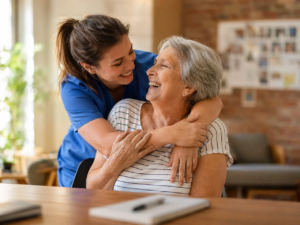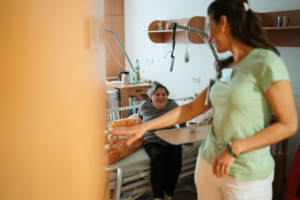
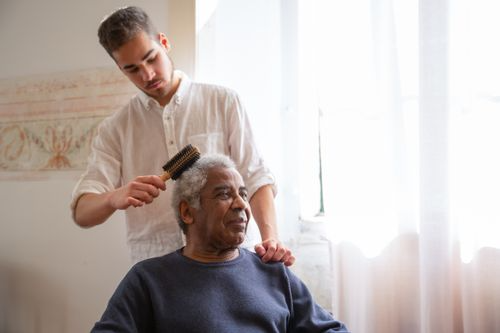
Growing older brings many changes. Some changes are expected. Others are harder to see. One of the biggest challenges facing older adults today is loneliness. Many seniors live alone after the loss of a spouse, the departure of children, or changes in mobility. While living independently can provide comfort and familiarity, it can also create emotional challenges that affect overall health.
Research from the U.S. Centers for Disease Control and Prevention shows that social isolation and loneliness are linked to higher risks of serious mental and physical health concerns. Older adults who spend long periods alone often experience a gradual decline in both emotional and physical well-being.
Families often focus on visible concerns such as mobility issues, medication management, or meal preparation. However, mental health deserves equal attention. A senior who feels isolated may slowly withdraw from daily activities. They may lose motivation. They may stop engaging with family, friends, and hobbies that once brought joy.
This is where live-in care can make a meaningful difference. Beyond helping with daily tasks, live-in caregivers provide consistency, social interaction, emotional support, and structure throughout the day. These elements play an important role in maintaining mental well-being.
For many families, live-in care for improved mental health becomes one of the most valuable investments they can make in a loved one’s quality of life.
The Growing Mental Health Challenge Among Seniors
Mental health concerns among older adults are more common than many people realize.
Depression often goes undiagnosed in seniors because symptoms may appear differently than they do in younger adults. Instead of sadness, seniors may experience fatigue, loss of appetite, poor sleep, irritability, or a lack of interest in activities.
Loneliness can also affect memory and thinking abilities. Studies have shown that socially isolated older adults face a greater risk of cognitive decline over time.
Living alone can intensify these challenges.
When a senior spends most days without meaningful interaction, feelings of isolation can become deeply rooted. Family members may not notice the changes immediately because they often happen gradually.
This makes early support extremely important.
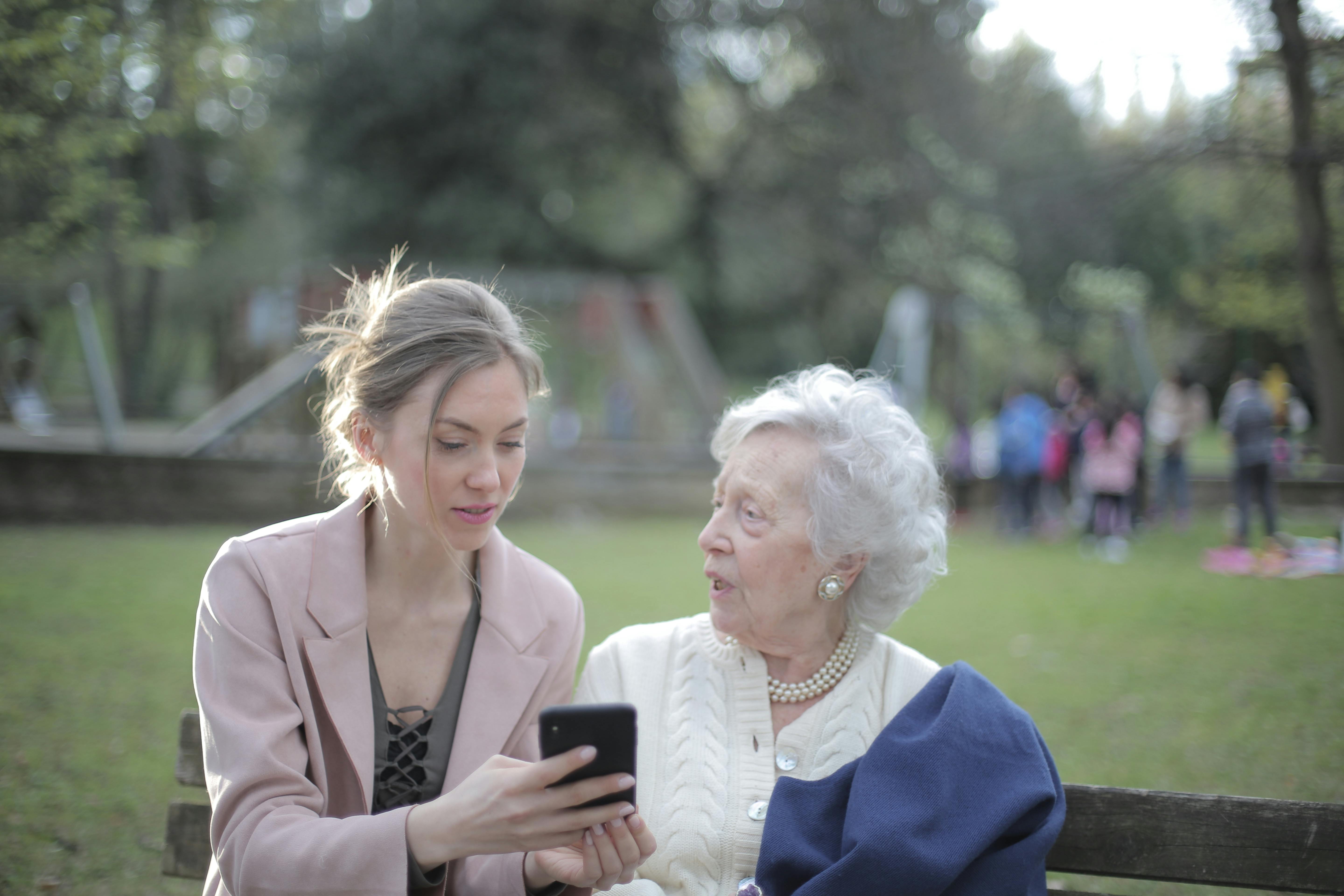
Understanding the Connection Between Loneliness and Health
Loneliness is more than an emotional issue.
It can affect the entire body.
Older adults who feel isolated often experience:
- Increased stress levels
- Poor sleep quality
- Reduced physical activity
- Lower appetite
- Higher rates of depression
- Increased anxiety
- Memory concerns
- Reduced motivation
These issues can create a cycle that becomes difficult to break.
A senior who feels lonely may stop participating in activities. Reduced activity can lead to physical decline. Physical decline may increase isolation even further.
Without intervention, the situation can continue to worsen.
Live-in care services help interrupt this cycle by bringing consistent human interaction into the senior’s daily life.
Supporting Emotional Well-Being Through Live-In Care
Living alone can increase feelings of loneliness and isolation. Live-in care offers consistent companionship, daily assistance, and personalized support to help seniors enjoy a happier, healthier life at home.
- Meaningful companionship
- 24/7 personalized care
- Enhanced independence and well-being
How Live-In Care Supports Emotional Well-Being
Many people assume that live-in care focuses only on physical assistance.
In reality, emotional support often becomes one of the most valuable benefits.
A caregiver becomes a steady presence in the home. They provide daily interaction that helps reduce feelings of isolation. Seniors have someone available to talk with throughout the day. They have someone who notices changes in mood, behavior, and daily habits.
This regular human connection can improve emotional stability and create a greater sense of security.
For seniors who live alone, knowing that someone is nearby can reduce feelings of fear and uncertainty.
Creating Structure and Routine
Mental health often improves when people maintain a consistent routine.
Unfortunately, seniors who live alone may struggle to maintain structure. Days can begin to blend. Meals may become irregular. Sleep schedules may shift. Physical activity may decrease.
Live-in care helps establish healthy daily routines.
Caregivers assist with:
- Morning routines
- Meal schedules
- Medication reminders
- Physical activity
- Household tasks
- Social engagement
- Evening routines
A structured day provides purpose and predictability.
This consistency can help reduce stress and support emotional balance.
Encouraging Meaningful Activities
Many seniors gradually stop participating in activities they once enjoyed.
They may lose confidence. They may feel tired. They may simply lack encouragement.
A caregiver can help reintroduce enjoyable activities into daily life.
Examples include:
- Reading
- Gardening
- Walking
- Puzzles
- Arts and crafts
- Listening to music
- Looking through family photos
- Attending community events
These activities stimulate the mind and help maintain a sense of purpose.
Purpose plays a significant role in mental well-being.
When seniors remain engaged in activities they enjoy, they often experience greater satisfaction and improved mood.

Supporting Cognitive Health
Mental stimulation is important for maintaining brain health.
When seniors spend long periods alone, opportunities for mental engagement may decrease. This can contribute to cognitive decline over time.
Live-in care for improved mental health often includes activities that encourage conversation, memory recall, problem-solving, and decision-making.
Caregivers may encourage discussions about family history, current events, hobbies, or favorite memories.
Regular mental engagement helps keep the mind active and supports cognitive function.
While no caregiver can prevent aging-related changes entirely, ongoing stimulation may help slow certain forms of decline.
Reducing Anxiety and Fear
Many seniors living alone worry about emergencies.
They may fear:
- Falling
- Becoming ill
- Forgetting medications
- Being unable to reach help
- Being alone during a crisis
These concerns can create ongoing anxiety.
Some seniors become reluctant to leave the house. Others avoid activities because they fear injury.
Live-in caregivers provide reassurance.
Knowing someone is present can significantly reduce anxiety. Seniors often feel more comfortable participating in daily activities when support is available.
For individuals with greater needs, 24-hour home care offers additional supervision and peace of mind.
Improving Sleep Quality
Mental health and sleep are closely connected.
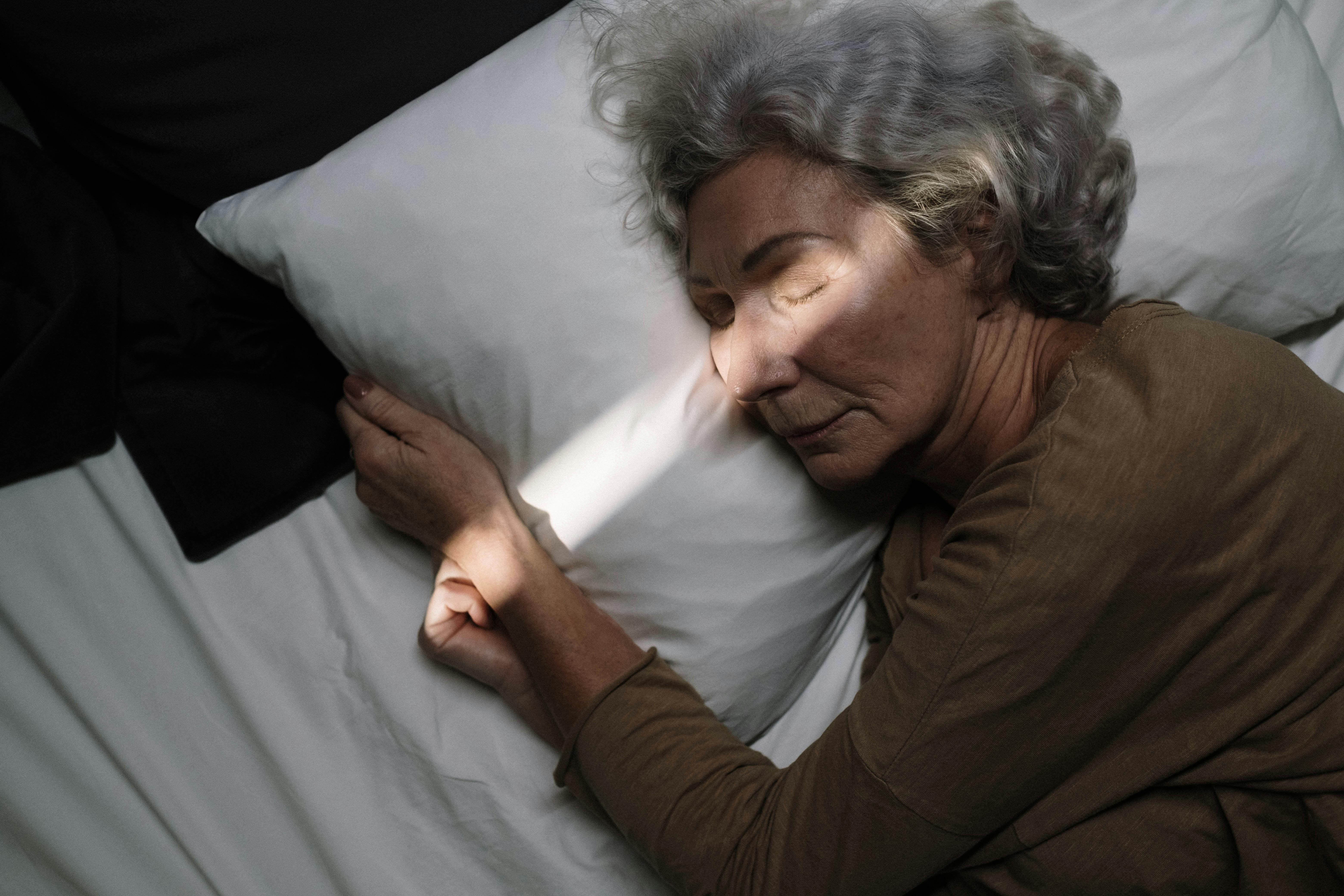
Loneliness, anxiety, and depression can contribute to poor sleep. In turn, poor sleep can worsen mood and cognitive function.
Many seniors living alone struggle with nighttime worries. They may feel anxious about emergencies or become fearful after dark.
Live-in care helps create a sense of security.
A structured daily routine also supports healthier sleep habits. Seniors often feel more relaxed knowing help is available if needed.
Better sleep contributes to better emotional health and overall wellness.
Supporting Family Relationships
Family members often experience significant stress when a loved one lives alone.
Adult children may worry constantly about safety, loneliness, and health concerns. They may feel guilty for not being available every day.
This stress can affect family relationships.
Live-in care services help reduce these concerns.
When professional support is present, family visits can focus on spending quality time together instead of managing every aspect of care.
This often improves relationships and reduces tension for everyone involved.
Helping Seniors Maintain Independence
Many seniors resist care because they fear losing independence.
In reality, live-in care often helps preserve independence.
Without support, a senior may eventually require a move into a facility. With assistance at home, they can often remain in familiar surroundings for much longer.
Caregivers provide support while encouraging seniors to participate in daily activities whenever possible.
This balance helps maintain confidence and self-esteem.
Affordable live-in care can provide the assistance needed while allowing seniors to continue living in the place they know and love.
Preventing Mental Health Decline Before It Becomes Severe
One of the biggest benefits of live-in care for improved mental health is prevention.
Families often seek help after depression, anxiety, or severe isolation has already developed.
Early intervention creates better outcomes.
Caregivers can identify subtle changes such as:
- Withdrawal from activities
- Changes in appetite
- Mood shifts
- Increased forgetfulness
- Sleep disturbances
- Reduced motivation
Addressing these concerns early may help prevent more serious challenges later.
Why Live-In Care Is a Valuable Long-Term Solution
Mental health support is not a one-time need.
It requires consistency.
Live-in care provides ongoing assistance that adapts as a senior’s needs change. Some seniors require only basic support. Others may eventually need more extensive long-term care.
The flexibility of live-in care services allows families to adjust support without disrupting the senior’s environment.
Many families are surprised to learn that affordable senior care options exist. Affordable live-in care can often provide substantial value while helping seniors maintain emotional well-being and independence.
Final Thoughts
Mental health is a vital part of healthy aging. Unfortunately, loneliness, depression, anxiety, and cognitive decline often affect seniors who live alone.
These challenges rarely happen overnight. They develop gradually through isolation, reduced activity, and lack of daily interaction.
Live-in care for improved mental health addresses these concerns by providing structure, emotional support, meaningful engagement, and ongoing assistance.
For many seniors, the presence of a caregiver brings comfort, confidence, and a renewed sense of purpose. For families, it provides peace of mind and reassurance that their loved one is receiving consistent support.
When emotional well-being improves, quality of life often improves as well. That is why live-in care continues to play such an important role in helping seniors age safely, comfortably, and with dignity in their own homes.
Is Your Loved One Feeling Isolated at Home?
Loneliness can have a significant impact on a senior's mental and emotional well-being. Live-in care provides compassionate companionship and personalized support to help older adults stay engaged, safe, and independent.
- 24/7 companionship
- Personalized in-home care
- Greater peace of mind
Consult Live Easy Home Care For Live-In Care For Improved Mental Health in NJ
At Live Easy Home Care, we understand the impact loneliness and isolation can have on older adults. Our live-in care services in Alpine, Demarest, Franklin Lakes, Fort Lee, Mahwah, Ridgewood, etc., provide consistent support that helps seniors stay engaged, active, and emotionally healthy while remaining in the comfort of home. From affordable live-in care to 24-hour home care solutions, our team is committed to helping families find the right level of support.
Contact Live Easy Home Care today to learn how we can help your loved one enjoy greater comfort, confidence, and peace of mind.