Daily routines play a critical role in the well-being of seniors. The predictability and structure provided by consistent schedules can significantly impact physical health, emotional stability, and overall satisfaction. Improving seniors’ quality of life is often less about major interventions and more about cultivating small, meaningful routines that create comfort and stability.
This blog explores how simple, consistent practices enhance seniors’ lives and how professional caregivers can help implement them effectively.
The Power of Predictability
For seniors, knowing what to expect each day can reduce stress and anxiety. Predictable routines provide a sense of control, stability, and comfort, especially for those living with cognitive challenges or memory loss.
Caregivers play a crucial role in improving seniors’ quality of life by establishing schedules for meals, exercise, hygiene, and social activities. This structured approach helps seniors feel secure and supported in their daily environment.
Encouraging Physical Activity
Even small amounts of daily movement can make a significant difference in mobility, balance, and overall health. Caregivers can integrate short walks, stretching exercises, or light activity into seniors’ routines, promoting better physical function.
Consistent physical activity reduces the risk of falls, enhances energy, and supports mental well-being, contributing to overall improvements in a senior’s quality of life.
Promoting Mental Engagement
Cognitive stimulation is another key component of daily routines. Activities like reading, puzzles, or simple conversations keep the mind active and engaged.
Caregivers incorporate these mental exercises into everyday schedules, helping seniors maintain memory, focus, and emotional health. This structured engagement supports brain health and fosters a sense of accomplishment and purpose.
Supporting Nutrition and Hydration
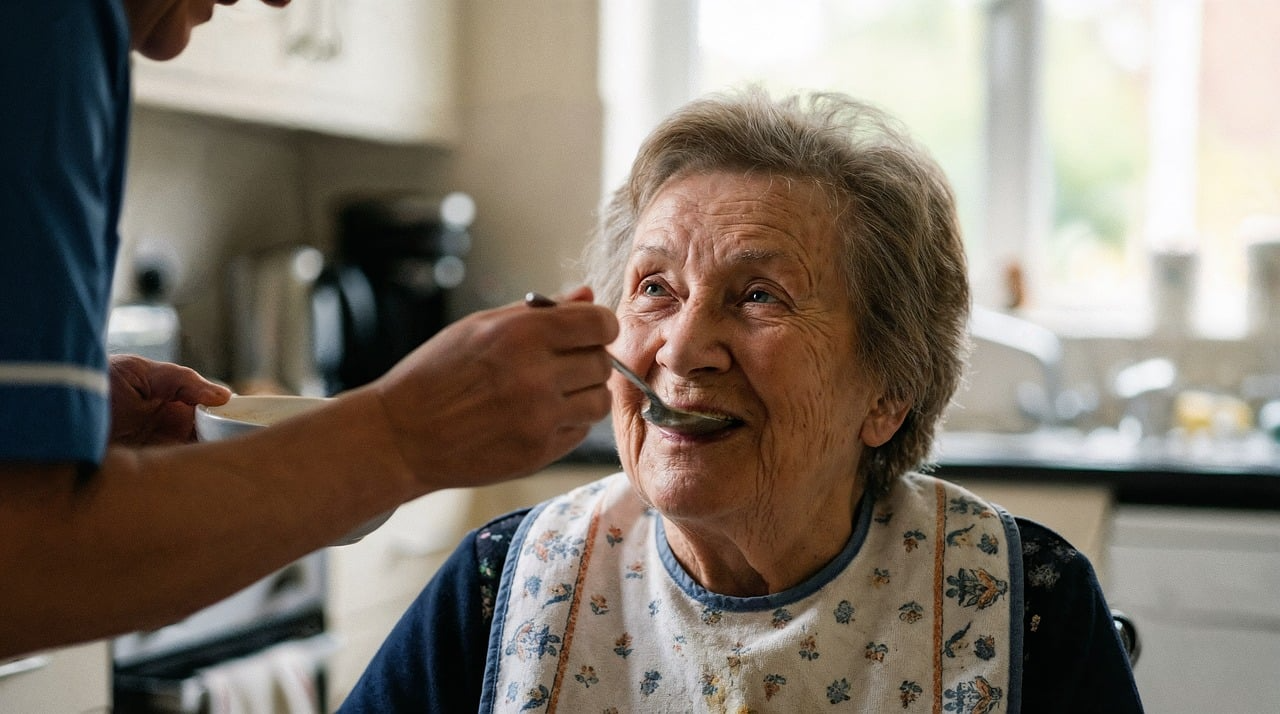
Regular meals and hydration are vital for maintaining health, but seniors living alone may forget to eat or drink adequately. Caregivers ensure that meal times are consistent and nutritious, tailoring food choices to dietary needs and preferences.
By prioritizing nutrition and hydration, caregivers directly contribute to improving seniors’ quality of life, supporting energy levels, immunity, and overall vitality.
Emotional and Social Stability
Daily routines also include social and emotional activities, such as shared meals, conversations, or hobbies. Caregivers provide companionship and facilitate interactions, helping seniors feel connected and valued.
These small, predictable moments of engagement reduce feelings of isolation and loneliness, improving mood and emotional resilience. Emotional stability is just as important as physical well-being in maintaining quality of life.
Long-Term Benefits of Consistent Routines
The advantages of daily routines compound over time. Seniors benefit from:
- Increased independence and confidence
- Reduced anxiety and stress
- Enhanced cognitive and physical health
- Greater emotional stability and happiness
By maintaining consistency in small daily activities, caregivers help seniors live more fulfilling, healthier, and comfortable lives.

At Live Easy Home Care, we specialize in senior care services, providing structured daily routines designed to enhance safety, comfort, and independence. Our experienced caregivers focus on companionship, activity planning, and personalized in-home health care, ensuring every day is meaningful. By supporting consistency, emotional engagement, and physical well-being, we help families in Northern New Jersey maintain their loved one’s health, happiness, and overall quality of life.