When families think about professional caregiving, they often focus on visible tasks: meal preparation, medication reminders, or assistance with bathing and mobility. While these duties are essential, the significance of caregivers goes far beyond what meets the eye. Caregivers provide constant vigilance, emotional support, and intuitive care that help seniors live safely, comfortably, and with dignity.
This blog highlights the invisible aspects of caregiving, helping families better appreciate the true value professional caregivers bring to a home environment.
Anticipating Needs Before They Arise
One of the most overlooked aspects of caregiving is the ability to anticipate needs. Experienced caregivers observe subtle changes in behavior, mood, or health, often addressing issues before they become problems.
From noticing early signs of fatigue to adjusting daily routines to match energy levels, this proactive approach ensures seniors remain safe, comfortable, and supported at all times. The significance of caregivers lies in this constant attentiveness, which prevents crises and fosters stability in the home.
Emotional Intelligence and Companionship
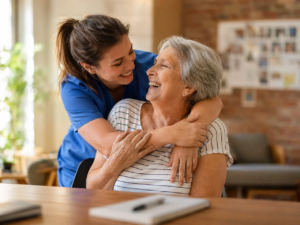
Caregivers provide more than physical assistance; they offer emotional presence. Many seniors face feelings of loneliness, anxiety, or frustration, especially when coping with age-related challenges.
Through empathy, patience, and compassionate communication, caregivers offer reassurance, companionship, and encouragement. This emotional support strengthens confidence, improves mental well-being, and enhances quality of life. Families often underestimate how crucial this invisible work is in maintaining a senior’s happiness and resilience.
Maintaining a Safe and Comfortable Environment
Beyond direct care, caregivers create a safe, organized, and accessible environment for seniors. This includes adjusting living spaces, managing potential hazards, and implementing routines that reduce the risk of accidents.
These efforts are subtle but essential, allowing seniors to live independently and families to have peace of mind. The significance of caregivers is seen in their attention to detail and dedication to creating a supportive home environment.
Coordination and Communication
Caregivers serve as vital links between seniors, family members, and healthcare professionals. They monitor medications, track health changes, and communicate updates effectively.
This coordination ensures that everyone involved is informed, preventing misunderstandings and improving the overall quality of care. Families may not always notice this behind-the-scenes work, but it is integral to maintaining consistent and safe care.
Advocacy and Personalized Care
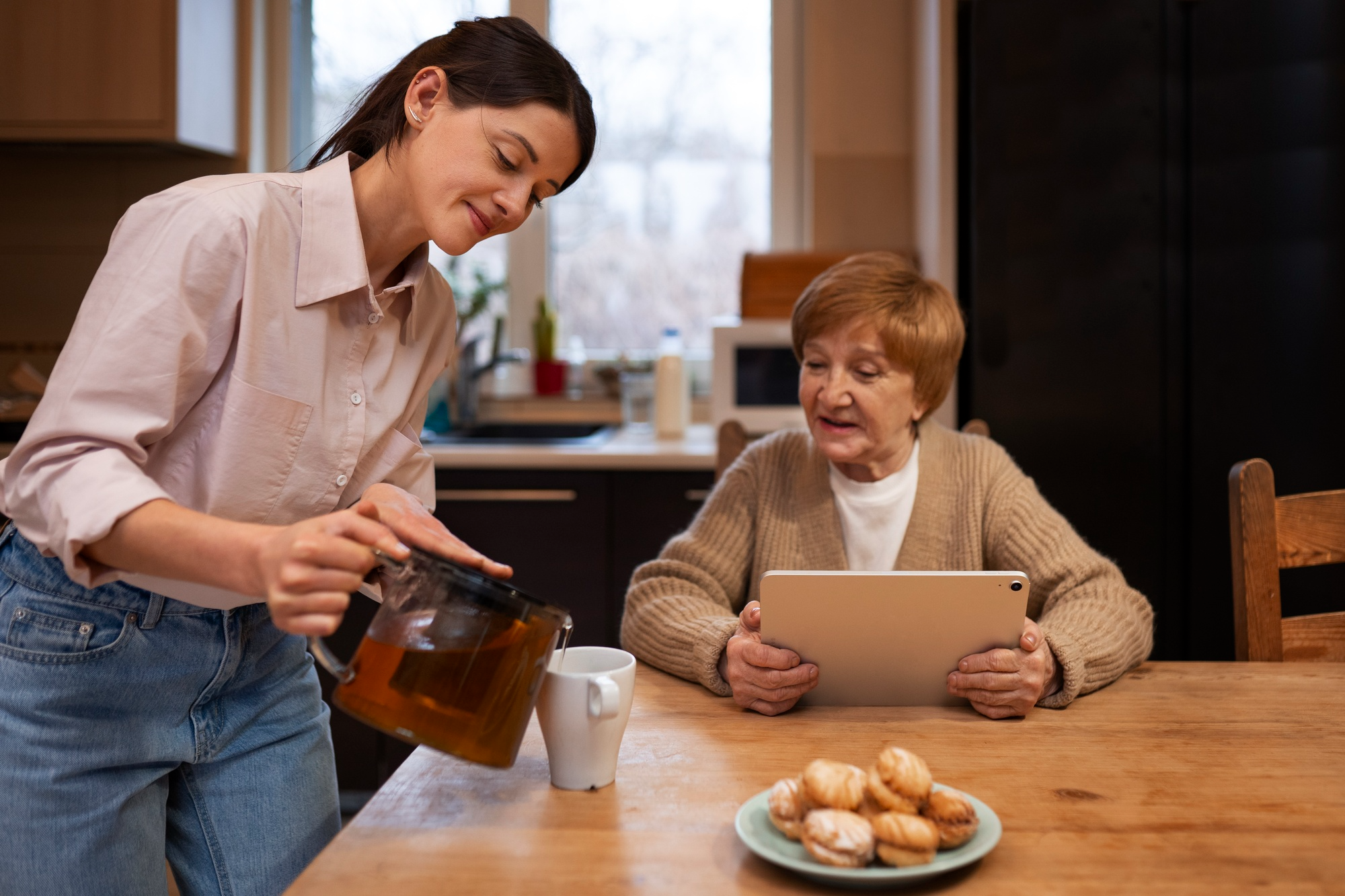
Professional caregivers advocate for seniors’ needs, preferences, and comfort. They personalize care plans, ensuring that routines, meals, and activities align with the senior’s lifestyle and desires.
This advocacy respects autonomy and dignity, reinforcing seniors’ sense of control over their lives. By focusing on individuality, caregivers demonstrate the deep, invisible impact of their work every day.

At Live Easy Home Care, we understand the significance of caregivers in delivering both practical and emotional support. Our experienced caregivers provide 24-hour home care in Bergen County and Morris County, NJ. With our focus on affordable senior care, families gain confidence knowing their loved ones receive compassionate, consistent, and personalized support in the comfort and safety of home.
Reach out to us now.