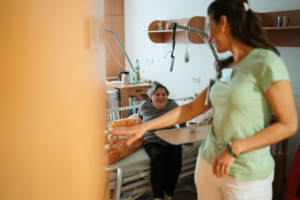

When your aging parent or loved one starts needing more support than a few hours of help per day, the choices become more complex. Many families in Bergen County are caught between two options that sound similar on the surface but are actually quite different: 24-hour home care and live-in care.
At Live Easy Home Care, we frequently speak with families who ask, “Aren’t they the same thing?” It’s an understandable question. Both models involve care around the clock, but how that care is delivered and what it means for your family’s daily life varies quite a bit.
This guide will walk you through what sets these two care models apart, how to choose between them, and what families should consider before making a decision. Along the way, we’ll share everyday scenarios, practical insights, and examples from Bergen County families who’ve been in your shoes.
Understanding the Basics: What Each Care Model Looks Like
Live-in care means that one caregiver stays in the client’s home for extended shifts, usually 24 hours at a time or for a few days in a row. The caregiver sleeps overnight, gets scheduled breaks, and is expected to rest during the client’s sleep hours.
On the other hand, 24-hour home care involves multiple caregivers working in shifts to provide uninterrupted, always-awake support. There is no overnight sleeping. Instead, caregivers rotate, often in 8 or 12-hour shifts, so someone is always alert, ready, and on duty.
While both offer safety and full-day assistance, the logistics and lifestyle impact can feel very different.
Everyday Scenario: What Care Actually Looks Like
Let’s take a common situation. Mary, 82, lives alone in her Bergen County home. After a recent fall, her daughter, Sharon, realized she needed constant supervision. Mary wakes up two to three times per night, sometimes forgetting where she is. Sharon works full-time and has two young kids.
With live-in care in Bergen County, a caregiver would stay in the home around the clock but would need 8 hours of uninterrupted rest. This might be okay if Mary usually sleeps through the night.
However, in this case, Sharon worried about her mom’s overnight safety. Instead, she chose 24-hour home care in Bergen County, which ensured someone would be fully awake and alert if Mary wandered during the night.
Why These Differences Matter
While both care options provide peace of mind, they come with unique considerations. Live-in caregivers provide a steady presence, and clients often grow deeply comfortable with one familiar face. On the other hand, 24-hour care ensures continuous attention but involves multiple caregivers rotating through the home.
Families often find that emergency home care in Bergen County starts the conversation. A sudden illness, hospital discharge, or overnight incident pushes them to explore care quickly, and in these moments, knowing the difference between these two models becomes essential.
How Staffing and Schedules Work in Each Care Model
When families in Bergen County consider full-time care at home, one of the most practical questions they ask is: “Who will be here, and when?” Understanding how each model is staffed can help you picture what daily life will look like for your loved one.
Live-In Care: Fewer People, More Familiarity
In live-in care, typically one caregiver is scheduled per 24-hour period, staying for several consecutive days. During their stay, they sleep at night (usually 8 hours) and take breaks during the day as required by labor guidelines.
This setup means your loved one often sees the same face every day, building a close bond that feels more like family. For seniors who value routine and personal connection, this can be a wonderful fit. For example, we once placed a caregiver with a client in Tea-neck who had mild cognitive decline and needed help staying on schedule. After just one week of live-in care, he was calling the caregiver his “morning teammate”. This was a clear sign of growing comfort and trust.
Live-in care also reduces foot traffic in and out of the home. Some families prefer this quieter approach, especially in homes where too many visitors can feel overwhelming.
24-Hour Home Care: Constant Alertness, Fully Awake Shifts
With 24-hour home care in Bergen County, two to three caregivers rotate in shifts, often two 12-hour or three 8-hour blocks. Unlike live-in caregivers, these professionals do not sleep on-site. They remain awake and alert at all times, ready to help immediately with anything from bathroom trips to nighttime confusion.
This structure works well for seniors who need consistent monitoring or have conditions like advanced dementia, Parkinson’s, or high fall risk. For instance, one Fort Lee family we support chose 24-hour care for their father, who often woke up disoriented and tried to go outside. The caregiver on the night shift was always nearby and calmly redirected him, avoiding accidents and giving the family peace of mind.
Cost Considerations: What Families Should Expect
Let’s address one of the biggest concerns. Many families assume 24-hour home care is always more expensive than live-in care, and often it is. That’s because 24-hour care involves more staff hours and higher caregiver coverage.
However, cost is also linked to care needs. If your loved one sleeps through the night and only needs help in the mornings, evenings, and during meals, then live-in care may be more practical and budget-friendly. If nighttime supervision is critical, then the higher investment in 24-hour care may prevent costly hospitalizations later.
At Live Easy Home Care, we help families compare real-life needs with pricing models. This is especially important for those navigating emergency home care in Bergen County, where decisions need to be made quickly after a health incident or discharge.
Contact us today for a free consultation and clear cost breakdown to help you make the right choice.
Lifestyle Compatibility: Thinking Beyond the Schedule
Beyond staffing and cost, you also need to think about what kind of home life your loved one enjoys. Do they thrive with a quiet, steady routine? Or do they need help that matches a complex medical condition?
- Live-in care in Bergen County works well for seniors who benefit from consistency, enjoy personal companionship, and have fewer overnight needs.
- 24-hour home care is often the better choice when supervision must be continuous and sleep disturbances are common.
We’ve seen both models succeed depending on the home environment. For example, one Ridgewood client with early-stage dementia did well with live-in care. The familiarity helped reduce her anxiety. In contrast, a family in Hackensack chose 24-hour home care in Bergen County, for their mother recovering from surgery. Her pain spiked at night, and having an awake caregiver made all the difference.
How to Choose: Matching the Right Care to the Right Needs
Choosing between live-in care in Bergen County and 24-hour home care is not just about scheduling. It’s about dignity, comfort, and safety for your loved one.
Here are a few questions to help guide your decision:
- Does your loved one wake frequently during the night?
- Are they at risk of wandering, falling, or forgetting medications?
- Would they benefit from seeing the same caregiver every day?
- Is there space in the home for a caregiver to sleep comfortably?
- Is this care situation temporary (like after surgery) or long-term?
If you answered yes to the first few questions, 24-hour home care in Bergen County may provide the consistent, alert supervision needed. If your loved one’s needs are lighter and they sleep through the night, live-in care may be more compatible and less costly.
In some situations, families begin with emergency home care in Bergen County following a hospital discharge or medical scare. Once things stabilize, they shift to a longer-term model that better fits the person’s evolving needs. This flexibility is something Live Easy Home Care supports from the beginning, offering both immediate and long-range care planning.
Real-Life Example: Starting with Emergency, Settling into Routine
Consider Joe and Linda from Paramus. Joe, 78, had a mild stroke. His wife Linda was overwhelmed. She called Live Easy in a panic, unsure how she could manage everything once Joe was discharged. We started with emergency home care the day he arrived home from the hospital. Two caregivers rotated in 12-hour shifts so Linda could rest and manage household needs.
Within two weeks, Joe began regaining strength. With doctor clearance, they shifted to live-in care, allowing Joe to form a strong bond with one caregiver who now helps him with physical therapy, meals, and personal care.
That balance of short-term intensity and long-term connection made all the difference in his recovery and gave Linda space to breathe again.
Final Thoughts: You’re Not Alone in This
There is no one-size-fits-all answer to choosing between 24-hour home care and live-in care in Bergen County. The right solution will always depend on your loved one’s health, habits, and home life.
You may be feeling unsure or overwhelmed, especially if your situation developed quickly. The good news is, with a local care partner like Live Easy Home Care, you don’t have to figure it out on your own.
We take the time to learn about your family, explain your options clearly, and match you with caregivers who bring not just skills but warmth, reliability, and dedication.
Let’s Plan the Right Care Together
If you’re exploring affordable, reliable in-home care in Bergen County, we invite you to talk with us today. Whether it’s emergency home care, 24-hour support, or a long-term live-in care plan, Live Easy Home Care is ready to help your loved one live safely and comfortably at home!