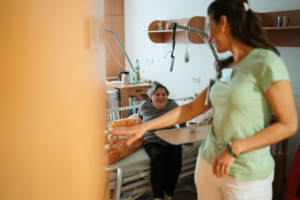
When aging loved ones begin to need consistent help throughout the day and night, families often face difficult decisions about care. Nursing homes or assisted living facilities may offer oversight, but they also mean leaving behind the comfort of home and the freedom of familiar routines. For many families in Bergen County, 24-hour home care provides a better solution, one that offers constant supervision, professional assistance, and the peace of mind that comes from knowing someone is always there.
This model of care is built around one goal: ensuring that seniors receive continuous support without sacrificing their independence. With trained caregivers rotating shifts, seniors never have to be alone, even overnight, when risks such as falls or medical emergencies are most likely to occur.
Unlike part-time or hourly care, 24-hour home care guarantees immediate attention to every need, from medication management and mobility assistance to companionship and safety monitoring. Families who choose this option often describe it as a life-changing decision, one that restores balance, confidence, and stability for everyone involved.

What 24-Hour Care Really Means
Many families confuse 24-hour care with live-in care, but there’s an important difference. In 24-hour in-home care, caregivers typically work in shifts to ensure constant coverage. There are no breaks or periods of downtime where the senior is unattended. Live-in care, by contrast, usually involves a single caregiver who resides in the home and requires a few hours of rest each day.
Both models serve valuable purposes, but 24-hour home care is ideal for seniors with complex medical needs, mobility limitations, or cognitive conditions such as Alzheimer’s or dementia. It offers an immediate response to health concerns and ensures that daily routines remain consistent.
For example, a caregiver might assist with personal care in the morning, prepare meals during the day, and monitor safety overnight. These small but vital acts of care protect seniors’ well-being and preserve their dignity.
Safety and Supervision Around the Clock
One of the strongest reasons families turn to 24-hour home care is safety. According to the Centers for Disease Control and Prevention (CDC), one out of four seniors experiences a fall each year, and over 60% of those falls occur at home. Even simple movements, like getting out of bed at night, can become risky without help.
With a trained caregiver on-site 24/7, these risks are minimized. Caregivers assist with mobility, prevent wandering for dementia patients, and ensure safe movement throughout the home. They also handle emergency response if a medical incident occurs, providing immediate action before family members or paramedics arrive.
For seniors recovering from hospital stays or managing chronic illness, continuous monitoring can prevent readmissions and complications. Caregivers also track vital signs, medication schedules, and dietary needs, giving families peace of mind that no detail goes unnoticed.
Supporting Independence with Professional Care
One of the greatest misconceptions about 24-hour care is that it limits independence. In reality, it does the opposite. With the right support system, seniors can remain active, engaged, and self-reliant in their own homes.
Through home care programs, seniors are encouraged to participate in daily routines and activities they enjoy. Caregivers are trained to provide just enough help, offering stability while promoting autonomy. For instance, they might assist with cooking but allow the senior to prepare ingredients, or provide balance support while walking without taking over completely.
This balance is key to maintaining confidence and dignity. It also prevents the emotional decline that often comes with relocation to a care facility.

Seniors receiving senior care services often report feeling more in control of their lives compared to those in institutional settings. Their homes remain their sanctuary, a familiar place filled with memories, comfort, and stability.
Addressing Cognitive and Medical Needs
For families managing Alzheimer’s, Parkinson’s, or other age-related conditions, home care provides structured support that adapts to each stage of illness. Memory loss, confusion, or mobility challenges require consistent oversight, something that hourly care cannot always guarantee.
In-home memory care programs often integrate 24-hour coverage, ensuring that caregivers remain attentive to both emotional and physical needs. They maintain daily routines that help minimize confusion and provide calming environments that reduce anxiety and agitation.
Similarly, in-home health care teams coordinate with physicians and families to manage chronic conditions like diabetes, arthritis, or heart disease. Regular observation and documentation mean any changes in health are caught early, preventing complications and hospitalizations.
The Emotional Impact of 24-Hour Care
Beyond physical health, constant care at home offers deep emotional benefits. Many seniors experience anxiety or loneliness when they feel unsafe or isolated. Having a consistent caregiver presence restores a sense of comfort and companionship.
Families notice improved mood, appetite, and sleep in their loved ones once 24-hour in-home care begins. Knowing that help is always available reduces stress for seniors and relieves emotional pressure for families who may have struggled to meet every need on their own.
It also fosters trust and meaningful relationships. Over time, caregivers become part of the family — not just providers but companions who understand routines, preferences, and personalities.
This emotional bond enhances care outcomes and helps seniors feel genuinely valued. As a result, their overall well-being improves, reinforcing the importance of consistent, compassionate care giving.
The Financial Perspective: Cost-Effective Long-Term Stability
Families often assume that 24-hour home care is unaffordable, but when compared to facility costs, it’s often the more practical choice. Nursing homes in New Jersey can exceed $10,000 per month, not including specialized services or private accommodations.
Home care, on the other hand, provides flexible pricing and options for affordable senior care. Families can choose between live-in or shift-based care depending on needs and budget.
Those with long-term care insurance can often use their coverage to offset expenses. This allows for sustainable care without the emotional cost of relocation. Some families also combine part-time care with periodic 24-hour coverage during recovery or medical transitions, creating a balanced and affordable model that meets changing needs.
When managed strategically, in-home care provides long-term consistency and cost efficiency, especially compared to frequent hospitalizations or unplanned facility stays.
A Community-Centered Model of Care
Home care services reflect more than just healthcare; they represent community connection. Local caregivers understand the neighborhoods, hospitals, and resources families rely on. This familiarity makes coordination smoother and helps families feel supported on every level.
Whether a senior care in Franklin Lakes, Ridgewood, Mahwah, or Oradell, families can access professional caregivers through licensed agencies that uphold the highest standards of safety and ethics. These agencies, like Live Easy Home Care, ensure caregivers are vetted, trained, and supervised to maintain reliability and compassion at all times.
How 24-Hour Care Differs from Other Home Care Models
There are multiple forms of senior care, but none offer the same level of constant support as 24-hour care.
- Hourly or part-time care works well for seniors who only need assistance during specific times of the day, such as morning routines or evening medication.
- Live-in care involves one or two caregivers alternating shifts and living in the home, but rest breaks are built into the schedule.
- 24-Hour Home Care, however, ensures no downtime. It’s a fully staffed model where caregivers work in shifts to cover every hour of the day, including nights, weekends, and holidays.
This structure ensures someone is always awake, alert, and ready to respond to emergencies. Families dealing with advanced dementia, complex health conditions, or high fall risks often find this model to be the safest and most effective long-term option.
Peace of Mind That Lasts
Ultimately, the greatest benefit of 24-hour home care is peace of mind. Families no longer have to worry about leaving their loved ones alone. Seniors gain comfort knowing help is always nearby. And caregivers, trained in empathy and professionalism, create a supportive environment that feels more like family than service.
The emotional security this brings is invaluable. It allows both seniors and their families to move forward each day with confidence, knowing that care, safety, and compassion are never compromised.
Complete, Compassionate Support with Live Easy Home Care
Live Easy Home Care stands at the forefront of professional, compassionate in-home support for seniors across Bergen County. From 24-hour home care and live-in Care to in-home memory care and veterans’ home care in Bergen County, we ensure that every client receives dependable, personalized attention.
By combining long-term stability with emotional warmth, Live Easy Home Care helps seniors maintain their independence while ensuring their safety and comfort. Families can rest assured that their loved ones are in capable, caring hands, every hour of the day and night.
If your family is searching for a trusted partner in elderly care, contact us today to learn how our 24-hour and live-in home care services can bring peace of mind and lasting stability to your home.